

Operation Process and Working Principle of Film-Coated Sand Pneumatic Conveying System
Film-coated sand pneumatic conveying systems represent a sophisticated solution for the efficient and controlled transport of film-coated sand, a vital material in the foundry and casting sectors. These systems leverage air as the primary medium to move the sand from storage or processing areas to the next stage of production, offering significant advantages over traditional bulk handling methods. The technology is increasingly adopted in modern foundries due to its ability to handle abrasive materials while minimizing wear on equipment and reducing environmental contamination from dust.
Core Components and Their Functions
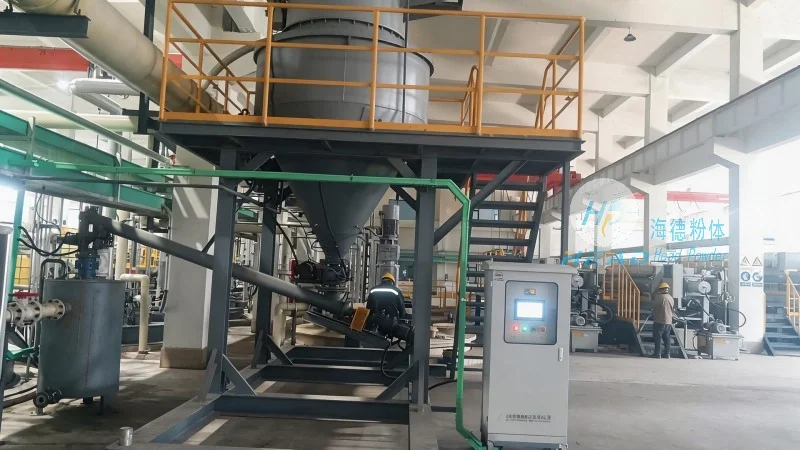
The film-coated sand pneumatic conveying system comprises several key components that work in concert to ensure seamless operation. These include a hopper or storage bin for the sand, an air compressor or blower to generate the necessary air pressure, a conveying pipeline (often equipped with bends and elbows to navigate changes in direction), a control valve system to regulate air flow and pressure, and a discharge point where the sand is deposited. Each component is critical to maintaining the system's efficiency and reliability. The hopper ensures a consistent feed of sand, while the air compressor provides the force needed to move the material through the pipeline. The control valves allow for precise adjustment of air pressure and flow, optimizing the system's performance based on the quantity and type of sand being transported. The discharge point is designed to safely release the sand into the target location, preventing any backflow or spillage.
Step-by-Step Operation Process
The operation of a film-coated sand pneumatic conveying system follows a systematic, automated process. Initially, the film-coated sand is fed into the hopper from the storage area. The control system then activates the air compressor, which draws ambient air into the system and compresses it to a predetermined pressure. As the air pressure builds, it is introduced into the conveying line, creating a low-pressure zone that draws the sand particles into the air stream. The sand particles are then suspended and transported by the air flow, navigating bends and changes in direction as required by the layout of the pipeline. At the discharge point, the air pressure is reduced, allowing the sand to settle and be deposited in the target location, such as a molding machine or storage bin. The system then returns to standby mode until the next batch of sand is fed into the hopper, completing the cycle.
Working Principle: The Physics Behind the System
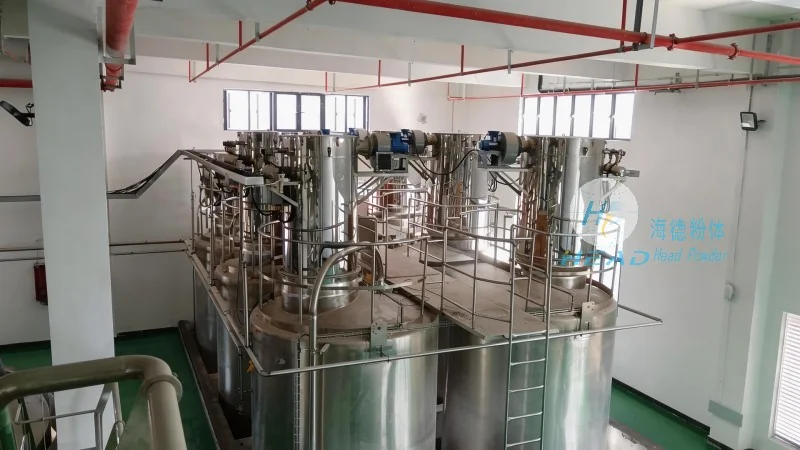
The working principle of the film-coated sand pneumatic conveying system is rooted in the physics of pneumatic transport. When air is compressed and introduced into the conveying line, it creates a velocity that is sufficient to overcome the gravitational force acting on the sand particles and any frictional resistance within the pipeline. The system typically operates under positive pressure, meaning the air pressure inside the pipeline is higher than the ambient air pressure, which helps maintain a consistent flow and prevents dust leakage. The sand particles are carried as a dilute or dense phase flow, depending on the air velocity and the quantity of sand being transported. In dilute phase transport, the sand particles are suspended individually in the air stream, while in dense phase transport, the particles are carried in a slurry-like mixture with higher sand concentration. The choice of transport phase depends on the system's design and the specific requirements of the foundry operation.
Benefits and Advantages for Foundry Operations
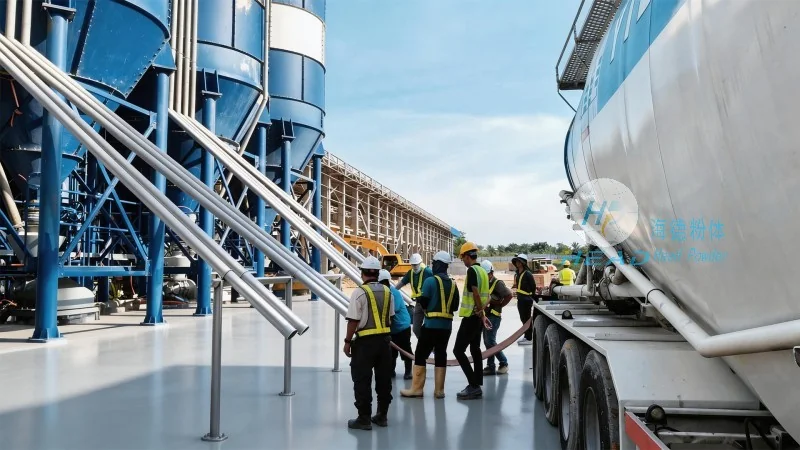
Implementing a film-coated sand pneumatic conveying system offers numerous benefits for foundry businesses. Firstly, it significantly reduces the risk of dust contamination and environmental pollution, as the system is enclosed and the sand is handled in a controlled environment. This not only improves workplace safety but also complies with environmental regulations, reducing the need for dust control measures such as filters or ventilation systems. Secondly, the system provides high efficiency in material transport, capable of moving large quantities of sand over long distances with minimal energy consumption. This efficiency translates to lower operational costs and increased productivity. Additionally, the system automates the sand handling process, reducing the need for manual labor and minimizing the risk of human error or accidents associated with handling heavy or abrasive materials. Finally, the system enhances the quality of the casting process by ensuring consistent and uniform sand distribution, which leads to better mold quality and improved casting results.
Applications in Modern Foundries
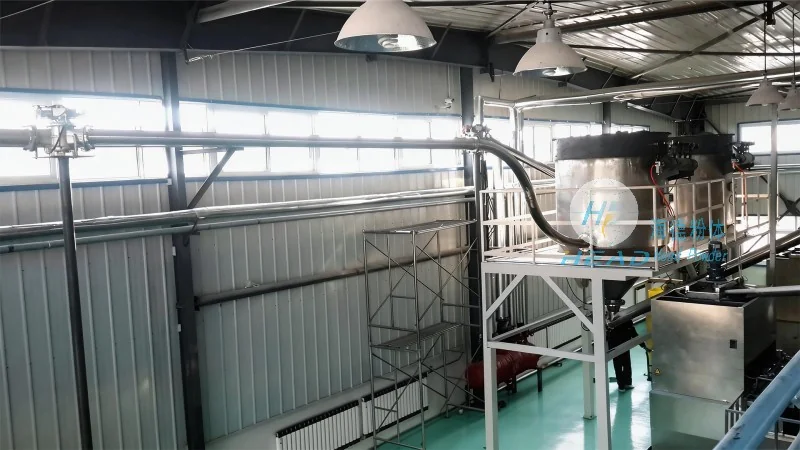
Film-coated sand pneumatic conveying systems are widely utilized in various applications within the foundry industry. They are commonly employed in the transportation of sand from storage silos to molding machines, where the sand is used to create molds for casting metal parts such as automotive components, machinery parts, or industrial equipment. The system can also be integrated with other equipment, such as sand reclamation systems, to recycle and reuse the film-coated sand, reducing material waste and operational costs. In some cases, the system is used to transport sand between different stages of the casting process, such as from the molding area to the shakeout or cleaning stations, where the sand is removed from the cast parts. The versatility of the system allows it to adapt to different production requirements, making it a valuable asset for foundries of various sizes and production capacities.
Maintenance and Operational Best Practices
Proper maintenance and operational practices are essential to ensure the long-term performance and reliability of a film-coated sand pneumatic conveying system. Regular inspections of the air compressor and blower for proper operation and efficiency are crucial. The conveying line and components should be checked for any signs of wear, blockage, or damage, as these can affect the system's performance and lead to downtime. The control system and valves should be calibrated periodically to maintain optimal air flow and pressure, ensuring consistent and efficient operation. Additionally, the system should be cleaned regularly to prevent the buildup of sand particles or dust, which can lead to clogging or reduced efficiency. Proper training of operators on the system's operation and maintenance is also important to ensure safe and effective use. By following these best practices, foundries can maximize the lifespan of their pneumatic conveying systems and minimize operational disruptions.