

Operation Process and Working Principle of Ship Loading and Unloading Pneumatic Conveying Systems
HeadPowder, a leading engineering firm based in Shandong, China, specializes in the design, manufacturing, and installation of advanced pneumatic conveying systems for bulk material handling in maritime operations. This article provides a comprehensive overview of the operational process and underlying principles of such systems, highlighting their efficiency and reliability in ship loading and unloading applications.
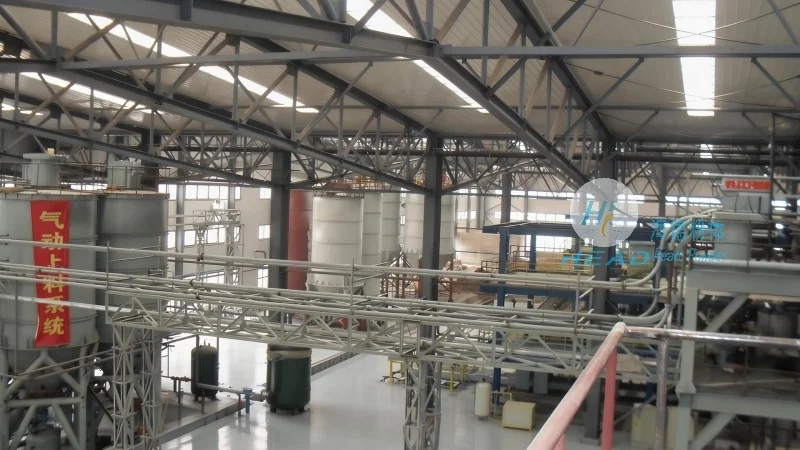
Understanding Pneumatic Conveying Systems for Ship Operations
Pneumatic conveying systems are essential for transporting bulk materials like grains, powders, and other dry commodities between ships and shore facilities. These systems utilize air pressure to move materials through a network of pipes, eliminating the need for mechanical components like belts or buckets. The technology offers significant advantages in terms of speed, hygiene, and flexibility, making it a preferred choice for modern port operations.
Key Components of a Ship Loading and Unloading Pneumatic Conveying System
The core components of a typical system include the material hopper, air compressor, conveying pipes, and discharge equipment. The material hopper is where bulk materials are stored and fed into the system. The air compressor generates the necessary air pressure to create a flow of material through the pipes. The conveying pipes are designed to withstand the pressure and material flow, often made from corrosion-resistant materials to ensure durability. The discharge equipment, such as a rotary valve or a dust collector, regulates the release of material at the destination point.
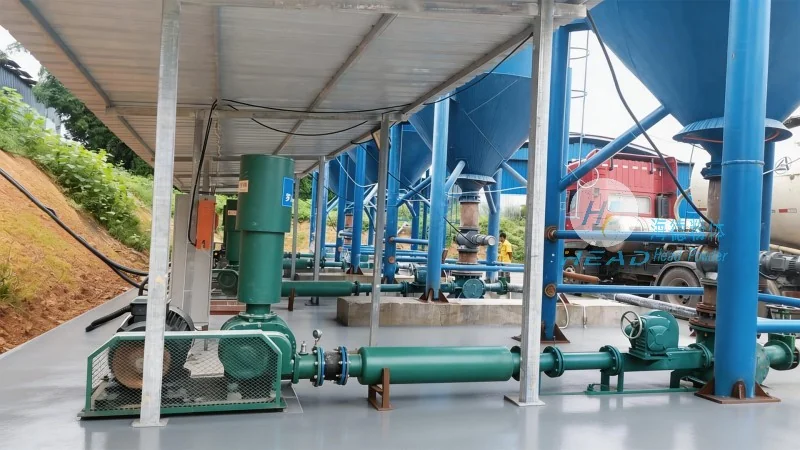
The Operational Process: From Loading to Unloading
The operation of a ship loading and unloading pneumatic conveying system involves several sequential steps. First, the bulk material is loaded into the material hopper on the ship or at the shore terminal. The system then activates the air compressor, which creates a pressure differential that draws the material into the conveying pipes. As the material travels through the pipes, it is propelled by the air flow, moving from the source to the destination. Upon reaching the discharge point, the material is released and collected in a storage silo or directly into a processing unit. The system continuously monitors air pressure and flow rates to maintain optimal performance and prevent blockages or inefficiencies.
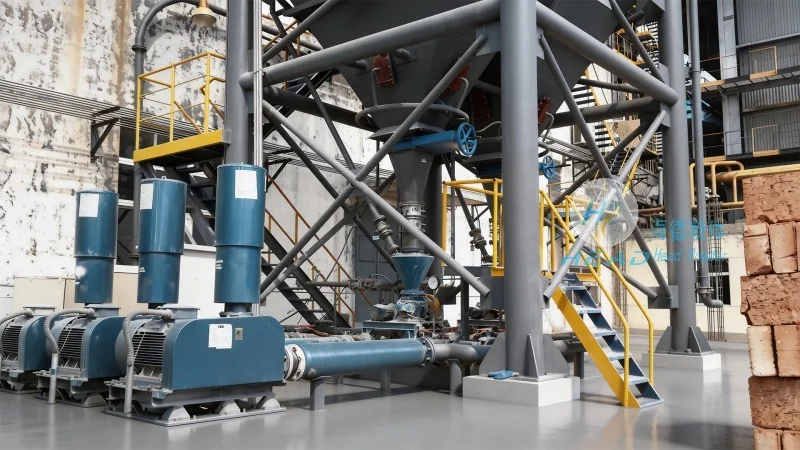
Working Principle: Air Pressure and Material Transport
The fundamental principle behind pneumatic conveying is the use of air pressure to create a flow of material. In a positive pressure system, the air compressor pushes air into the conveying pipes, forcing the material to move along with the air. In a negative pressure system, the air is drawn out of the pipes, creating a vacuum that pulls the material in. Both systems rely on the interaction between air velocity and material density to ensure efficient transport. The design of the system, including pipe diameter, air velocity, and material characteristics, is critical to achieving optimal performance and minimizing energy consumption.
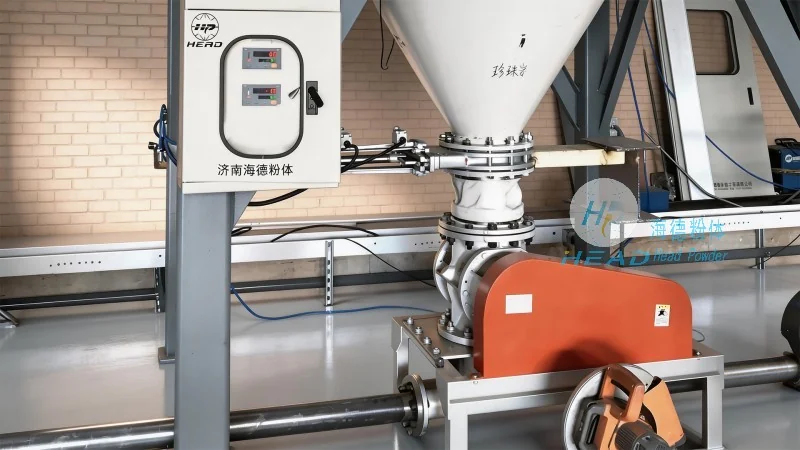
Advantages of Pneumatic Conveying in Maritime Applications
Compared to traditional mechanical conveying methods, pneumatic systems offer several key advantages. They provide faster material transfer, reducing overall handling time and increasing port throughput. The enclosed system also enhances hygiene, preventing dust and contamination, which is crucial for food and pharmaceutical products. Additionally, pneumatic systems are more flexible, allowing for easy reconfiguration of the conveying network to accommodate changes in operational needs. The technology also reduces labor costs and maintenance requirements, as there are fewer moving parts compared to mechanical systems.
Customization and Integration with HeadPowder's Expertise
HeadPowder Engineering Co., Ltd. specializes in designing customized pneumatic conveying systems tailored to the specific requirements of each port operation. Our team of engineers works closely with clients to assess material properties, operational constraints, and throughput demands, ensuring that the system is optimized for maximum efficiency and reliability. We offer a range of solutions, from small-scale systems for local terminals to large-scale installations for major international ports. Our commitment to quality and innovation ensures that our clients receive systems that meet the highest standards of performance and durability.