

Operation Process and Working Principle of Centralized Bulk Material Pneumatic Conveying Equipment
Centralized bulk material pneumatic conveying equipment, as a key component in modern industrial material handling systems, plays a crucial role in efficiently transporting bulk materials from various sources to processing or storage locations. The operation process and working principle of such equipment are designed to ensure reliable, continuous, and low-maintenance material transfer, making it an essential solution for industries like food processing, pharmaceuticals, chemicals, and mining. This article provides a detailed overview of how these systems function, focusing on the key stages and mechanisms involved in the conveying process.
Key Components and Their Roles
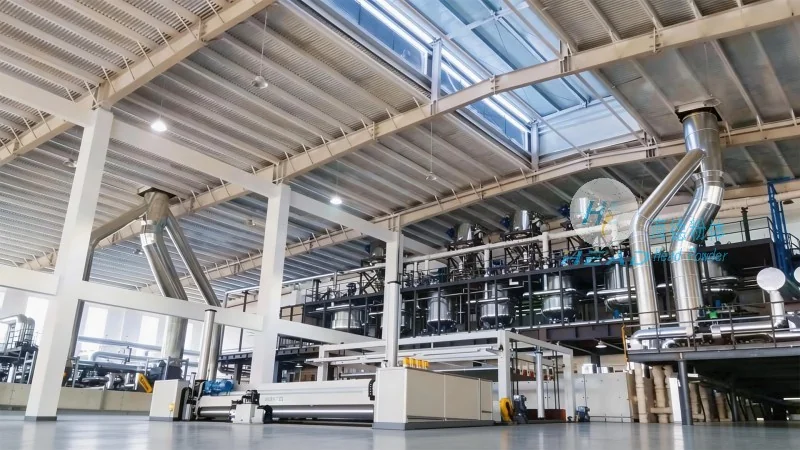
The centralized pneumatic conveying system typically consists of several core components, each with a specific function that contributes to the overall operation. These components include the material feeding hopper, the air supply system (usually a blower or compressor), the conveying pipeline, the control system, and the material discharge unit. The material feeding hopper is responsible for storing and feeding the bulk material into the system, ensuring a consistent flow of material to the conveying line. The air supply system generates the necessary air pressure or vacuum to move the material through the pipeline. The conveying pipeline, often made of stainless steel or other corrosion-resistant materials, transports the material from the feed point to the discharge point. The control system monitors and regulates the operation of the blower, feed rate, and other parameters to maintain optimal performance. Finally, the material discharge unit collects the conveyed material and delivers it to the intended destination.
Operation Process: Step-by-Step Explanation
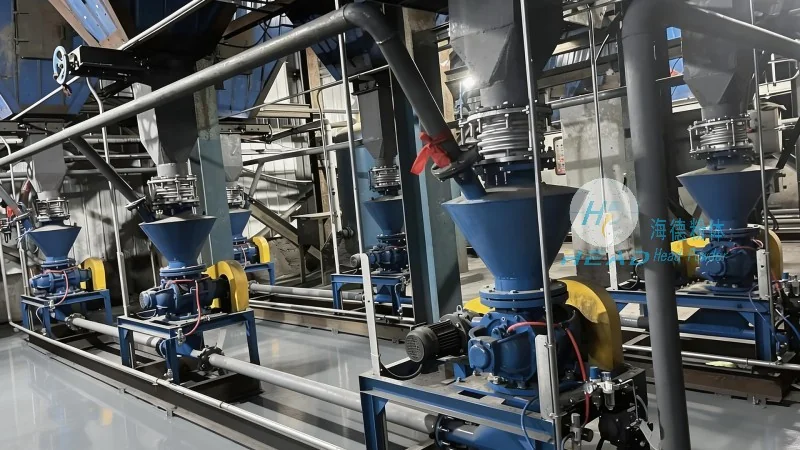
The operation of centralized bulk material pneumatic conveying equipment follows a systematic sequence of steps to ensure efficient material transfer. The process begins with the material being fed into the hopper from a storage silo or other source. The material then flows into the conveying pipeline under the influence of the air flow generated by the blower. The air, moving at high velocity, entrains the material particles, forming a mixture known as a "pneumatic stream." This stream travels through the pipeline to the discharge point, where the material is separated from the air and collected. The air, now carrying fine particles or dust, may be filtered and recycled back into the system to improve efficiency and reduce waste.
Working Principle: The Physics Behind the Process
The working principle of pneumatic conveying relies on the fundamental principles of fluid dynamics and particle motion. When air is forced through the conveying pipeline at a high velocity, it creates a pressure differential that propels the material particles forward. The key to effective conveying is the balance between the air velocity and the material's particle size, density, and moisture content. If the air velocity is too low, the material may not be fully entrained and may settle in the pipeline, leading to blockages. Conversely, if the air velocity is too high, excessive energy consumption may occur, and fine particles may be carried away by the air, causing loss of material or contamination. The system's design, including the pipeline diameter, length, and bends, is carefully optimized to maintain the optimal air velocity and pressure to ensure smooth material transport.
Advantages of Centralized Pneumatic Conveying Systems
Centralized bulk material pneumatic conveying equipment offers several advantages over traditional mechanical conveying methods. These include reduced labor costs due to automated operation, lower maintenance requirements compared to mechanical systems (as there are fewer moving parts), and the ability to handle a wide range of materials, including powders, granules, and even bulk solids with high moisture content. The system also provides better control over material flow, allowing for precise dosing and regulation of the feed rate. Additionally, pneumatic conveying can be integrated with other processing equipment, such as mixers, classifiers, and storage silos, to create a seamless material handling workflow. The environmental benefits are also significant, as the system can be designed with dust collection and filtration systems to minimize air pollution and comply with environmental regulations.
Applications in Various Industries
The versatility of centralized pneumatic conveying equipment makes it suitable for a wide range of industrial applications. In the food and beverage industry, it is used to transport ingredients like flour, sugar, and spices from storage to production lines, ensuring hygienic and efficient handling. In the pharmaceutical industry, the system is employed to convey active pharmaceutical ingredients (APIs) and excipients, maintaining strict contamination control and meeting regulatory standards. The chemical industry utilizes pneumatic conveying for transporting raw materials like powders and granules, as well as finished products, in a controlled environment. In mining and mineral processing, the equipment is used to transport ore and other bulk materials from processing plants to storage or shipping facilities. The mining industry also benefits from the ability to handle abrasive materials without causing wear and tear on the system components.
Maintenance and Operational Considerations
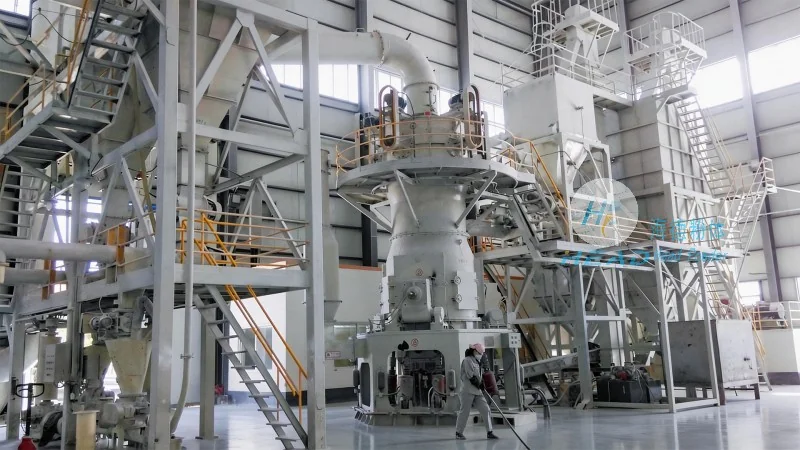
To ensure the reliable and long-term operation of centralized pneumatic conveying equipment, regular maintenance and proper operational practices are essential. The air supply system, including the blower and filters, should be inspected and maintained regularly to prevent clogging and ensure consistent air pressure. The conveying pipeline should be checked for any signs of wear, corrosion, or blockages, and cleaned as needed to maintain optimal flow. The material feeding hopper and discharge unit should be inspected for material buildup or wear, and replaced or repaired as necessary. Operational considerations include monitoring the feed rate and air pressure to ensure they remain within the optimal range, and adjusting the system parameters as needed to accommodate changes in material characteristics or processing requirements. Proper training of operators on the system's operation and maintenance is also crucial to prevent downtime and ensure safety.
Conclusion: The Importance of Efficient Material Handling
Centralized bulk material pneumatic conveying equipment is a critical technology in modern industrial material handling, offering efficient, reliable, and low-maintenance solutions for transporting bulk materials. By understanding the operation process and working principle of these systems, industries can optimize their material handling workflows, reduce costs, and improve overall productivity. The continued development and refinement of pneumatic conveying technology will further enhance its capabilities, making it an even more valuable asset in the future of industrial operations. As demand for efficient and sustainable material handling solutions grows, centralized pneumatic conveying equipment will remain a key component in meeting these needs.