

Operation Process and Working Principle of Multi-functional Pneumatic Conveying Equipment
Multi-functional pneumatic conveying equipment is a sophisticated industrial solution designed to transport bulk materials efficiently over varying distances. This technology utilizes compressed air or other gases to move powders, granules, and other particulate materials from a source to a destination. The system is widely adopted across diverse sectors, including food processing, pharmaceuticals, chemicals, and mining, due to its adaptability and ability to handle a broad spectrum of materials with precision and reliability.
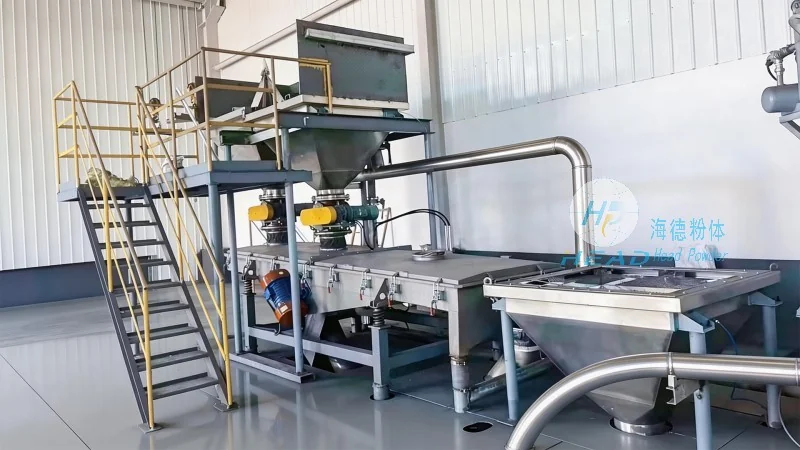
About HeadPowder: A Leading Provider of Pneumatic Conveying Solutions
HeadPowder, formally known as Shandong HeadPowder Engineering Co., Ltd., is a reputable enterprise headquartered in Shandong, China. The company specializes in the research, development, and manufacturing of advanced pneumatic conveying systems. With a strong emphasis on innovation and quality, HeadPowder offers tailored solutions that meet the unique requirements of different industries, ensuring optimal performance and durability for material handling applications.
Key Components of Pneumatic Conveying Systems
A typical pneumatic conveying system comprises several critical components that collaborate to achieve efficient material transport. These components include a material hopper or feeder, a conveying pipeline (usually constructed from metal or high-quality plastic), a compressor or air source unit, a control system for pressure and flow regulation, and a discharge device at the receiving end. Each component is meticulously designed to ensure seamless operation and prevent material degradation or blockages during transport.
The Working Principle of Pneumatic Conveying
The fundamental principle of pneumatic conveying involves creating a pressure differential to move material through a closed system. There are two primary types of systems: positive pressure (or pressure) systems and negative pressure (or vacuum) systems. In a positive pressure system, compressed air is pumped into the conveying line, pushing the material from the inlet to the outlet. This method is suitable for short to medium distances and can effectively handle materials with higher moisture content or larger particle sizes. In contrast, a negative pressure system generates a vacuum at the outlet, drawing material from the hopper into the line. This approach is ideal for long-distance transport and for materials that are sensitive to pressure changes or require airtight containment.
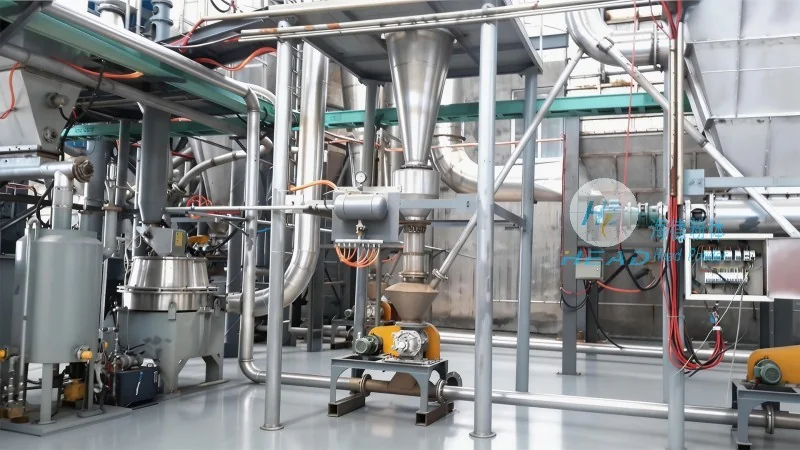
Operation Process of Multi-functional Pneumatic Conveying Equipment
The operation process of multi-functional pneumatic conveying equipment follows a systematic sequence. Initially, the material is loaded into the hopper or feeder, where it is stored and prepared for transport. The feeder then regulates the flow rate of material into the conveying line, ensuring a consistent supply. Next, the compressor provides the necessary air pressure to create the flow. The control system continuously monitors the pressure and flow rates, adjusting them as needed to maintain stable and efficient operation. Finally, the material is discharged at the destination point, completing the transport cycle. This process can be automated for continuous operation, enhancing productivity and reducing human intervention.
Advantages of Using Multi-functional Pneumatic Conveying Equipment
Multi-functional pneumatic conveying equipment offers numerous advantages over traditional material handling methods. These benefits include reduced labor costs by eliminating manual handling of bulk materials, enhanced workplace safety by minimizing direct contact with materials, and increased operational efficiency through faster and more reliable transport. The equipment is also highly flexible, allowing for easy integration into existing production lines and adaptation to different material types, such as fine powders, coarse granules, or even sticky substances. Additionally, it can handle materials that are difficult to transport using conventional methods, such as those with high moisture content or those that are prone to caking.
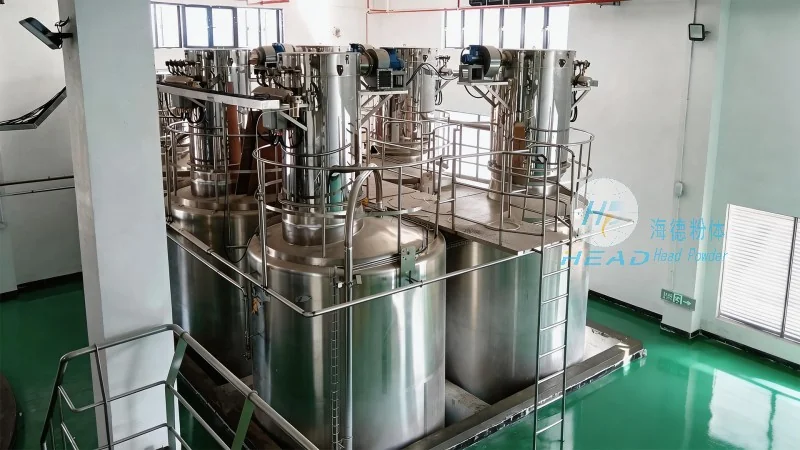
Applications in Various Industries
Multi-functional pneumatic conveying equipment is applied in a wide array of industrial applications. In the food industry, it is used to transport ingredients like flour, sugar, and spices, ensuring hygienic and efficient handling. In the pharmaceutical industry, it handles powders and granules with strict purity and contamination control requirements. In the chemical industry, it transports chemicals and reagents safely and efficiently, preventing exposure to hazardous materials. In the mining industry, it is utilized to move minerals and ores from one processing stage to another, improving overall production throughput. The versatility of this equipment makes it a valuable asset in any facility requiring reliable bulk material transport.
Maintenance and Safety Considerations
Proper maintenance and adherence to safety protocols are essential for the long-term performance and safety of pneumatic conveying equipment. Regular inspections of the compressor, air filters, and conveying lines are necessary to prevent system failures and material blockages. The control system should be checked for proper functioning to ensure stable pressure and flow rates. Additionally, safety measures such as pressure relief valves, emergency shut-off systems, and proper ventilation are critical to prevent accidents and protect personnel. By following manufacturer guidelines and conducting routine maintenance, users can maximize the lifespan of the equipment and ensure safe operation.
Future Developments in Pneumatic Conveying Technology
As technology advances, the field of pneumatic conveying continues to evolve with new innovations aimed at improving efficiency and sustainability. Modern systems often incorporate advanced control technologies, such as sensors and automation, to optimize performance and reduce energy consumption. There is also a growing focus on developing more eco-friendly solutions, such as using renewable energy sources for the compressor or implementing recycling systems for the air used in the process. These advancements are expected to further enhance the capabilities of multi-functional pneumatic conveying equipment, making it an even more valuable tool in industrial applications.