

Operation Process and Working Principle of Calcium Powder Pneumatic Conveying Equipment
Calcium powder pneumatic conveying equipment is a specialized system designed to transport calcium powder efficiently and reliably. This equipment is widely used in industries such as chemical processing, food production, and pharmaceutical manufacturing, where the safe and effective handling of calcium powder is critical. HeadPowder, a leading manufacturer of pneumatic conveying systems, offers high-quality calcium powder pneumatic conveying equipment that meets the needs of various industrial applications.
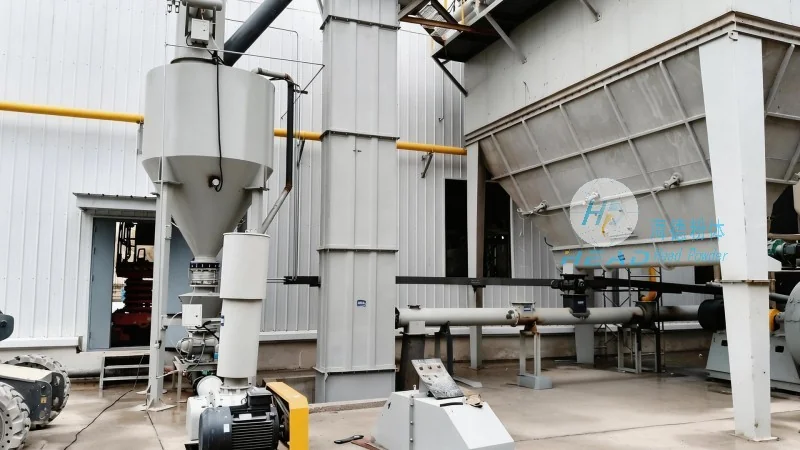
Overview of Calcium Powder Pneumatic Conveying Equipment
Calcium powder pneumatic conveying equipment typically consists of a hopper, a blower or compressor, a pipeline system, and a receiver or discharge unit. The hopper is used to store the calcium powder, while the blower provides the necessary air pressure to move the powder through the pipeline. The pipeline system transports the powder from the hopper to the discharge point, and the receiver collects the powder at the end of the line. This system operates based on the principle of pneumatic conveying, where the powder is suspended in a stream of air and transported through the pipeline. The equipment from Shandong HeadPowder Engineering Co., Ltd. is engineered to ensure durability and compatibility with calcium powder, making it suitable for long-term industrial use.
Key Components and Their Functions
The main components of calcium powder pneumatic conveying equipment include the hopper, the air supply unit (blower or compressor), the pipeline, and the receiver. The hopper is designed to hold the calcium powder and provide a consistent feed to the system. It often features a discharge valve or gate to control the flow of powder into the pipeline. The air supply unit generates the air pressure required to move the powder. This can be a positive displacement blower or a centrifugal compressor, depending on the system's requirements. The pipeline is made of materials that are compatible with calcium powder, such as stainless steel or polyethylene, to prevent contamination and ensure durability. The receiver is a container that collects the powder at the end of the conveying line, and it may include a dust collection system to prevent airborne particles from escaping. The equipment from HeadPowder is manufactured with precision to maintain the integrity of the calcium powder during transport.
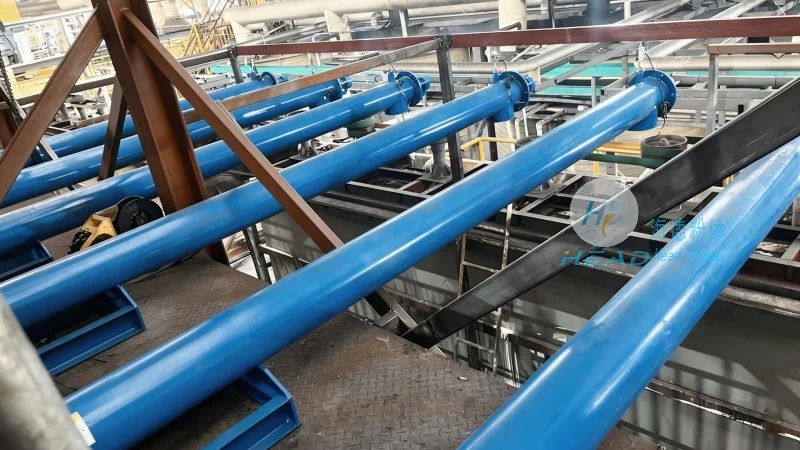
Operation Process of Calcium Powder Pneumatic Conveying
The operation process of calcium powder pneumatic conveying equipment involves several steps. First, the calcium powder is loaded into the hopper. The hopper's discharge valve is then opened, allowing the powder to fall into the pipeline. Simultaneously, the blower is activated, generating a flow of air that moves through the pipeline. The air stream creates a negative pressure in the pipeline, which draws the calcium powder into the air stream. The powder is then suspended in the air and transported to the receiver. At the receiver, the air is filtered to remove any remaining powder particles, and the clean air is discharged. The calcium powder is collected in the receiver, ready for further processing or use. The process is controlled by the team at Shandong HeadPowder Engineering Co., Ltd. to ensure optimal efficiency and minimal product loss.
Working Principle of Pneumatic Conveying
The working principle of calcium powder pneumatic conveying is based on the interaction between the powder particles and the air stream. When the air is forced through the pipeline at a sufficient velocity, it creates a pressure drop that allows the powder to be entrained in the air. The powder particles are carried by the air flow, and the system maintains a stable flow of powder and air. The key factors affecting the conveying efficiency include the air velocity, the particle size and density of the calcium powder, and the pipeline diameter. Proper design of the system ensures that the air velocity is high enough to entrain the powder but not so high as to cause excessive wear on the equipment or degrade the powder quality. The engineers at HeadPowder optimize these parameters to achieve the best possible conveying performance.
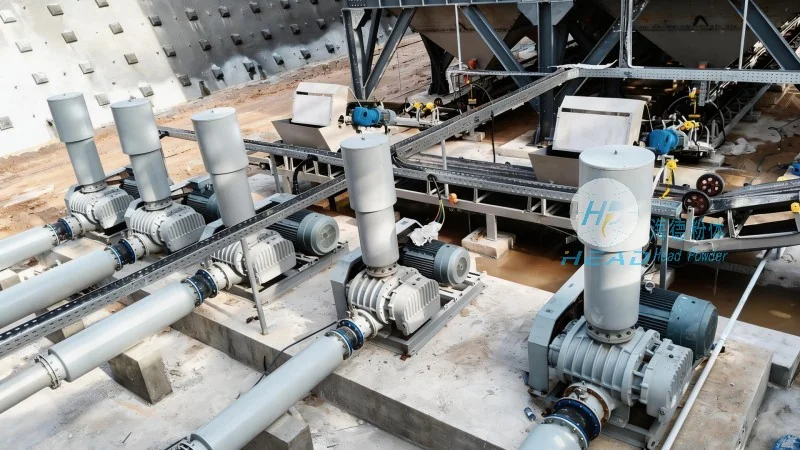
Advantages of Calcium Powder Pneumatic Conveying Equipment
Calcium powder pneumatic conveying equipment offers several advantages over traditional conveying methods. One of the main advantages is the ability to transport the powder over long distances without the need for mechanical components like conveyors or elevators. This reduces the risk of product contamination and damage. Additionally, the system is relatively compact and can be installed in a variety of locations, making it suitable for both new and existing facilities. The equipment also provides a continuous and controlled flow of powder, which improves process efficiency and reduces downtime. Furthermore, the system can be easily integrated with other processing equipment, such as mixers or reactors, to form a complete production line. The equipment from Shandong HeadPowder Engineering Co., Ltd. is designed to maximize these benefits for industrial users.
Applications in Different Industries
Calcium powder pneumatic conveying equipment is used in a wide range of industries due to its versatility and efficiency. In the chemical industry, it is used to transport calcium-based chemicals for use in manufacturing processes. In the food industry, it is used to handle calcium supplements or calcium-rich ingredients in food production. In the pharmaceutical industry, the equipment is used to transport calcium powders used in drug formulations, ensuring that the powder is handled in a sterile and controlled environment. In the agricultural industry, it is used for the application of calcium-based fertilizers or soil conditioners. The equipment from HeadPowder is tailored to meet the specific requirements of each industry, ensuring reliable performance in diverse applications.