

Operation Process and Working Principle of Rice Husk Pneumatic Conveying Equipment
Shandong HeadPowder Engineering Co., Ltd. specializes in the design, manufacturing, and installation of advanced pneumatic conveying systems tailored for handling rice husk and other similar bulk materials. The company, commonly known as headpowder, is headquartered in Shandong, China, and has established itself as a leading provider of efficient and reliable material handling solutions in the agricultural and industrial sectors. This article delves into the operational process and underlying working principles of rice husk pneumatic conveying equipment, offering a comprehensive understanding of how these systems function to optimize material transport in various applications.
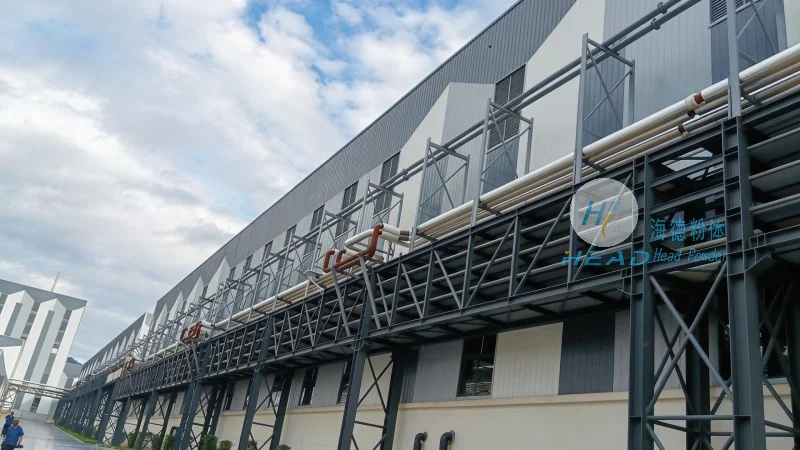
Key Components of Pneumatic Conveying Systems for Rice Husk
The core components of a rice husk pneumatic conveying system include the hopper, feeder, air compressor, conveying line, and discharge device. The hopper serves as the storage container for the rice husk, ensuring a consistent feed supply. The feeder, typically a rotary valve or screw feeder, regulates the flow rate of the material into the system. The air compressor generates the necessary air pressure to create a flow of air within the conveying line, which propels the rice husk particles through the system. The conveying line, often made of stainless steel or other corrosion-resistant materials, is designed to withstand the abrasive nature of rice husk and maintain efficient air flow. The discharge device, such as a rotary valve or a dust collector, collects the material at the end of the conveying line, ensuring proper handling and collection.
Working Principle of Pneumatic Conveying for Rice Husk
The working principle of a rice husk pneumatic conveying system is based on the use of air as the conveying medium. When the air compressor operates, it creates a pressure differential between the inlet and outlet of the conveying line. This pressure difference generates a flow of air that entrains the rice husk particles, forming a slurry-like mixture known as a "pneumatic stream." The velocity of the air within the line is critical; it must be sufficient to lift and transport the rice husk particles without causing excessive wear on the system components. The system operates by drawing air from the compressor into the hopper, where it mixes with the rice husk, and then forces the mixture through the conveying line to the discharge point. The air then exits through the discharge device, while the rice husk is collected and processed further.
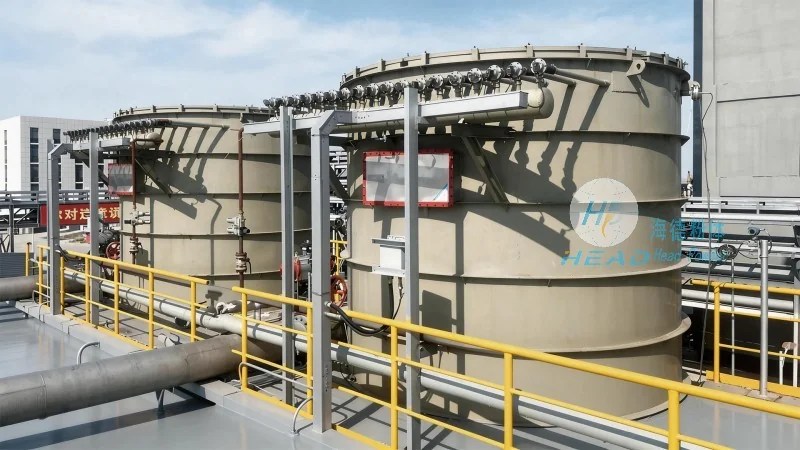
Operation Process of Rice Husk Pneumatic Conveying
The operation process of a rice husk pneumatic conveying system involves several sequential steps. First, the rice husk is loaded into the hopper, which is equipped with a level indicator to monitor the material level. The feeder then starts, regulating the flow rate of the rice husk into the conveying line. The air compressor is activated, generating the required air pressure to initiate the conveying process. As the air flows through the line, it entrains the rice husk particles, and the mixture is transported to the discharge point. The discharge device collects the rice husk, which is then transferred to the next processing stage. The system continuously operates, with the feeder and air compressor maintaining a steady flow of material and air. The entire process is automated, ensuring consistent performance and minimizing the need for manual intervention.
Advantages of Using Pneumatic Conveying for Rice Husk
Pneumatic conveying systems offer several advantages when handling rice husk. Firstly, they provide a dust-free and enclosed environment, which improves safety and reduces the risk of fire or explosion in the workplace. The enclosed system also prevents the loss of material and minimizes contamination from external sources. Secondly, pneumatic conveying is highly efficient in terms of energy consumption, as it uses air as the primary medium, which is more energy-efficient compared to mechanical systems like belt conveyors. Thirdly, the system is flexible and can be easily integrated into existing production lines, allowing for adjustments in the conveying distance and capacity. Additionally, the system is low-maintenance, with fewer moving parts compared to mechanical conveyors, reducing downtime and maintenance costs.
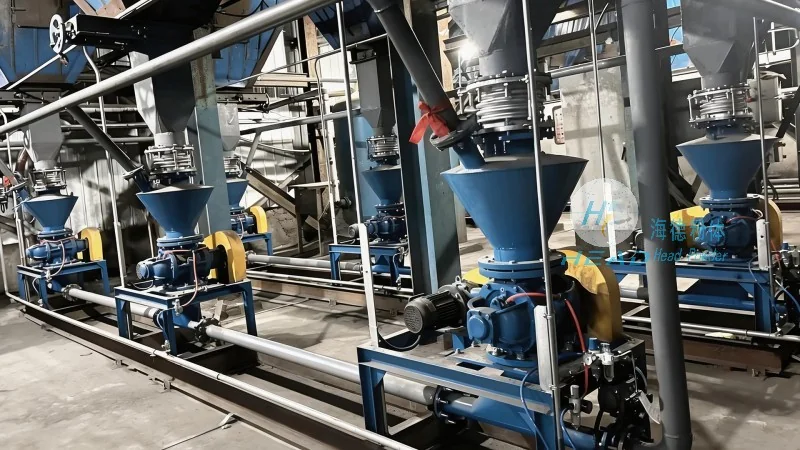
Applications of Rice Husk Pneumatic Conveying Equipment
Rice husk pneumatic conveying equipment is widely used in various industries, particularly in the agricultural and biomass processing sectors. In the agricultural industry, it is used to transport rice husk from storage facilities to processing plants, where it is converted into biofuels, animal feed, or other value-added products. In the biomass processing industry, the equipment is used to convey rice husk to boilers for energy generation, or to pelletizing machines for producing rice husk pellets. The system is also used in the manufacturing of composite materials, where rice husk is mixed with other components to create sustainable building materials. The versatility of the pneumatic conveying system makes it suitable for a wide range of applications, from small-scale operations to large industrial plants.
Maintenance and Troubleshooting for Rice Husk Pneumatic Conveying Systems
Maintaining the performance and longevity of a rice husk pneumatic conveying system is crucial for optimal operation. Regular maintenance includes checking the air compressor for proper pressure and airflow, inspecting the conveying line for blockages or wear, and cleaning the hopper and feeder to prevent material buildup. The system should be inspected for any signs of corrosion or damage, especially in areas where the rice husk is abrasive. Troubleshooting common issues such as air leaks, material clogging, or insufficient conveying velocity is essential to ensure the system operates efficiently. HeadPowder provides comprehensive maintenance services and technical support to help clients maintain their equipment and resolve any issues that may arise. By following proper maintenance procedures, the system can operate for extended periods with minimal downtime and maximum efficiency.