

Operation Process and Working Principle of Monosodium Glutamate Pneumatic Conveying Equipment
Shandong HeadPowder Engineering Co., Ltd. specializes in the design, manufacturing, and supply of advanced pneumatic conveying equipment tailored for the monosodium glutamate (MSG) industry. This equipment is engineered to efficiently transport MSG powder from storage silos or production lines to processing units, ensuring a seamless and reliable material handling solution. The company, based in Shandong, China, leverages decades of experience in powder handling technology to deliver equipment that meets stringent industry standards for efficiency, safety, and durability.
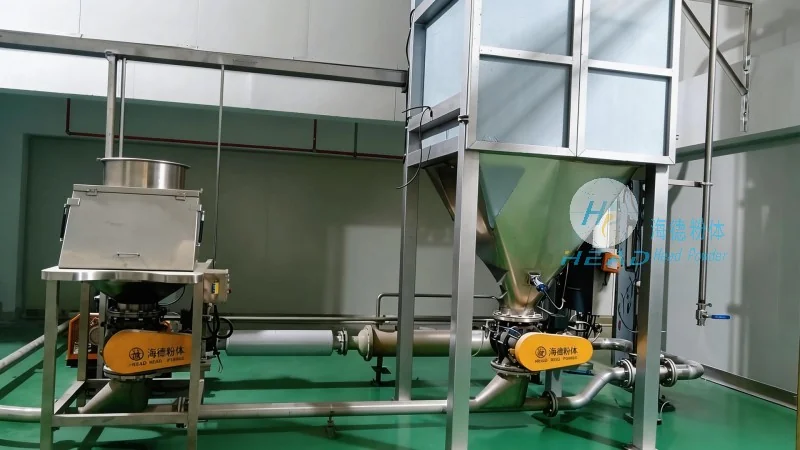
The core of the monosodium glutamate pneumatic conveying system lies in its working principle, which utilizes air flow to transport solid particles. There are two primary types of pneumatic conveying systems: positive pressure and negative pressure. In positive pressure systems, a blower or compressor generates high-pressure air that propels the material through a sealed pipeline. The equipment typically includes a feeder that meters the MSG powder into the air stream, a conveying pipe network, and a receiver where the material is deposited. Negative pressure systems, on the other hand, use a vacuum to draw material from the source into a pipeline, with the air and material being discharged at the receiver. Both systems are designed to handle the specific characteristics of MSG, such as its fine particle size and hygroscopic nature, ensuring minimal product degradation and loss.
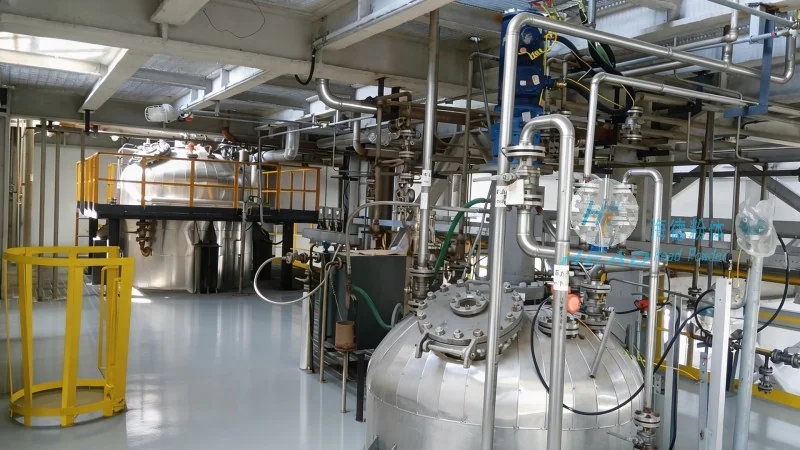
The operation process of the monosodium glutamate pneumatic conveying equipment begins with the preparation phase. The system is first checked for proper functionality, including verifying the air pressure or vacuum levels, ensuring all valves are in the correct position, and confirming that the feeder and receiver are properly aligned. Once the system is ready, the feeder starts to meter the MSG powder into the air stream. The air, often filtered to remove contaminants, is then introduced, creating a consistent flow that carries the powder through the conveying pipeline. The speed and pressure of the air are carefully controlled to maintain a stable and efficient transport, preventing issues like blockages or material degradation. As the material travels through the pipeline, it reaches the receiver, where the air is separated from the product, typically through a cyclone or bag filter. The separated air is then discharged, while the MSG powder is collected in the receiver for further processing or packaging. The entire process is automated, with sensors and controls monitoring key parameters such as pressure, flow rate, and material level to ensure optimal performance and safety.
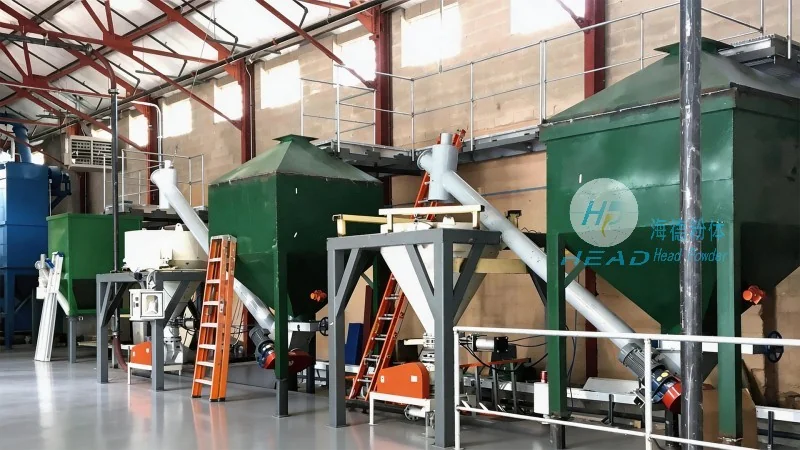
Key components of the monosodium glutamate pneumatic conveying system include the feeder, which ensures a consistent and controlled feed of the MSG powder into the air stream, preventing overfeeding or underfeeding that could lead to system inefficiencies or blockages. The conveying pipeline is constructed from materials resistant to corrosion and wear, such as stainless steel or special alloys, to withstand the abrasive nature of the MSG particles and the effects of air flow over extended periods. The receiver is designed to efficiently separate the product from the air, with features like a dust collection system to minimize environmental impact and ensure compliance with regulatory standards. Additionally, the system may include accessories like check valves, filters, and pressure relief devices to enhance safety and performance, protecting against overpressure or contamination.
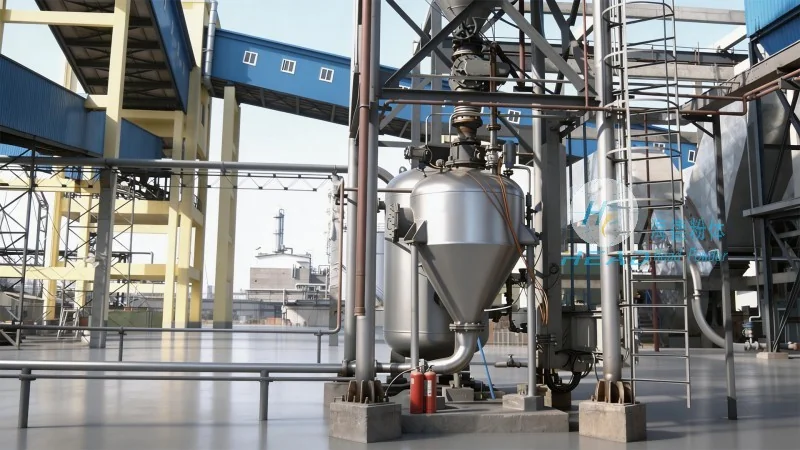
Shandong HeadPowder Engineering Co., Ltd. emphasizes the importance of maintaining the equipment to ensure long-term reliability and efficiency. Regular maintenance includes cleaning the feeder and pipeline to prevent buildup of MSG residue, inspecting the air filters for clogging, and checking the blower or vacuum pump for proper operation. The company provides comprehensive support services, including technical assistance, spare parts supply, and training for operators, to help clients optimize the performance of their pneumatic conveying systems. By adhering to these maintenance practices, users can extend the lifespan of the equipment, reduce downtime, and maintain consistent product quality, which is critical in the MSG industry where product purity and consistency are paramount.