

Operation Process and Working Principle of Potassium Chloride Pneumatic Conveying Equipment
HeadPowder Engineering Co., Ltd., a leading manufacturer based in Shandong, China, specializes in the design, development, and production of advanced pneumatic conveying systems tailored for the handling of bulk materials such as potassium chloride. With a strong commitment to engineering excellence and customer satisfaction, the company has established itself as a trusted partner in the chemical and mining industries, providing reliable solutions for material transport and processing. The following content provides a detailed overview of the operation process and working principle of their potassium chloride pneumatic conveying equipment, highlighting the technical aspects and practical applications.
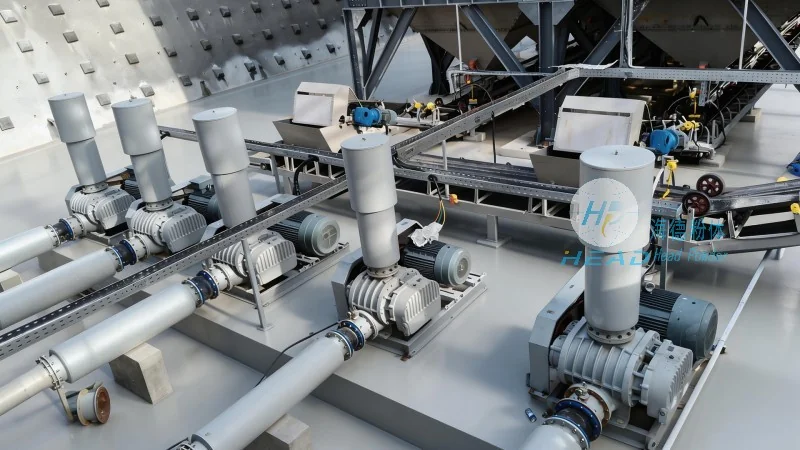
Introducing Potassium Chloride Pneumatic Conveying Systems
HeadPowder Engineering Co., Ltd. offers state-of-the-art pneumatic conveying systems specifically engineered for the efficient and safe transport of potassium chloride, a critical industrial chemical used in various applications including fertilizer production, food processing, and pharmaceutical manufacturing. These systems are designed to handle the unique characteristics of potassium chloride, such as its granular or crystalline form, ensuring minimal product degradation and maximum operational efficiency. The equipment is constructed with high-quality materials, including corrosion-resistant components, to withstand the chemical properties of potassium chloride and maintain long-term performance. Each system is customized to meet the specific requirements of clients, including capacity, distance, and environmental conditions, ensuring optimal performance in diverse industrial settings.
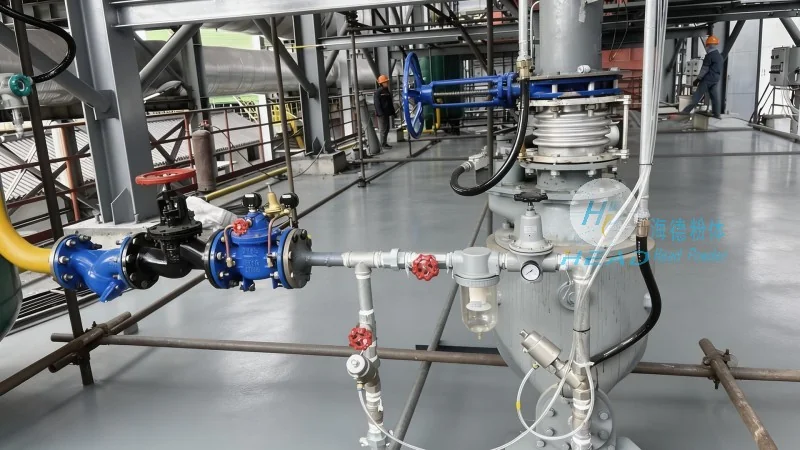
Step-by-Step Operation Process of the Pneumatic Conveying System
The operation of a potassium chloride pneumatic conveying system involves several key steps that ensure smooth and continuous material transport. The process begins with the loading of potassium chloride into the hopper or storage silo. From there, the material is drawn into the conveying line by a powerful air compressor, which generates the necessary air pressure to move the material through the system. The air and material mixture travels through the pipeline, with the air providing the kinetic energy required to transport the particles. At the discharge point, the material is separated from the air using a separator or cyclone, and the air is then filtered and recycled back into the system to maintain energy efficiency. The entire process is automated, with control systems monitoring and regulating the flow rate, pressure, and other critical parameters to ensure consistent and reliable operation. This step-by-step approach minimizes downtime and maximizes productivity, making the system ideal for continuous production environments.
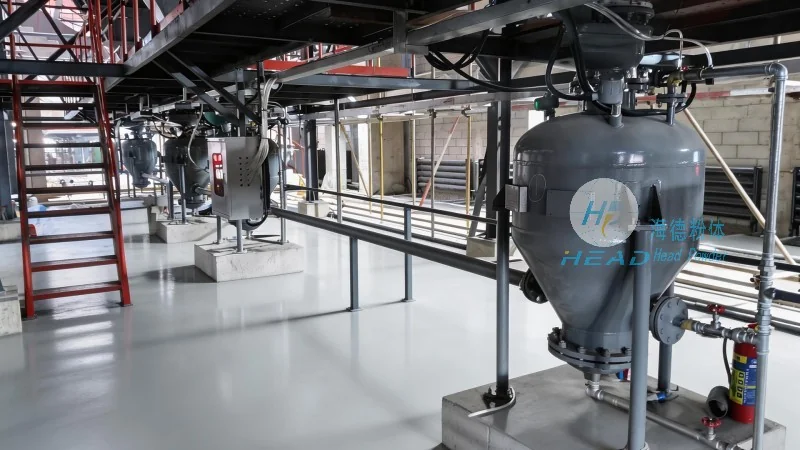
Working Principle of the Pneumatic Conveying Mechanism
The core principle of the pneumatic conveying system is the use of compressed air to transport bulk materials. In the case of potassium chloride, the system operates on the principle of dilute-phase or dense-phase conveying, depending on the specific requirements of the application. Dilute-phase conveying involves the material being suspended in the air stream, with the air velocity sufficient to keep the particles in suspension. This method is suitable for short to medium distances and low to medium material loads. Dense-phase conveying, on the other hand, uses a higher air pressure and lower air velocity to form a slurry-like mixture, which is ideal for longer distances and higher material loads. The system's design includes components such as the air compressor, hopper, conveying pipeline, separator, and filter, each playing a crucial role in the overall operation. The air compressor generates the necessary pressure to move the material, while the hopper provides a storage and feeding mechanism. The pipeline transports the material and air mixture, and the separator separates the material from the air, allowing the air to be recycled. The filter ensures that any particulate matter is removed from the air before it is returned to the system, maintaining air quality and preventing contamination. This integrated mechanism ensures efficient and reliable transport of potassium chloride, with minimal energy consumption and maximum material integrity.
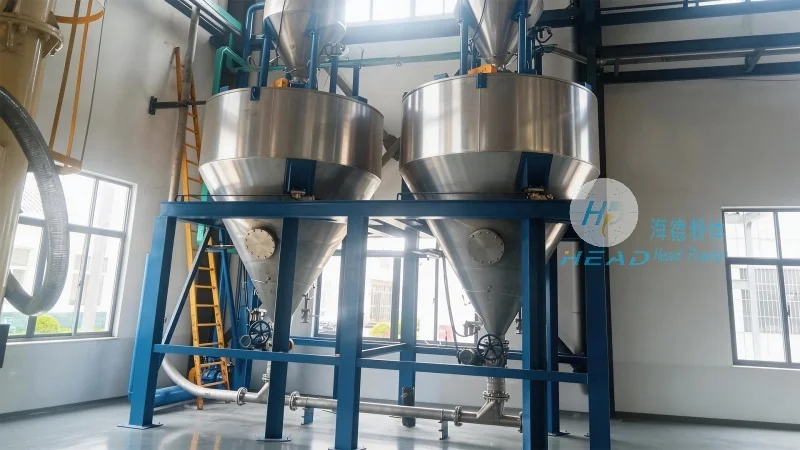
Key Features and Benefits of the Potassium Chloride Pneumatic Conveying Equipment
HeadPowder Engineering Co., Ltd.'s potassium chloride pneumatic conveying systems offer several key features and benefits that make them a preferred choice for industrial applications. One of the primary advantages is the ability to handle bulk materials without the need for mechanical components such as belts or buckets, reducing maintenance costs and increasing operational reliability. The system is also designed to minimize product contamination, as the material is enclosed within the pipeline, preventing exposure to external elements. Additionally, the equipment is highly flexible, allowing for easy integration into existing production lines and modifications to accommodate changing production needs. The automated control systems provide real-time monitoring and data logging, enabling operators to track performance and identify potential issues before they become major problems. These features, combined with the company's commitment to quality and customer support, make the potassium chloride pneumatic conveying systems a reliable and efficient solution for material transport in the chemical and mining industries.