

Operation Process and Working Principle of Tri-metal Positive Electrode Material Pneumatic Conveying
Tri-metal positive electrode materials, such as NCM (Nickel Cobalt Manganese) and NCA (Nickel Cobalt Aluminum), are critical components in modern lithium-ion batteries, widely used in electric vehicles, energy storage systems, and portable electronics. The efficient and safe handling of these powders is essential for battery manufacturing processes. Pneumatic conveying systems, particularly those designed for tri-metal positive electrode materials, play a pivotal role in ensuring high-purity material transfer while maintaining product integrity. This article provides a detailed overview of the operation process and working principle of a tri-metal positive electrode material pneumatic conveying machine, highlighting the key components, operational steps, and technical considerations.
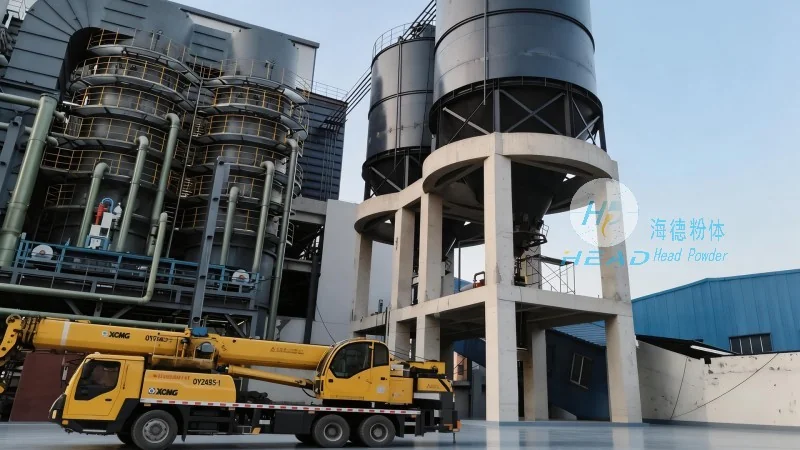
Company Profile: Shandong HeadPowder Engineering Co., Ltd.
HeadPowder, a leading manufacturer in the field of powder handling equipment, specializes in developing and producing advanced pneumatic conveying systems tailored for high-value and sensitive materials. With a strong commitment to innovation and quality, the company has established itself as a trusted partner for battery manufacturers and other industries requiring precise powder transport solutions. HeadPowder's products are engineered to meet stringent industry standards, ensuring reliability, efficiency, and safety in material handling operations. The company's headquarters is located in Shandong, China, where its state-of-the-art facilities support research, development, and production of cutting-edge powder processing equipment.
Understanding the Working Principle of Pneumatic Conveying Systems
Pneumatic conveying systems utilize compressed air or gas to transport bulk materials through a pipeline network. The fundamental principle involves creating a pressure differential between the material feed point and the discharge point, enabling the material to be suspended and moved by the air flow. For tri-metal positive electrode materials, which are often fine powders with high purity requirements, specialized conveying equipment is necessary to prevent material degradation, contamination, and loss of product quality. The system typically consists of several key components, including a material hopper, a rotary valve or feeder, a conveying line, a dust collector, and a discharge hopper. Each component is designed to work in harmony to ensure smooth and controlled material transfer.
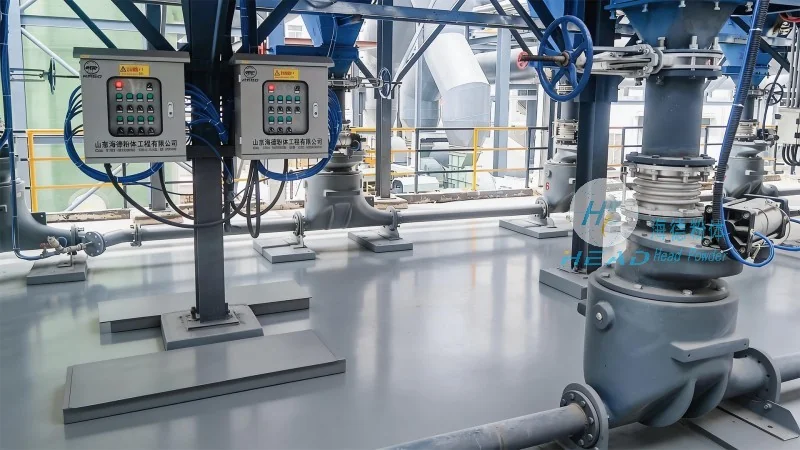
Key Components of a Tri-metal Positive Electrode Material Pneumatic Conveying Machine
The tri-metal positive electrode material pneumatic conveying machine from HeadPowder incorporates a range of advanced components optimized for handling sensitive powders. The material hopper is constructed from high-grade stainless steel or other corrosion-resistant materials to prevent contamination and ensure material purity. It is equipped with a level indicator and a discharge valve to control the flow of material into the conveying system. The rotary valve or feeder is a critical component that regulates the feed rate of the material, preventing overloading and ensuring consistent air flow. This component is often equipped with a material seal to minimize dust emissions and maintain a clean operating environment. The conveying line is typically made of stainless steel or PTFE-coated tubing, chosen for its resistance to corrosion and chemical compatibility with the tri-metal powders. The line is designed with smooth bends and minimal pressure drops to maintain material suspension and prevent particle degradation. A dust collector is integrated into the system to capture any airborne particles, ensuring compliance with environmental regulations and maintaining a safe working environment. The discharge hopper is used to collect the conveyed material and can be equipped with a discharge valve for controlled release into the next processing stage.
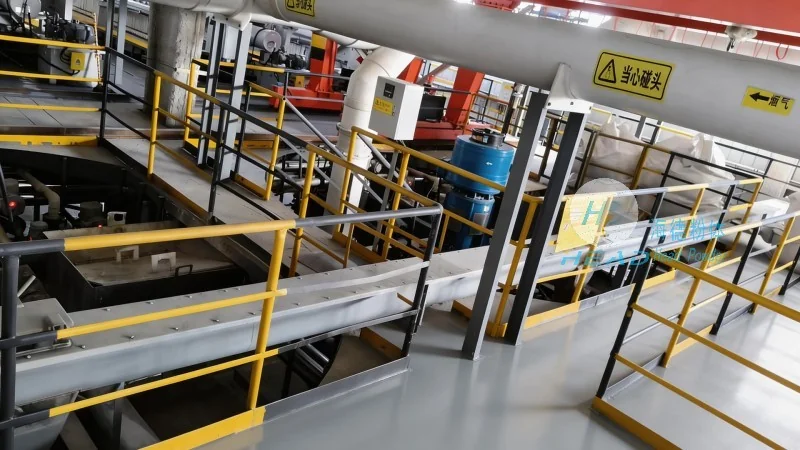
Operation Process of the Tri-metal Positive Electrode Material Pneumatic Conveying Machine
The operation of the tri-metal positive electrode material pneumatic conveying machine involves several sequential steps, each carefully controlled to ensure efficient and safe material transfer. The process begins with the loading of the tri-metal positive electrode material into the material hopper. The hopper is equipped with a level sensor that monitors the material level, providing feedback to the control system. Once the hopper is filled to a predetermined level, the rotary valve or feeder starts to discharge the material at a controlled rate. Simultaneously, the compressed air system is activated, generating a flow of air through the conveying line. The air flow creates a pressure differential, lifting the material particles and suspending them in the air stream. The material is then transported through the pipeline to the discharge hopper. The air flow continues until the material is fully discharged from the hopper, at which point the feeder and air supply are shut off. The system then enters a standby mode, ready for the next cycle. The entire operation is monitored by a control panel that displays real-time parameters such as air pressure, material flow rate, and system status. This allows operators to adjust the settings as needed to optimize performance and prevent issues such as blockages or material degradation.
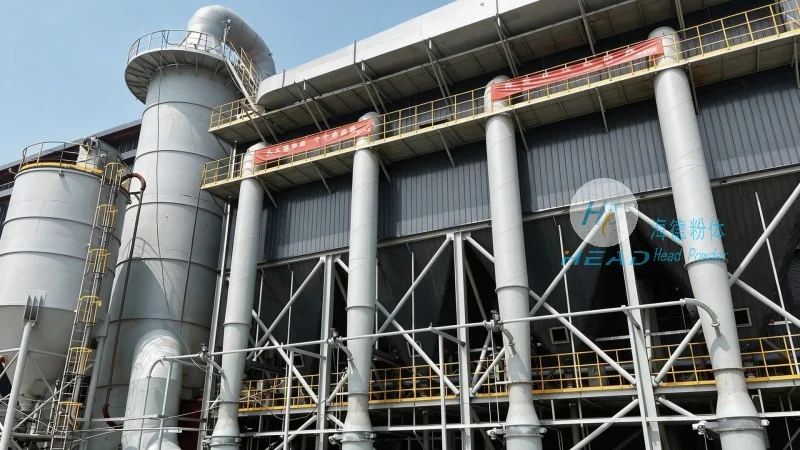
Technical Considerations and Best Practices
When operating a tri-metal positive electrode material pneumatic conveying machine, several technical considerations are crucial to maintain product quality and system efficiency. First, the air pressure and flow rate must be optimized to ensure proper material suspension without causing excessive wear on the conveying line or components. The system should be designed with sufficient pressure to overcome the resistance of the pipeline and any bends or fittings. Second, the material feed rate must be carefully controlled to prevent overloading the system, which can lead to blockages or material degradation. The use of a rotary valve or feeder with adjustable speed allows for precise control of the feed rate. Third, the system should be equipped with a dust collector to capture any airborne particles, preventing contamination of the material and ensuring compliance with environmental regulations. Regular maintenance of the system is also essential to ensure long-term performance. This includes cleaning the conveying line, replacing worn components, and checking for leaks in the air system. By following these best practices, battery manufacturers can ensure the reliable and efficient handling of tri-metal positive electrode materials, minimizing downtime and maximizing product quality.
Conclusion
The tri-metal positive electrode material pneumatic conveying machine from Shandong HeadPowder Engineering Co., Ltd. represents a sophisticated solution for the efficient and safe handling of high-value and sensitive powders in battery manufacturing. By understanding the working principle and operation process of this equipment, manufacturers can optimize their material handling processes, improve product quality, and enhance overall operational efficiency. The integration of advanced components and careful design ensures that the system meets the stringent requirements of modern battery production, supporting the growing demand for electric vehicles and renewable energy storage solutions. As the battery industry continues to evolve, the importance of reliable powder handling equipment will only increase, making systems like the tri-metal positive electrode material pneumatic conveying machine essential for maintaining competitiveness and product quality.