

Operation Process and Working Principle of High-Pressure Dilute-Phase Pneumatic Conveying System Equ
High-pressure dilute-phase pneumatic conveying systems represent a sophisticated method for transporting bulk materials through a pipeline using pressurized air. The equipment, developed by Shandong HeadPowder Engineering Co., Ltd., a leading manufacturer based in China, operates on principles that ensure efficient, reliable material transfer. This article delves into the operational process and underlying working principles of such systems, providing a comprehensive overview for industry professionals and potential clients.
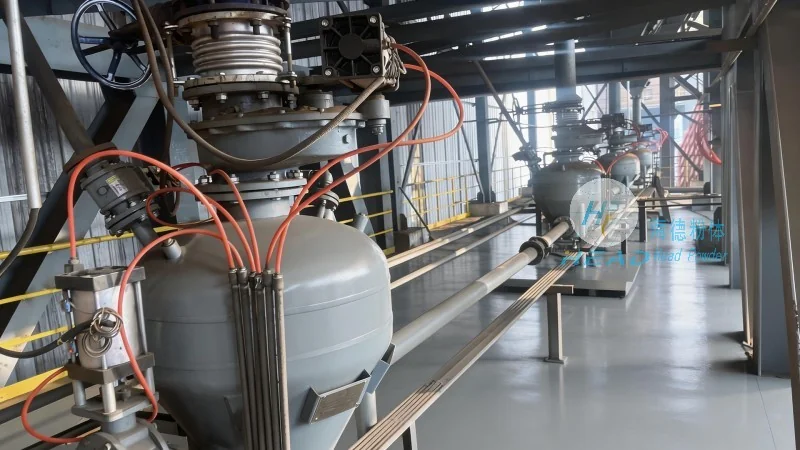
System Overview and Core Components
At the heart of a high-pressure dilute-phase pneumatic conveying system are several key components that work in tandem to achieve material transport. The primary elements include a high-pressure air compressor, a material feeder, a pipeline network, and a receiver or discharge unit. The compressor generates the necessary pressure to move the material, while the feeder introduces the bulk material into the system. The pipeline, often made of durable materials like stainless steel or special alloys, ensures the material remains in a dilute phase—meaning the material particles are dispersed in the air rather than forming a dense, slurry-like mixture. This dilute-phase operation is critical for maintaining system efficiency and preventing blockages.
Working Principle: The Step-by-Step Process
The operation of a high-pressure dilute-phase pneumatic conveying system follows a systematic sequence of steps. First, the high-pressure air compressor builds up pressure in the system, typically ranging from 0.5 to 1.5 MPa, depending on the material characteristics and pipeline length. Simultaneously, the material feeder, which can be a rotary valve, screw feeder, or other type, introduces the bulk material into the pipeline. As the material enters the pipeline, it is entrained by the high-velocity air stream, creating a suspension of particles in the air. This suspension travels through the pipeline to the discharge point, where the air and material are separated. The air is typically filtered and recycled back to the compressor, while the material is collected in the receiver or discharged to the final destination.
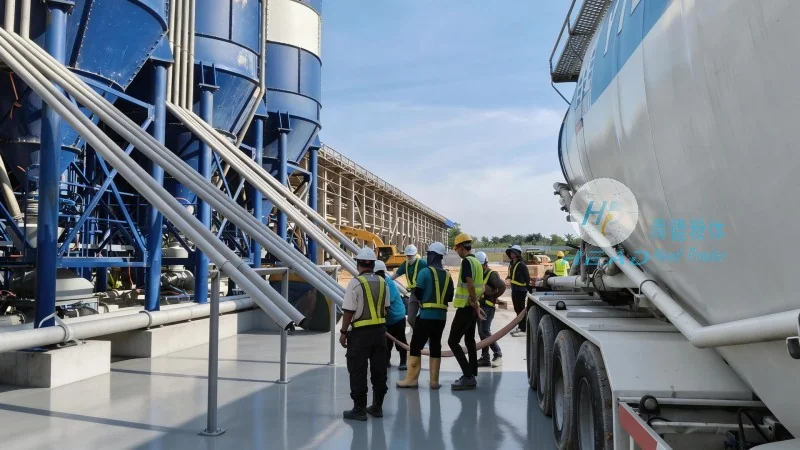
Key Advantages and Applications
High-pressure dilute-phase pneumatic conveying systems offer several advantages over traditional conveying methods, such as belt conveyors or bucket elevators. These systems are particularly effective for transporting fine powders, granules, and other bulk materials that are prone to dusting or caking. The dilute-phase operation minimizes material degradation, reduces the risk of blockages, and allows for flexible routing of the pipeline. Additionally, the system can handle materials with varying properties, including abrasive or corrosive substances, due to the use of high-quality materials in the construction of the pipeline and components. Industries that benefit from this technology include food processing, pharmaceuticals, chemicals, and mining, where precise and hygienic material transfer is essential.
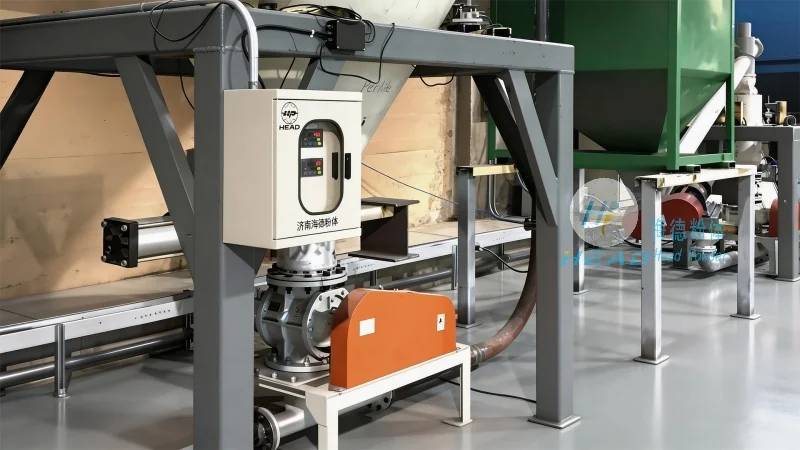
Operational Considerations and Maintenance
While high-pressure dilute-phase pneumatic conveying systems are efficient, proper operation and maintenance are crucial for optimal performance. Regular maintenance of the compressor, including oil changes and filter replacements, ensures consistent pressure levels. The material feeder must be adjusted to maintain the correct material feed rate, preventing overloading or underloading of the system. Additionally, the pipeline should be inspected periodically for signs of wear or damage, as high-pressure operation can cause stress on the components. Proper filtration of the air is also important to prevent dust accumulation in the system and to protect downstream equipment. By adhering to these operational guidelines, users can maximize the lifespan and efficiency of the system.
Conclusion
High-pressure dilute-phase pneumatic conveying systems, as exemplified by the equipment from Shandong HeadPowder Engineering Co., Ltd., provide a reliable and efficient solution for bulk material transport. The system's working principle, centered on pressurized air and dilute-phase material suspension, enables smooth and continuous operation, making it suitable for a wide range of industrial applications. With proper maintenance and operational management, these systems can deliver consistent performance, reducing downtime and operational costs for users. As a leading manufacturer based in China, Shandong HeadPowder Engineering Co., Ltd. continues to innovate in this field, offering advanced solutions that meet the evolving needs of the industry.