

Operation Process and Working Principle of Biomass Powder Conveying Systems
Understanding the operation process and working principle of biomass powder conveying systems is crucial for optimizing material handling in various industrial applications. These systems are designed to efficiently transport biomass powders, which are derived from organic materials such as wood chips, agricultural residues, and other renewable resources. The effectiveness of these systems directly impacts production efficiency, safety, and overall operational costs in facilities that process biomass for energy, biofuels, or other value-added products. Shandong HeadPowder Engineering Co., Ltd. (headpowder), a leading provider of material handling solutions, specializes in designing and manufacturing such systems tailored to the specific needs of biomass processing industries.
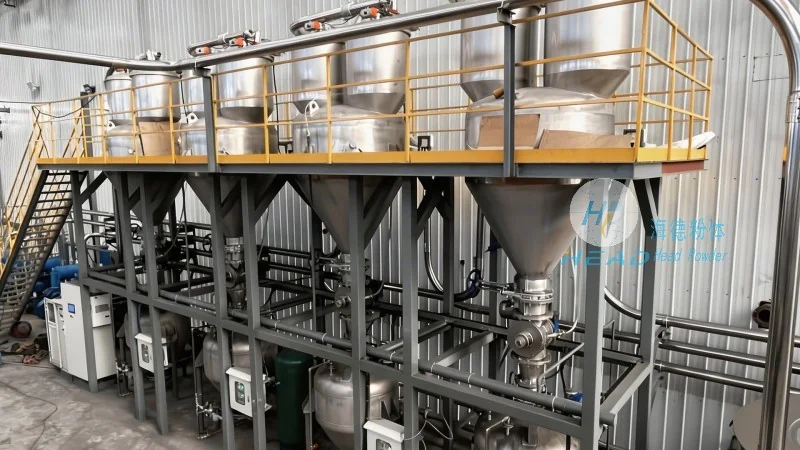
Key Components and Their Roles in Biomass Powder Conveying
The biomass powder conveying system typically consists of several key components that work in tandem to ensure smooth material transport. The primary components include a hopper for material storage, a feeder to control the flow rate, a conveyor mechanism (such as a screw conveyor, pneumatic conveyor, or belt conveyor), and a control system to regulate the entire process. Each component plays a vital role in maintaining the integrity of the biomass powder and preventing issues like clogging or degradation. The hopper is designed to hold a sufficient quantity of material to ensure continuous operation, while the feeder regulates the flow to match the conveyor's capacity. The conveyor mechanism then transports the material through the system, and the control system monitors and adjusts parameters to maintain optimal performance.
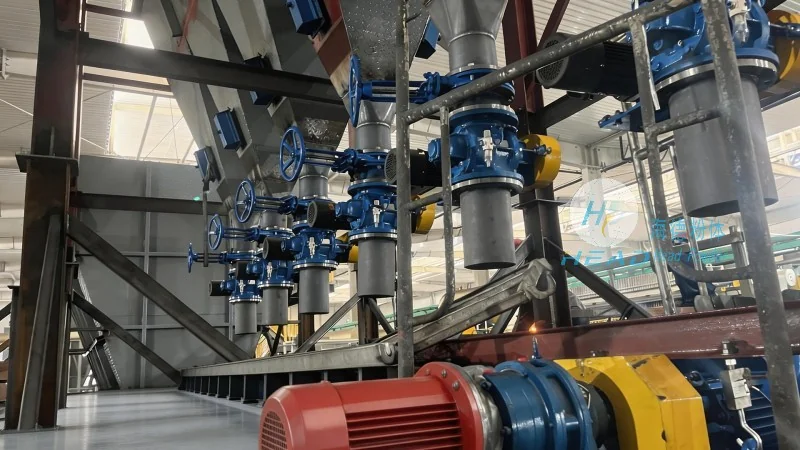
Operation Process of Biomass Powder Conveying Systems
The operation process of a biomass powder conveying system begins with the loading of raw biomass materials into the hopper. The feeder then regulates the flow of material from the hopper into the conveyor. Depending on the system design, the conveyor may use mechanical force (e.g., screw rotation) or pneumatic pressure to move the powder through the system. The control system monitors parameters such as flow rate, pressure, and temperature to ensure optimal performance. As the material is conveyed, it may pass through additional processing steps, such as drying or screening, before reaching the final destination, such as a storage silo or processing unit. This continuous process allows for efficient and consistent material handling, reducing downtime and improving overall productivity.
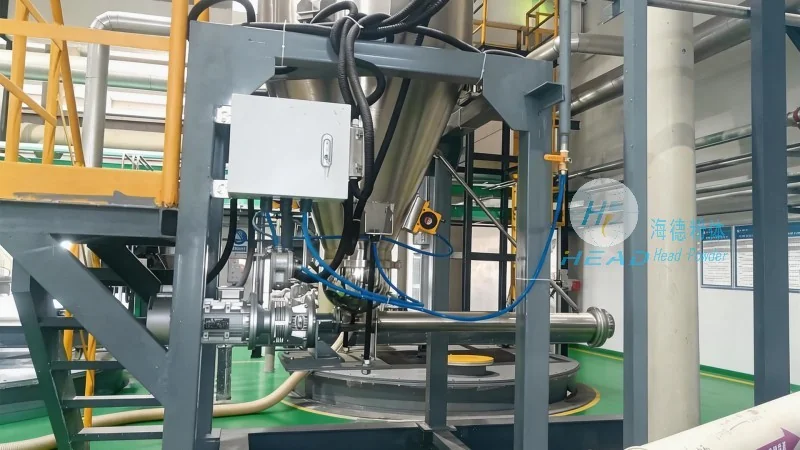
Working Principle of Biomass Powder Conveying Systems
The working principle of biomass powder conveying systems is based on the principles of fluidization and mechanical transport. In pneumatic conveying systems, for example, compressed air is used to create a flow that lifts and transports the powder particles. The air velocity and pressure are carefully controlled to prevent particle segregation or agglomeration. In mechanical conveying systems, such as screw conveyors, the rotating screw pushes the powder forward, similar to how a screw moves through a substance. The design of the conveyor components, including the pitch and diameter of the screw or the size of the air ducts, is critical to achieving efficient and consistent transport. The working principle also involves maintaining the flow characteristics of the biomass powder, which can be influenced by factors like moisture content and particle size distribution.
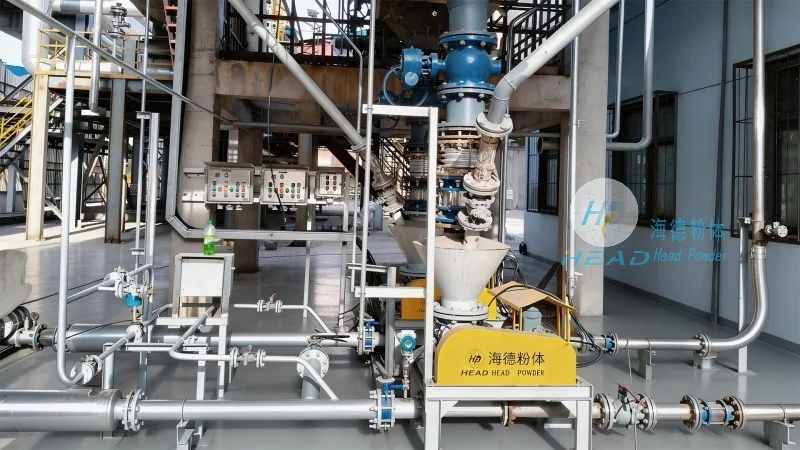
Importance of Proper System Design and Maintenance
Proper design and regular maintenance are essential for the reliable operation of biomass powder conveying systems. Factors such as the particle size distribution, moisture content, and bulk density of the biomass powder influence the choice of conveyor type and system configuration. For instance, fine powders may require pneumatic conveying to avoid clogging, while larger particles might be better suited for mechanical conveyors. Regular maintenance, including cleaning of hoppers and conveyors, checking for wear and tear, and ensuring proper air filtration, helps to prevent downtime and extend the lifespan of the equipment. Shandong HeadPowder Engineering Co., Ltd. emphasizes the importance of tailored system design and ongoing maintenance to ensure long-term performance and reliability.