

Operation Process and Working Principle of Quicklime Material Handling Systems
HeadPowder, a leading engineering company based in Shandong, China, specializes in the design, manufacturing, and implementation of advanced quicklime material handling systems. These systems are engineered to efficiently transport quicklime, a crucial industrial material used in various applications such as flue gas desulfurization, steel production, and chemical manufacturing. The following article provides a detailed overview of the operation process and working principle of these systems, highlighting their key components, operational steps, and the technical mechanisms that ensure reliable and efficient material transport.
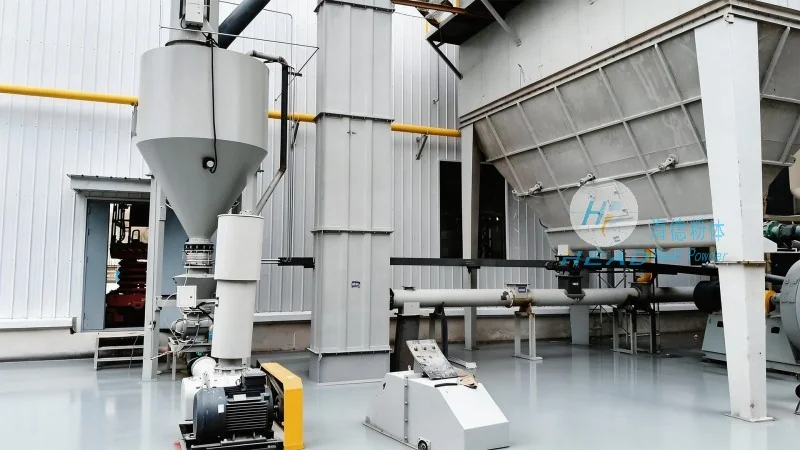
System Overview and Key Components
The quicklime material handling system typically consists of several integrated components that work in tandem to achieve seamless material transport. The primary components include a hopper for material storage, a conveyor system (such as a belt conveyor or screw conveyor) for transporting the material, a feeding mechanism to regulate the flow of quicklime, and a control panel for monitoring and adjusting the system's operation. Additionally, the system may incorporate safety features like overload protection, temperature sensors, and dust suppression systems to ensure safe and efficient operation. Each component is carefully designed to handle the unique properties of quicklime, which is a dry, powdery or granular material that can be abrasive and reactive under certain conditions.
Startup and Initial Preparation Process
The operation of the quicklime material handling system begins with a series of preparatory steps to ensure the system is ready for safe and efficient operation. First, the system is inspected for any blockages or obstructions in the hopper, conveyor, or feeding mechanisms. This inspection is crucial to prevent material buildup that could lead to system downtime or equipment damage. Next, the system is powered on, and the control panel is used to initialize the conveyor and feeding mechanisms. The control panel allows operators to set the desired speed and flow rate of the material transport, which are critical parameters that affect the system's performance and efficiency. During this phase, the system may also perform self-diagnostic checks to verify that all components are functioning correctly. Once the initial checks are completed and the system is confirmed to be in good working condition, the feeding mechanism is activated to start the flow of quicklime from the hopper into the conveyor system.
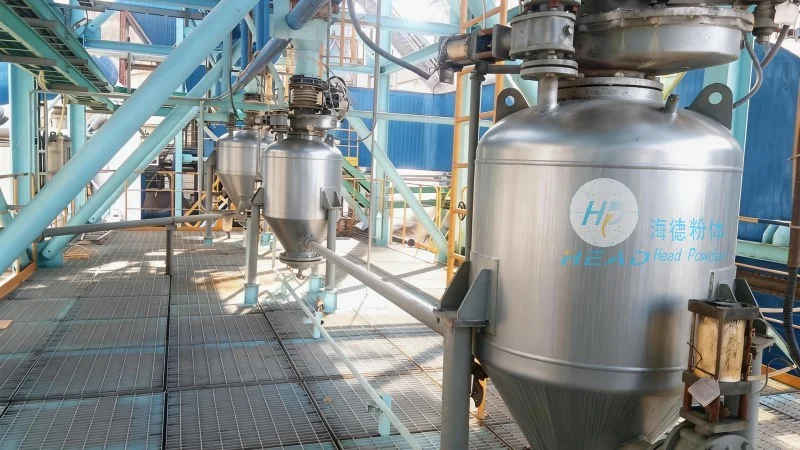
Material Transport and Conveyor Operation
Once the feeding mechanism is activated, quicklime is introduced into the conveyor system, which then transports the material to the desired destination. The conveyor system, whether a belt conveyor or a screw conveyor, is designed to handle the specific characteristics of quicklime, such as its dryness and potential for dust generation. Belt conveyors are commonly used for bulk material transport due to their high capacity and ability to handle long distances. The belt is typically made of a durable material, such as rubber or PVC, that can resist abrasion from the quicklime particles. The screw conveyor, on the other hand, is ideal for transporting quicklime in a more controlled manner, especially when the material needs to be mixed or blended with other substances. The screw mechanism rotates to push the material forward, ensuring a consistent flow rate and preventing material segregation. Throughout the transport process, the system's control panel continuously monitors the flow rate and speed of the conveyor, adjusting them as needed to maintain optimal performance. This real-time monitoring helps to prevent overloading or underloading of the conveyor, which could lead to system inefficiencies or equipment wear.
Control and Monitoring Mechanisms
The quicklime material handling system is equipped with advanced control and monitoring mechanisms to ensure precise operation and safety. The control panel, which is typically located in a central control room or on-site, allows operators to monitor the system's status in real time. This includes displaying the current flow rate, conveyor speed, and material level in the hopper. The control panel also provides alerts and alarms for any abnormal conditions, such as high temperature, overloading, or blockages. These alerts help operators to take immediate action to prevent system failures or accidents. Additionally, the system may incorporate automated control features, such as variable frequency drives (VFDs), which adjust the motor speed of the conveyor to match the required flow rate. This not only improves energy efficiency but also allows for smoother and more consistent material transport. The monitoring system may also include sensors that detect the presence of dust or other contaminants, triggering the activation of dust suppression systems to maintain a safe working environment. Overall, the control and monitoring mechanisms play a critical role in ensuring the reliable and efficient operation of the quicklime material handling system.
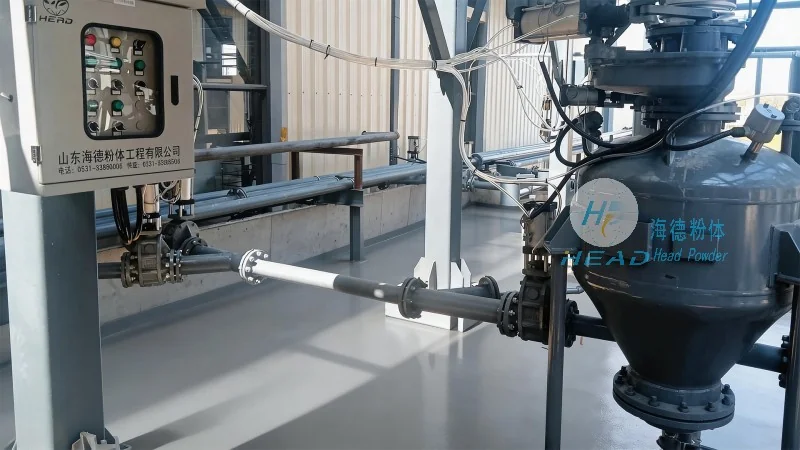
Maintenance and Safety Considerations
To ensure the long-term performance and safety of the quicklime material handling system, regular maintenance and adherence to safety protocols are essential. The system requires periodic inspections and maintenance to prevent wear and tear on components such as the conveyor belt, screw mechanism, and feeding mechanisms. This includes checking for signs of abrasion, wear, or damage, and replacing parts as needed. The hopper and conveyor system should also be cleaned regularly to remove any accumulated quicklime, which can affect the system's efficiency and cause blockages. Safety is a top priority in the operation of these systems, as quicklime can be a respiratory irritant and cause skin irritation. The system is equipped with safety features such as dust suppression systems, which reduce the risk of dust exposure. Additionally, operators must follow proper safety procedures, such as wearing protective equipment and following lockout/tagout procedures when performing maintenance. By adhering to these maintenance and safety guidelines, the quicklime material handling system can operate reliably and safely for extended periods, providing consistent and efficient material transport for industrial applications.
Conclusion
The quicklime material handling system developed by HeadPowder is a sophisticated and reliable solution for the efficient transport of quicklime in industrial settings. Through its integrated components, precise control mechanisms, and robust design, the system ensures that quicklime is transported safely and efficiently from the storage hopper to the processing equipment. The operation process, which includes startup, material transport, and monitoring, is carefully designed to optimize performance and minimize downtime. By adhering to proper maintenance and safety protocols, the system can provide long-term service, making it an essential component in various industrial applications. HeadPowder's expertise in engineering and manufacturing ensures that these systems are tailored to meet the specific needs of each client, providing a customized solution for their quicklime handling requirements.