

Operation Process and Working Principle of Copper Oxide Material Handling Systems
Understanding the operation process and working principle of copper oxide material handling systems is crucial for optimizing industrial processes in various sectors. These systems are designed to efficiently transport copper oxide, a vital material used in multiple applications, from one location to another within industrial facilities. The effective management of copper oxide handling ensures safety, efficiency, and compliance with operational standards.
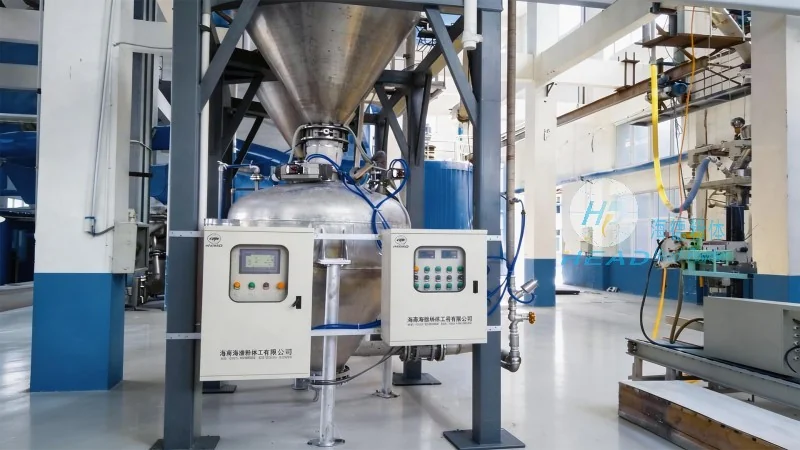
Company Overview: Shandong HeadPowder Engineering Co., Ltd.
HeadPowder, as the name suggests, specializes in engineering solutions for material handling, particularly for copper oxide and related materials. With its headquarters in Shandong, China, the company has established itself as a reliable provider of advanced material handling systems. The company’s expertise lies in designing, manufacturing, and implementing systems that meet the specific needs of clients in industries such as mining, chemical processing, and manufacturing.
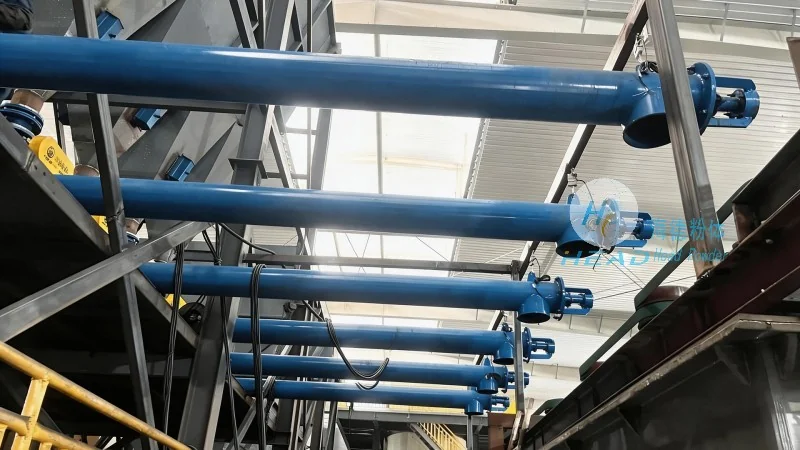
Key Components of Copper Oxide Material Handling Systems
The copper oxide material handling system typically comprises several key components that work in tandem to ensure smooth operation. These components include feeders, conveyors, storage silos, and control systems. Each component plays a critical role in the overall functionality of the system. For instance, feeders are responsible for evenly distributing the copper oxide material into the conveyor system, preventing blockages and ensuring consistent flow. Conveyors, which can be of various types like belt conveyors or screw conveyors, transport the material over long distances or to different processing units. Storage silos are used to store the copper oxide material in bulk, providing a buffer for production needs and maintaining a steady supply. Control systems, often integrated with sensors and automation technology, monitor the flow of material, adjust the speed of conveyors, and alert operators to any anomalies or maintenance needs.
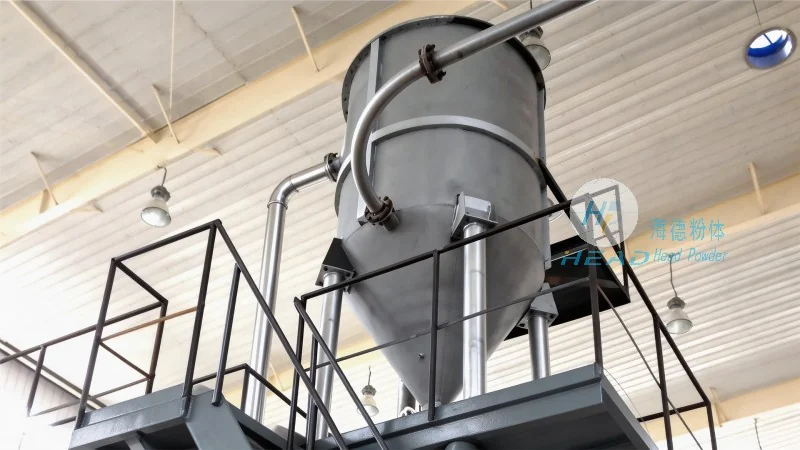
Operation Process of Copper Oxide Material Handling Systems
The operation process of a copper oxide material handling system begins with the loading of raw copper oxide material into the storage silo. The material is then released from the silo into the feeder, which evenly distributes it onto the conveyor belt. The conveyor system transports the material to the processing or packaging area. During this process, the system may include intermediate storage or processing steps, such as mixing or screening, depending on the specific requirements of the application. The material is then transferred to the next stage of production or stored in another silo for future use. The entire operation is controlled by a central control system that manages the speed of conveyors, the level of material in the silos, and the overall flow of the process. This ensures that the system operates efficiently and safely, minimizing downtime and maximizing productivity.
Working Principle of Copper Oxide Material Handling Systems
The working principle of copper oxide material handling systems is based on mechanical and hydraulic principles to move the material from one point to another. The system uses gravity and mechanical force to transport the material. In belt conveyors, for example, the material is placed on a moving belt that is driven by a motor. The belt moves the material forward, and the speed of the belt can be adjusted to control the flow rate. Screw conveyors use a rotating screw to push the material forward, which is ideal for handling materials that are sticky or have a high moisture content. The control system monitors the pressure and flow of the material, ensuring that the system operates within safe limits. Sensors are used to detect the level of material in the silos and conveyors, providing real-time data to the control system. This data is used to adjust the operation of the system, ensuring that it operates efficiently and safely.
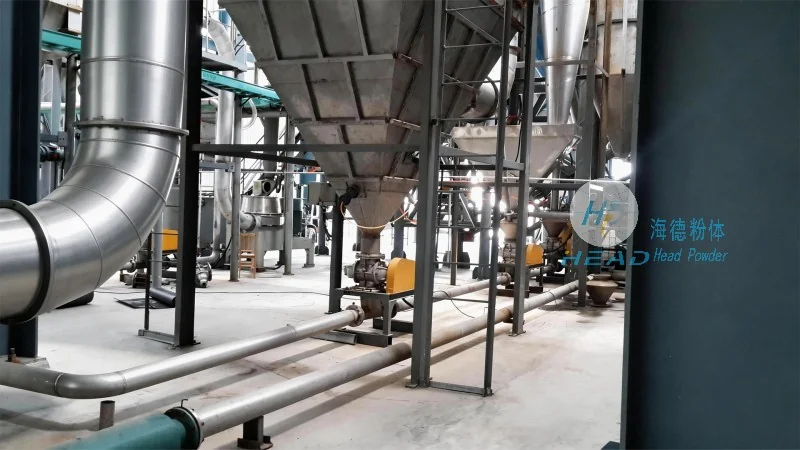
Benefits of Using Copper Oxide Material Handling Systems
Implementing copper oxide material handling systems offers several benefits to industrial operations. Firstly, these systems enhance safety by reducing the risk of manual handling of copper oxide, which can be hazardous. Secondly, they improve efficiency by automating the material handling process, reducing labor costs and increasing productivity. Thirdly, they ensure consistent quality by maintaining a steady flow of material and preventing contamination. Additionally, the systems are designed to be scalable, allowing them to adapt to changing production needs. The use of advanced control systems and sensors also enables real-time monitoring and data analysis, helping to identify potential issues and optimize performance.