

Operation Process and Working Principle of Silicon Carbide Material Handling Systems
At Shandong HeadPowder Engineering Co., Ltd., we specialize in the design, manufacturing, and integration of advanced material handling solutions tailored for silicon carbide (SiC) processing. Our systems are engineered to meet the stringent demands of modern industrial applications, ensuring efficient, reliable, and safe material transport from raw material storage to processing units. This article provides a detailed overview of the operation process and working principle of our carbonization silicon material handling systems, highlighting key components, operational sequences, and technical advantages.
Key Components of the Material Handling System
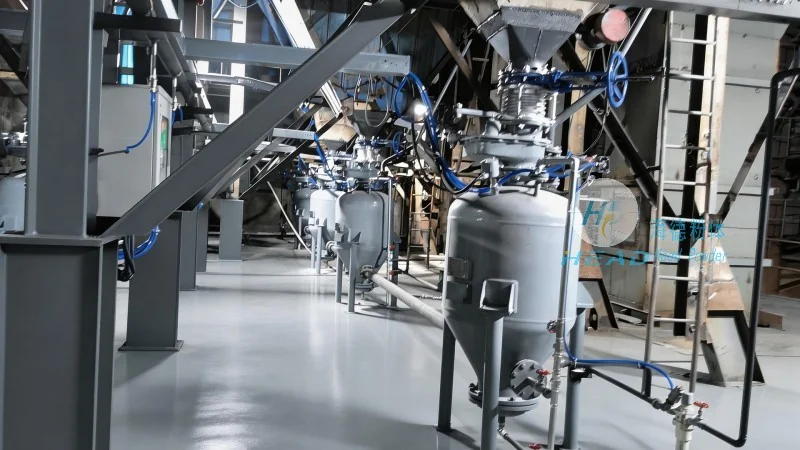
The carbonization silicon material handling system comprises several critical components that work in concert to achieve seamless material transport. These include bulk material storage silos, conveying equipment such as screw conveyors or pneumatic transport systems, feeding mechanisms, and control panels. Each component is meticulously designed to handle the abrasive and high-temperature characteristics of silicon carbide, ensuring durability and minimal maintenance. The storage silos are typically constructed from corrosion-resistant materials like stainless steel or special alloys to prevent material degradation and contamination. Conveying equipment is equipped with wear-resistant liners and specialized drive systems to withstand the abrasive nature of SiC particles, which can cause significant wear on standard equipment. Feeding mechanisms, often integrated with level sensors and flow control valves, regulate the discharge rate of material from the silos, maintaining consistent feed to downstream processing equipment. Control panels, equipped with advanced PLC (Programmable Logic Controller) systems, monitor and control all operational parameters, providing real-time feedback and automated adjustments to optimize system performance.
Operation Process of the Material Handling System
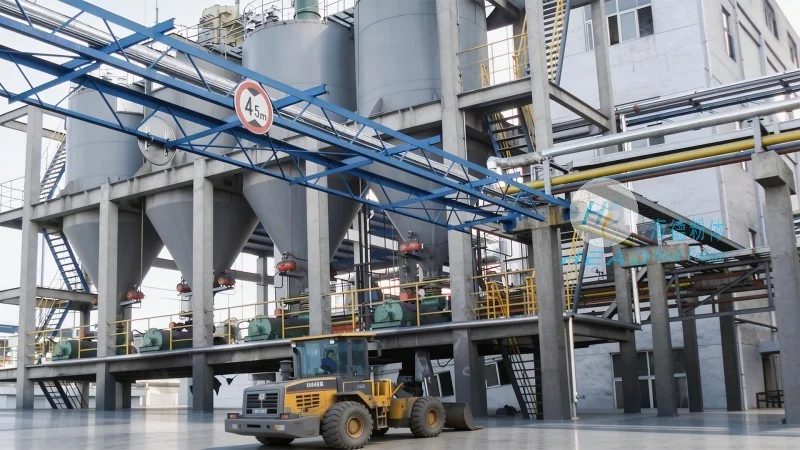
The operation of the carbonization silicon material handling system follows a systematic sequence of steps, each designed to ensure efficient material flow and minimal downtime. The process begins with the loading of raw silicon carbide into the storage silos. This is typically done via a loading hopper or direct transfer from bulk transport vehicles, with the material being weighed and recorded for inventory management. Once the silos are filled, the system transitions to the conveying phase. The control panel initiates the start of the conveying process, activating the appropriate conveying equipment based on the required material flow rate. For example, if a screw conveyor is used, the motor drives the screw, pushing the SiC particles forward through the conveyor tube. Pneumatic transport systems, on the other hand, use compressed air to create a flow of material through a pipeline, which is particularly effective for handling fine or dusty SiC powders. During the conveying process, level sensors in the silos continuously monitor the material level, automatically adjusting the feed rate to maintain a consistent inventory. If the silo level drops below a preset threshold, the system triggers a refill signal, prompting the loading operation to resume. The conveyed material is then directed to the feeding mechanism, which regulates the discharge into the processing equipment. This feeding stage is critical for maintaining stable operation in downstream processes, such as mixing, grinding, or sintering, where consistent material input is essential. The control panel also monitors temperature and pressure parameters in the conveying lines, preventing overheating or blockages that could disrupt the process. In the event of an anomaly, such as a blockage or excessive temperature, the system automatically shuts down and alerts operators, allowing for prompt troubleshooting and resolution.
Working Principle of the Material Handling System
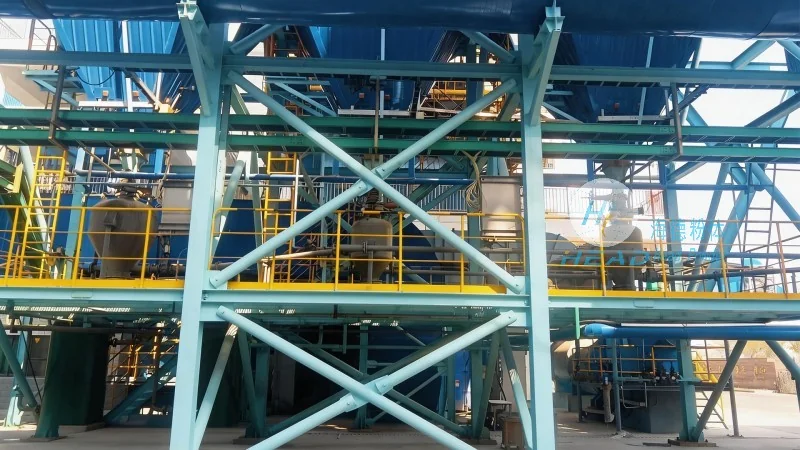
The working principle of the carbonization silicon material handling system is based on the principles of mechanical and pneumatic transport, tailored to the unique properties of silicon carbide. The system operates on a closed-loop control mechanism, where each component communicates with the central control panel to ensure synchronized operation. The storage silos act as buffer units, storing raw material and regulating the flow rate to downstream equipment. The conveying equipment transfers the material from the silos to the feeding mechanisms, using either mechanical force (for screw conveyors) or air pressure (for pneumatic systems). The feeding mechanisms then control the precise amount of material released into the processing units, ensuring consistent feed rates. The control panel, equipped with sensors and actuators, monitors all operational parameters and adjusts the system in real time. For instance, if the material flow rate in the conveying line decreases, the control panel increases the motor speed or air pressure to maintain the desired flow. Similarly, if the temperature in the conveying line rises, the system activates cooling mechanisms or adjusts the material feed rate to prevent overheating. The system also incorporates safety features, such as emergency stop buttons and overload protection, to prevent accidents and equipment damage. The overall working principle emphasizes efficiency, reliability, and safety, ensuring that the material handling process is optimized for the specific requirements of silicon carbide processing.
Technical Advantages and Applications
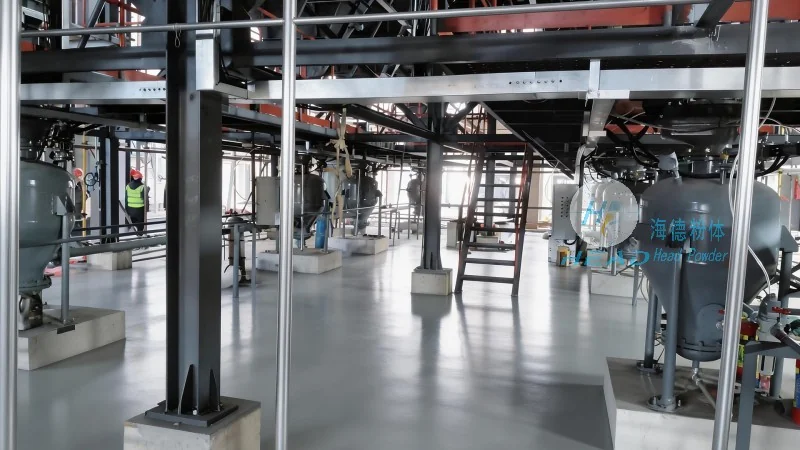
Our carbonization silicon material handling systems offer several technical advantages that make them ideal for industrial applications. The use of wear-resistant materials and components ensures long service life and minimal maintenance, reducing operational costs. The closed-loop control system provides precise control over material flow, improving process consistency and product quality. The system is also designed for flexibility, allowing for easy integration with existing processing lines and scalability to accommodate varying production volumes. These advantages make our systems suitable for a wide range of applications, including the production of silicon carbide refractory materials, abrasive products, and semiconductor components. In the refractory industry, the system efficiently transports SiC raw materials to mixing and sintering units, ensuring uniform material composition and consistent product properties. In the abrasive industry, the system handles fine SiC powders for grinding and polishing applications, providing a reliable supply of material to production lines. In the semiconductor industry, the system transports high-purity SiC powders for wafer manufacturing and other advanced applications, where material purity and consistency are critical. The versatility of our systems makes them a valuable asset for manufacturers seeking to enhance their production efficiency and product quality.