

Operation Process and Working Principle of Coated Sand Material Handling Systems
Coated sand material handling systems are critical components in foundry production, ensuring efficient and reliable transportation of coated sand from storage to the molding line. The system's design and operation are tailored to meet the specific demands of sand handling, including bulk material movement, storage management, and precise delivery to casting processes. This article provides a detailed overview of the operation process and working principles of such systems, highlighting key components, operational steps, and the role of advanced engineering in optimizing sand handling efficiency. Developed by Shandong HeadPowder Engineering Co., Ltd. (headpowder), these systems are engineered to deliver high performance and reliability in foundry operations.
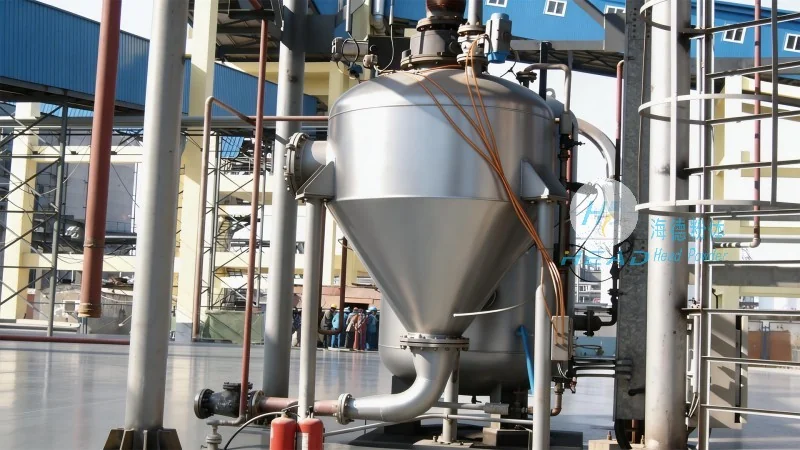
Key Components of the Material Handling System
The coated sand material handling system typically consists of several interconnected components that work in harmony to achieve seamless sand transport. These components include bulk material storage silos or hoppers, conveyor systems (such as belt conveyors or screw conveyors), feeding mechanisms, and control systems. Each component plays a vital role in the overall functionality of the system. For instance, storage silos are designed to hold large quantities of coated sand, ensuring a consistent supply to the conveyor system. The conveyor system then transports the sand from the storage area to the feeding point. The feeding mechanism then regulates the flow rate to match production requirements. As the sand moves through the system, it may pass through additional processing stages, such as screening or conditioning, to ensure uniformity and quality. The final step involves delivering the sand to the molding machine, where it is used to create sand molds for casting. This step-by-step process ensures that the coated sand is handled with precision, maintaining its properties and ensuring consistent quality in the final casting products.
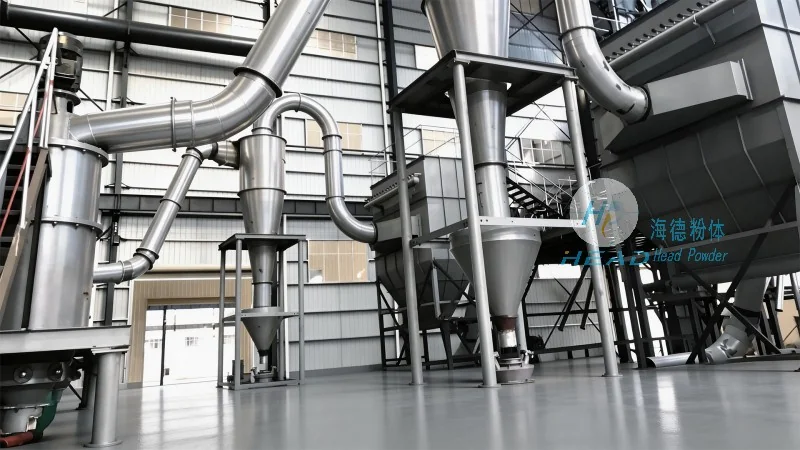
Operation Process: Step-by-Step Overview
The operation of a coated sand material handling system follows a systematic sequence of steps, each designed to ensure efficient sand movement and minimize waste. The process begins with the loading of coated sand into the storage silo. This is typically done using a loading hopper or a direct feed from a sand mixing and coating unit. Once the silo is filled, the conveyor system activates, drawing sand from the silo and transporting it to the feeding point. The feeding mechanism then regulates the sand flow, controlling the amount delivered to the molding line. As the sand moves through the system, it may pass through additional processing stages, such as screening or conditioning, to ensure uniformity and quality. The final step involves delivering the sand to the molding machine, where it is used to create sand molds for casting. This step-by-step process ensures that the coated sand is handled with precision, maintaining its properties and ensuring consistent quality in the final casting products.
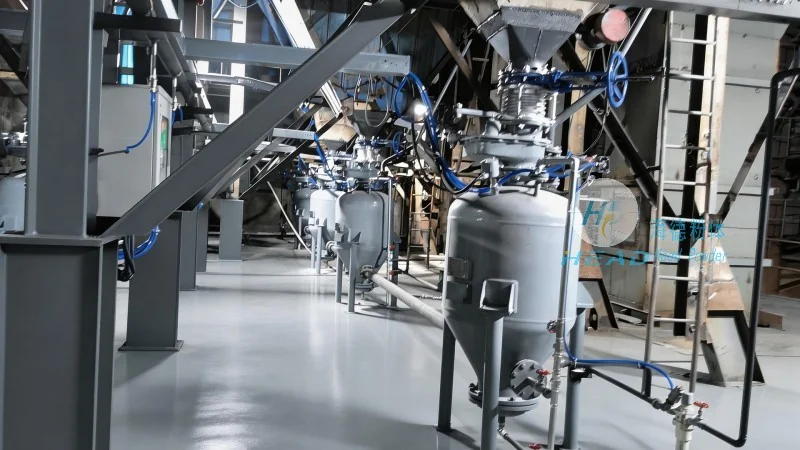
Working Principles: How the System Functions
The working principles of the coated sand material handling system are based on mechanical and pneumatic systems, with advanced automation to enhance efficiency. The core principle is the use of gravity and mechanical force to move bulk material. The storage silo, positioned at an elevated height, allows gravity to assist in the flow of sand into the conveyor system. The conveyor system, powered by electric motors, moves the sand along a path that connects the storage and molding areas. Feeding mechanisms, such as rotary valves or screw feeders, control the discharge rate, ensuring that the sand is delivered at the correct speed to match the molding machine's requirements. Sensors are integrated into the system to monitor parameters like flow rate, pressure, and level, providing real-time data to the control system. The control system uses this data to adjust the operation of the conveyor and feeding mechanisms, maintaining a stable and efficient flow of coated sand. This integrated approach ensures that the system operates smoothly, minimizing the risk of blockages, overflows, or underflow, and optimizing the overall performance of the foundry's sand handling operations.
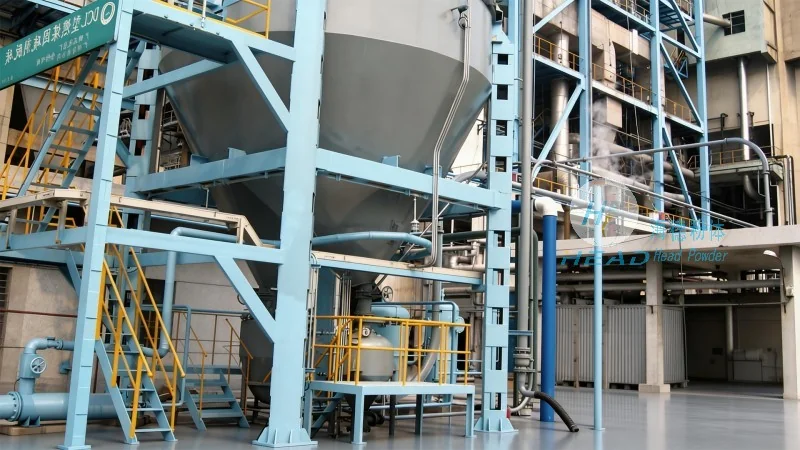
Role of Advanced Engineering in System Optimization
Advanced engineering plays a crucial role in optimizing the performance of coated sand material handling systems. Engineers design the system to meet specific production requirements, considering factors such as sand volume, production rate, and space constraints. The use of high-quality materials, such as corrosion-resistant steel for silos and durable conveyor belts, ensures the system's longevity and reliability. Additionally, the integration of automation and control systems enhances the system's efficiency and reduces the need for manual intervention. For example, the use of PLC (Programmable Logic Controller) systems allows for precise control of the conveyor speed and feeding rate, adapting to changes in production demand. The implementation of sensors and monitoring systems provides real-time feedback, enabling quick detection and resolution of issues. This engineering approach not only improves the system's performance but also reduces operational costs and enhances the overall productivity of the foundry.