

Operation Process and Working Principle of Buckwheat Hull Material Conveying System
HeadPowder, a leading manufacturer based in Shandong, China, specializes in the design and production of advanced material conveying systems tailored for agricultural processing industries. The company's core product, the buckwheat hull material conveying system, is engineered to efficiently handle the unique characteristics of buckwheat hulls, ensuring optimal performance in processing lines. This article delves into the operational process and underlying working principles of this system, highlighting its key components, functional mechanisms, and practical applications.
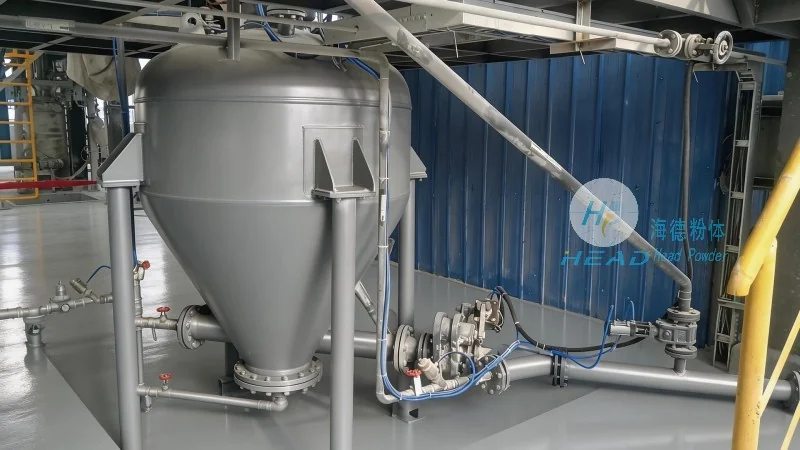
Overview of the Buckwheat Hull Material Conveying System
The buckwheat hull material conveying system is a specialized piece of equipment designed to transport buckwheat hulls from one processing stage to another within a production line. It integrates mechanical, electrical, and control systems to achieve seamless material flow, minimizing downtime and maximizing throughput. The system is built with durability and efficiency in mind, catering to the demands of modern agricultural processing facilities.
Key Components and Their Functions
The buckwheat hull material conveying system comprises several critical components, each playing a vital role in the overall operation. These include: feed hoppers, which receive raw buckwheat hulls and distribute them evenly; conveyor belts or screw conveyors, which transport the material through the system; control panels, which monitor and regulate the system's operation; and discharge mechanisms, which deliver the processed hulls to the next stage. Each component is meticulously designed to handle the abrasive and lightweight nature of buckwheat hulls, ensuring consistent performance and longevity.
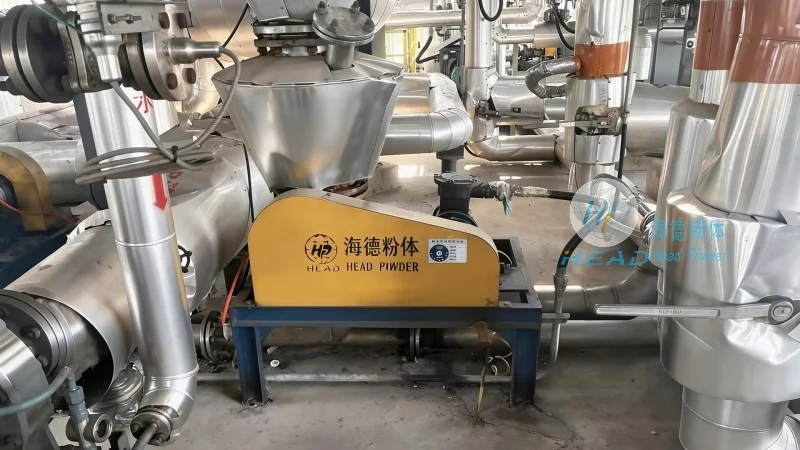
Working Principle of the Conveying Process
The operation of the buckwheat hull material conveying system follows a systematic sequence of steps, each optimized for efficiency and reliability. The process begins with the raw buckwheat hulls being fed into the system via the feed hopper. The material is then evenly distributed across the conveyor surface or screw mechanism, preventing blockages and ensuring uniform movement. As the hulls move through the system, they are guided by the conveyor's design, which may include inclines or curves to adjust the flow direction as needed. The control panel continuously monitors parameters such as speed, pressure, and material level, adjusting the system's operation in real-time to maintain optimal performance. Finally, the processed buckwheat hulls are discharged from the system, ready for further processing or packaging.
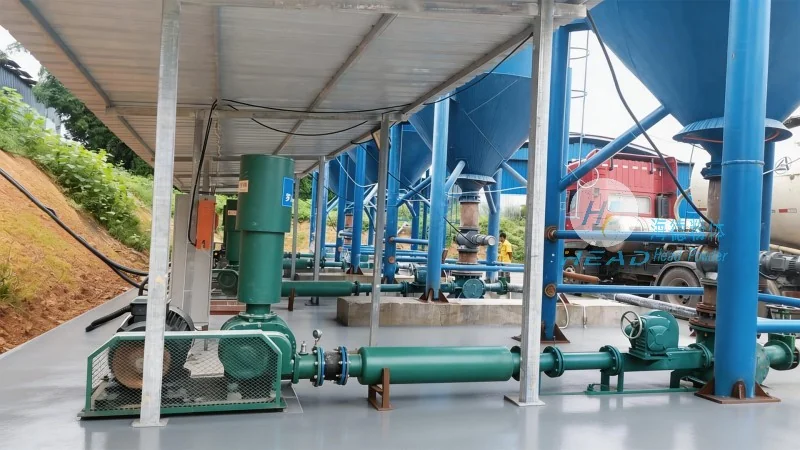
Operational Process Flow
The operational process of the buckwheat hull material conveying system is a continuous cycle that ensures smooth material handling. The sequence starts with the loading of raw buckwheat hulls into the feed hopper. The system then activates, with the conveyor belt or screw mechanism beginning to move the material. As the hulls travel through the system, they undergo a series of transformations, such as cleaning or sorting, depending on the specific processing requirements. The control panel plays a crucial role in managing the speed and direction of the conveyor, ensuring that the material moves at an appropriate rate to prevent clogging or damage. Once the hulls reach the discharge point, they are collected and prepared for the next stage of production. The system then returns to the initial state, ready to receive a new batch of raw material. This cycle repeats continuously, providing a reliable and efficient solution for buckwheat hull handling.
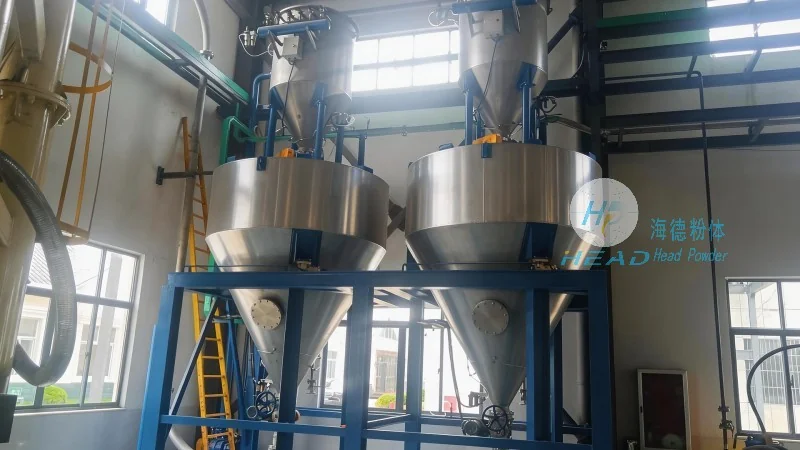
Advantages and Applications
The buckwheat hull material conveying system offers several advantages that make it an ideal choice for agricultural processing facilities. Its ability to handle abrasive materials efficiently reduces wear and tear on components, lowering maintenance costs and extending the system's lifespan. The system's modular design allows for easy integration into existing production lines, minimizing disruption during installation. Additionally, the system's high throughput and consistent performance ensure that processing operations run smoothly, meeting production targets and improving overall productivity. These benefits make the system suitable for a wide range of applications, including buckwheat hull processing for animal feed, biofuel production, or other industrial uses.
Maintenance and Operational Tips
To ensure the longevity and optimal performance of the buckwheat hull material conveying system, regular maintenance and proper operational practices are essential. Routine checks should be performed on all components, including the conveyor belts, screws, and bearings, to identify and address any issues before they escalate. Lubrication of moving parts is crucial to reduce friction and prevent wear. Additionally, cleaning the system regularly, especially after processing different batches of material, helps maintain efficiency and prevents contamination. Operators should also be trained to monitor the system's performance and respond to any abnormalities promptly. By following these maintenance and operational tips, the system can operate at peak efficiency, delivering consistent results and minimizing downtime.