

Operation Process and Working Principle of Diatomite Material Transport Systems
Diatomite, a natural sedimentary rock composed primarily of fossilized diatoms, is widely used in various industrial applications due to its unique properties such as high porosity, low bulk density, and excellent filtration capabilities. The efficient handling and transportation of diatomite are crucial for optimizing production processes in industries like filtration, catalysts, and building materials. This article provides a detailed overview of the operation process and working principle of diatomite material transport systems, highlighting the key components and mechanisms involved in ensuring reliable and efficient material handling. As a leading expert in diatomite processing solutions, Shandong HeadPowder Engineering Co., Ltd. (headpowder) has extensive experience in designing and implementing advanced material transport systems for diatomite applications.
Key Components of Diatomite Material Transport Systems
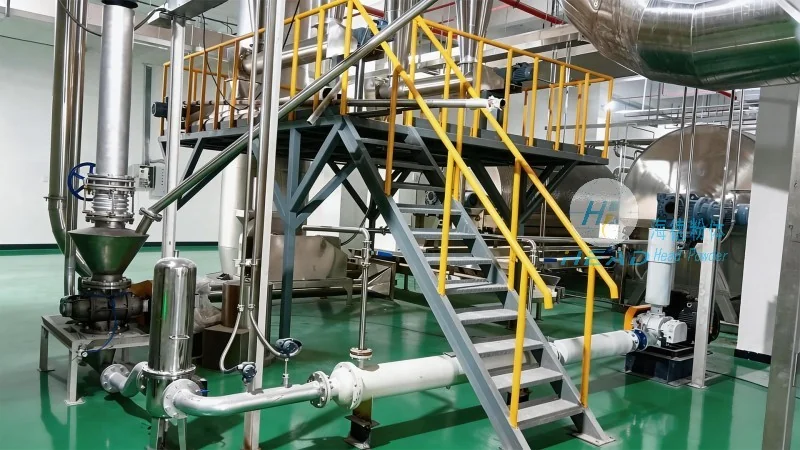
The diatomite material transport system typically consists of several critical components that work in tandem to ensure smooth material flow. These components include feed hoppers, conveyor belts or screw conveyors, pneumatic transport systems, and control panels. The feed hopper is responsible for storing and feeding the diatomite material into the transport system. It is designed to handle bulk quantities of diatomite and maintain a consistent flow rate. The conveyor belt or screw conveyor then transports the diatomite from the hopper to the processing or storage area. For longer distances or more complex layouts, pneumatic transport systems may be employed, which use air pressure to move the diatomite through pipelines. The control panel allows operators to monitor and adjust the system parameters, ensuring optimal performance and preventing issues such as blockages or overloading.
Operation Process of Diatomite Material Transport Systems
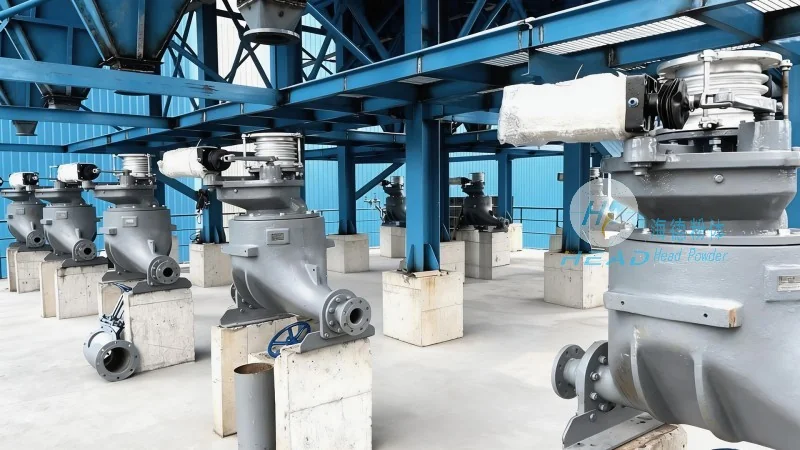
The operation process of a diatomite material transport system begins with the loading of diatomite into the feed hopper. The hopper is equipped with a feeder mechanism, such as a rotary valve or a vibratory feeder, which regulates the flow of material into the conveyor. The conveyor then transports the diatomite to the next stage of the process. In the case of pneumatic transport, the diatomite is introduced into the pipeline through a feeder, and compressed air is used to push the material through the system. The material is then discharged at the receiving end, where it is collected in a storage bin or directly fed into the next production step. Throughout the operation, the control panel continuously monitors parameters such as flow rate, pressure, and temperature to ensure that the system operates within safe and efficient limits. Any deviations from the set parameters are immediately detected and corrected by the control system, preventing potential downtime or damage to the equipment.
Working Principle of Diatomite Material Transport Systems
The working principle of diatomite material transport systems is based on the principles of mechanical and pneumatic transport. In mechanical systems, the conveyor belt or screw conveyor uses friction and gravity to move the diatomite along the path of the system. The speed and inclination of the conveyor are carefully designed to maintain a consistent flow rate and prevent material accumulation or blockages. In pneumatic systems, the diatomite is suspended in a stream of air and transported through the pipeline. The air pressure is maintained at a level sufficient to overcome the resistance of the material and the pipeline, ensuring a smooth and continuous flow. The control system plays a crucial role in maintaining the air pressure and flow rate, adjusting as needed to accommodate changes in material characteristics or system load. The combination of mechanical and pneumatic components allows for flexible and efficient handling of diatomite, adapting to different production requirements and system configurations.
Benefits of Efficient Diatomite Material Transport Systems
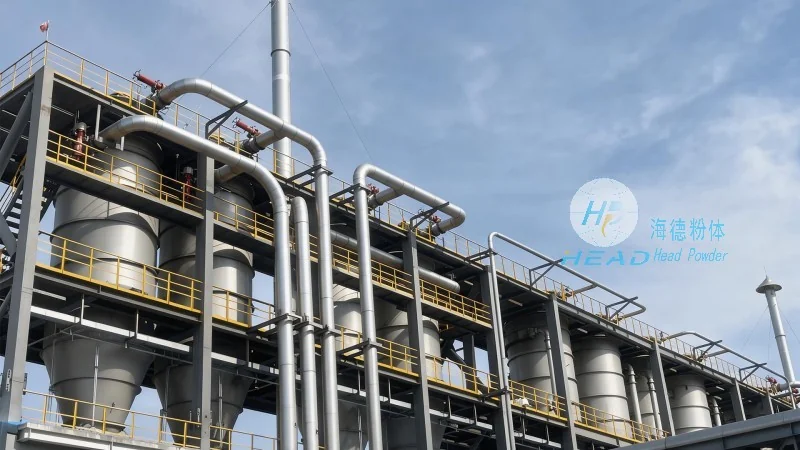
Efficient diatomite material transport systems offer several benefits to industrial operations. Firstly, they improve production efficiency by ensuring a consistent and reliable flow of material, reducing downtime and increasing throughput. Secondly, they enhance safety by minimizing the risk of material spills and accidents, as the system is enclosed and controlled. Thirdly, they reduce energy consumption by optimizing the flow rate and pressure, leading to lower operational costs. Additionally, the use of advanced control systems allows for real-time monitoring and adjustment, enabling operators to quickly respond to changes and maintain optimal performance. These benefits make diatomite material transport systems essential for industries that rely on diatomite as a key raw material.