

Acrylic Esters Rubber Material Conveying Line: Operation Process and Working Principle
Shandong HeadPowder Engineering Co., Ltd., a leading manufacturer based in Shandong, China, specializes in the design and production of advanced material conveying systems. The company's expertise lies in creating efficient and reliable solutions for handling various rubber materials, including acrylic esters rubber, which is widely used in industrial applications due to its excellent resistance to heat, chemicals, and mechanical stress.
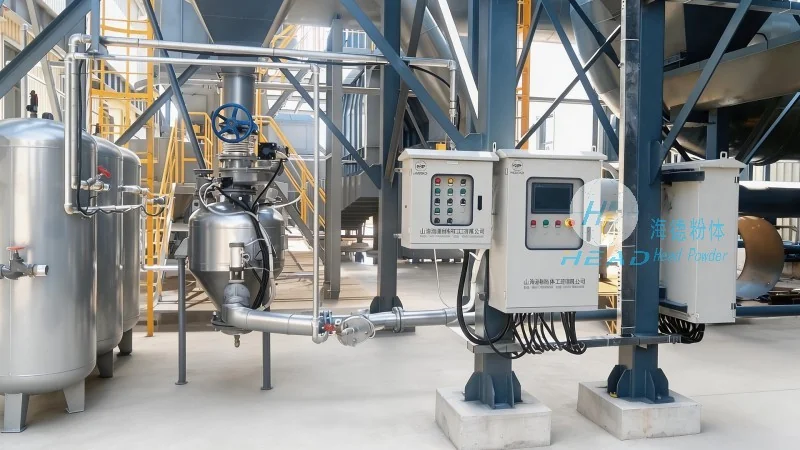
Overview of Acrylic Esters Rubber Material Conveying Line
The acrylic esters rubber material conveying line is a sophisticated industrial system engineered to transport acrylic esters rubber from storage or processing areas to the next stage of production. This line integrates multiple components such as feeders, conveyors, control panels, and safety devices to ensure seamless and safe material handling. The system is tailored to meet the specific requirements of different industrial sectors, including automotive, aerospace, and manufacturing, where precision and durability are critical.
Key Components and Their Functions
The conveying line typically consists of several key components that work in harmony to achieve efficient material transport. The primary components include: (1) Hopper or storage bin: This component holds the acrylic esters rubber and feeds it into the system at a controlled rate. (2) Feeder: The feeder regulates the flow of rubber from the hopper to the conveyor, ensuring a consistent and uniform feed. (3) Conveyor system: This is the core of the line, which may include belt conveyors, screw conveyors, or roller conveyors, depending on the material characteristics and application needs. (4) Drive unit: The drive unit provides the necessary power to move the conveyor, often using electric motors or pneumatic systems. (5) Control panel: The control panel monitors and controls the entire operation, allowing operators to adjust settings and respond to any abnormalities. (6) Safety devices: These include sensors, guards, and emergency stop buttons to ensure the safety of personnel and equipment.
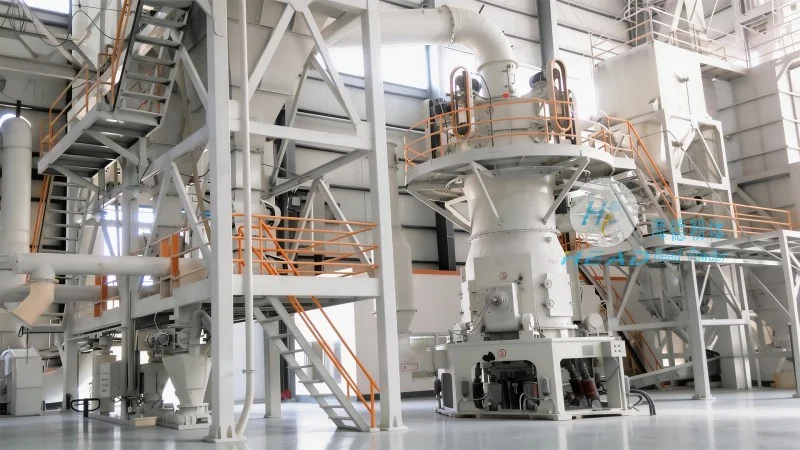
Operation Process of the Conveying Line
The operation of the acrylic esters rubber material conveying line follows a systematic sequence to ensure efficient material handling. The process begins with the loading of acrylic esters rubber into the hopper. The feeder then starts to discharge the rubber at a predetermined rate, feeding it into the conveyor. The conveyor transports the rubber through the system, possibly lifting or moving it to different levels or locations as required. At the end of the conveyor, the rubber is discharged into a collection bin or directly into the next processing equipment. The control panel continuously monitors the flow rate, temperature, and other parameters to maintain optimal operation. If any issues arise, such as blockages or abnormal flow, the system automatically triggers alarms or stops to prevent damage to the equipment or material.
Working Principle of the Conveying Line
The working principle of the acrylic esters rubber material conveying line is based on mechanical and hydraulic systems that work together to move the material. The drive unit converts electrical or pneumatic energy into mechanical energy, which is then transmitted to the conveyor via gears or belts. The conveyor then uses this energy to move the rubber along its path. The feeder ensures that the material is fed at a consistent rate, preventing overloading or underloading of the conveyor. The control panel uses sensors to detect the position and speed of the conveyor and adjusts the drive unit accordingly. The safety devices are integrated into the system to protect against accidental contact or other hazards. Overall, the system operates in a closed loop, where the control panel continuously monitors and adjusts the operation to maintain efficiency and safety.
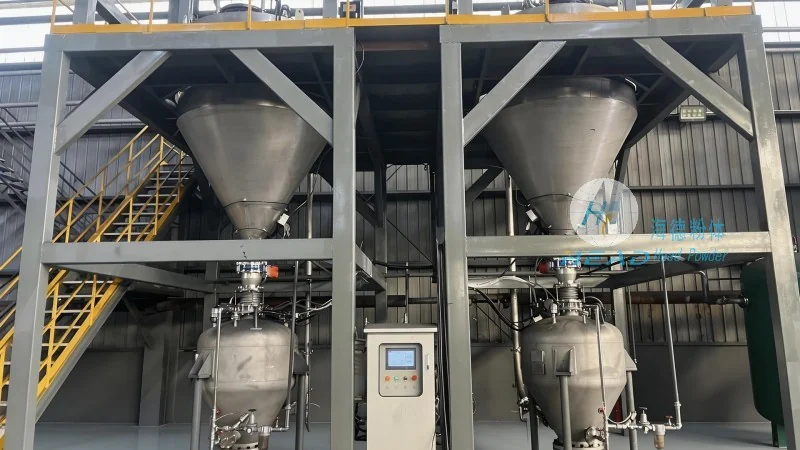
Advantages and Applications
The acrylic esters rubber material conveying line offers several advantages that make it suitable for various industrial applications. Some of the key advantages include: (1) High efficiency: The system can handle large volumes of rubber at a consistent rate, reducing downtime and increasing productivity. (2) Durability: The components are designed to withstand the harsh conditions of rubber handling, such as heat, chemicals, and mechanical stress. (3) Versatility: The system can be customized to meet the specific needs of different applications, including different conveyor types, feeding rates, and control settings. (4) Safety: The integrated safety devices ensure that the operation is safe for personnel and equipment. The applications of this conveying line include the automotive industry for manufacturing seals and gaskets, the aerospace industry for producing rubber components, and the manufacturing industry for handling rubber in various production processes.
Maintenance and Troubleshooting
To ensure the long-term performance and reliability of the acrylic esters rubber material conveying line, regular maintenance is essential. The maintenance schedule should include routine checks of the components, such as the hopper, feeder, conveyor, and drive unit. The control panel and safety devices should also be inspected regularly to ensure they are functioning correctly. If any issues arise, such as blockages or abnormal flow, the system should be stopped immediately and the problem diagnosed and resolved. Common troubleshooting steps include checking the hopper level, adjusting the feeder speed, cleaning the conveyor, and inspecting the drive unit for wear and tear. By following a regular maintenance schedule and addressing issues promptly, the conveying line can operate efficiently and safely for many years.