

Operation Process and Working Principle of Long-Distance Material Handling System Equipment
Long-distance material handling systems are essential in modern industrial operations, enabling the efficient transfer of bulk materials over extended distances. These systems are designed to optimize workflow, reduce labor costs, and enhance overall productivity in various sectors such as mining, construction, and manufacturing. The equipment within these systems operates through a series of coordinated mechanisms that ensure reliable and continuous material movement. Understanding the operation process and working principle of such systems is crucial for operators, engineers, and managers to maintain optimal performance and troubleshoot issues effectively.
Company Overview
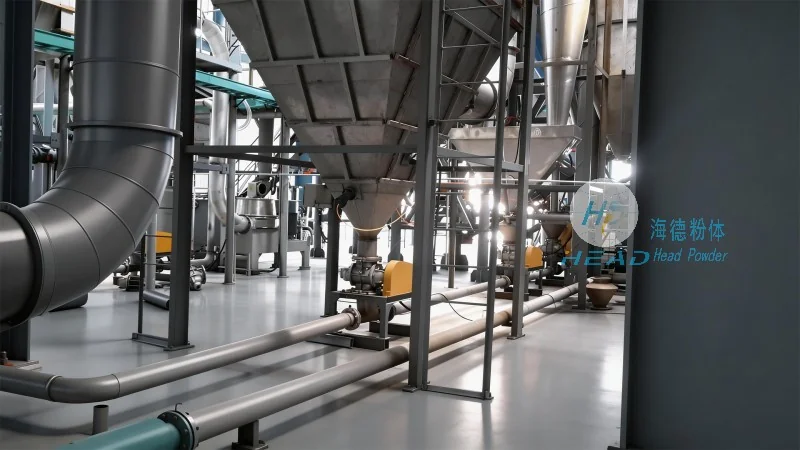
HeadPowder, a leading provider in the field, specializes in the design, manufacturing, and integration of advanced material handling solutions. With a strong presence in Shandong, China, the company has established itself as a trusted partner for businesses seeking reliable long-distance material transport systems. HeadPowder Engineering Co., Ltd. leverages years of industry experience and technological innovation to deliver high-quality equipment tailored to diverse operational needs. The company's commitment to quality and customer satisfaction is reflected in its comprehensive product range and professional service support.
Key Components of Long-Distance Material Handling Systems
Long-distance material handling systems typically consist of several critical components that work in tandem to achieve efficient material transfer. These components include feeders, conveyors, elevators, and control systems. Each component plays a specific role in the overall operation, ensuring smooth and uninterrupted movement of materials. The feeders are responsible for receiving and preparing materials for transport, while conveyors, such as belt conveyors or chain conveyors, provide the primary means of moving materials horizontally or at an incline. Elevators, including bucket elevators or screw conveyors, are used to lift materials vertically, bridging vertical gaps in the system. Control systems, often integrated with sensors and automation technology, monitor and regulate the operation of all components, ensuring safety and efficiency.
Operation Process of Long-Distance Material Handling Systems
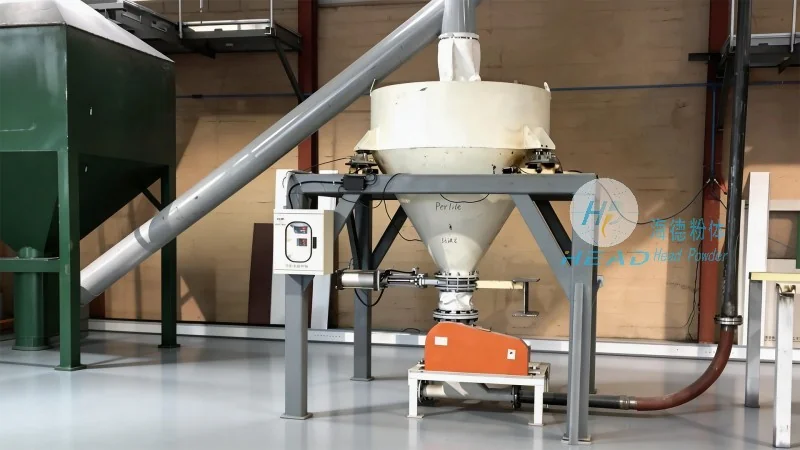
The operation process of a long-distance material handling system begins with the intake of raw materials at the feed point. The feeders then sort and prepare the materials, ensuring they are in the correct state for transport. Next, the conveyor system transports the materials horizontally, possibly over long distances, using rollers or belts to move the load. If vertical movement is required, elevators are engaged to lift the materials to the desired height. The system may include multiple stages, with each stage handling a specific portion of the material transfer. For example, a system might involve a horizontal conveyor to move materials from a storage area to an elevator, which then lifts them to a higher level before transferring them to another conveyor for further transport. The entire process is controlled by the system's control unit, which coordinates the operation of all components based on real-time data and operational parameters. This coordination ensures that materials are moved in a sequential and efficient manner, minimizing downtime and maximizing throughput.
Working Principle of Long-Distance Material Handling Systems
The working principle of long-distance material handling systems is based on mechanical and hydraulic principles, leveraging the force of gravity, friction, and motor power to move materials. The core mechanism involves the transfer of energy from the power source to the transport components, enabling the movement of the material load. In belt conveyors, for instance, a motor drives a pulley, which in turn rotates the belt, carrying the material along its path. The tension in the belt and the friction between the belt and the material ensure that the load is moved smoothly. Elevators, such as bucket elevators, use a rotating drum or chain with attached buckets to lift materials vertically. As the drum rotates, the buckets scoop up material from the lower level and transport it upward, depositing it at the top. The control system plays a vital role in regulating the speed and direction of these components, ensuring that the material is moved at the optimal rate for the specific application. Additionally, sensors are used to detect the presence or absence of material, preventing overloading and ensuring safety. The integration of these principles allows for a reliable and efficient system that can handle a wide range of materials and operational conditions.
Advantages and Applications of Long-Distance Material Handling Systems
Long-distance material handling systems offer numerous advantages in industrial settings. These systems significantly reduce the time and labor required for material transport, leading to increased productivity and cost savings. By automating the material transfer process, businesses can minimize human error and improve safety in the workplace. The systems are also highly adaptable, capable of handling various types of materials, including bulk solids, powders, and granules. This versatility makes them suitable for applications in mining, where ore is transported from extraction sites to processing facilities; in construction, where building materials are moved between different stages of a project; and in manufacturing, where raw materials are delivered to production lines. The ability to cover long distances without the need for manual handling makes these systems indispensable in large-scale operations where efficiency and reliability are paramount.
Maintenance and Troubleshooting for Long-Distance Material Handling Systems
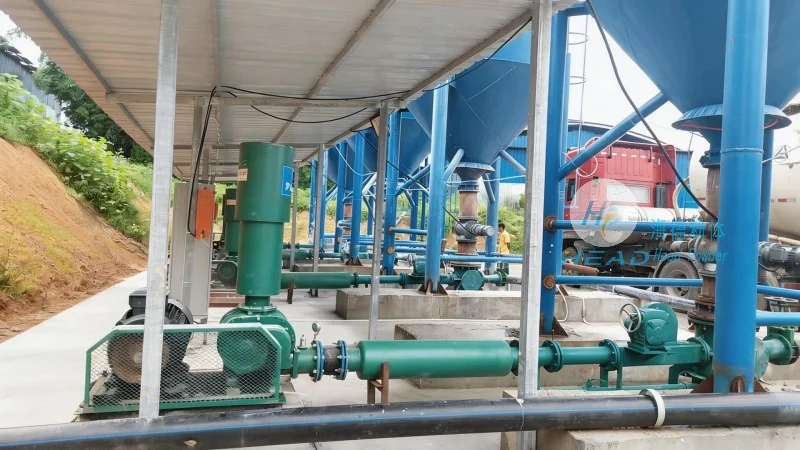
Proper maintenance is essential to ensure the long-term reliability and efficiency of long-distance material handling systems. Regular inspections and maintenance procedures help identify and address potential issues before they lead to system failures. Key maintenance tasks include checking the condition of belts and chains, lubricating moving parts, inspecting bearings and pulleys, and verifying the functionality of control systems. Additionally, monitoring the system's performance through sensors and data analysis can help detect early signs of wear or malfunction. Troubleshooting common issues, such as conveyor belt slippage or elevator jams, involves checking the tension of the belt, ensuring proper alignment of components, and verifying the power supply to motors. By following a systematic maintenance and troubleshooting approach, operators can minimize downtime and extend the lifespan of the equipment. HeadPowder provides comprehensive maintenance services and technical support to help clients maintain their systems in optimal condition, ensuring consistent performance and operational reliability.
Future Developments in Long-Distance Material Handling Systems
As technology advances, long-distance material handling systems are evolving to incorporate more advanced features and capabilities. Automation and artificial intelligence are increasingly being integrated into these systems, enabling smarter and more adaptive operation. Smart sensors and IoT (Internet of Things) devices are being used to monitor system performance in real-time, providing data-driven insights for optimization. This allows for predictive maintenance, where potential issues are identified and addressed before they cause disruptions. Additionally, the development of more energy-efficient motors and materials is reducing the operational costs of these systems. The integration of robotics and autonomous vehicles is also expanding the capabilities of long-distance material handling, enabling more flexible and versatile transport solutions. These advancements are expected to further enhance the efficiency and reliability of material handling operations, supporting the growth and sustainability of industrial sectors worldwide.