

Operation Process and Working Principle of Powder and Particulate Material Pneumatic Conveying Syste
For industries dealing with bulk materials like powders and particulates, efficient material handling is crucial. Pneumatic conveying systems offer a reliable solution for transporting these materials over varying distances and in diverse environments. This article explores the operation process and working principles of such systems, highlighting their advantages and typical applications.
Understanding Pneumatic Conveying Technology
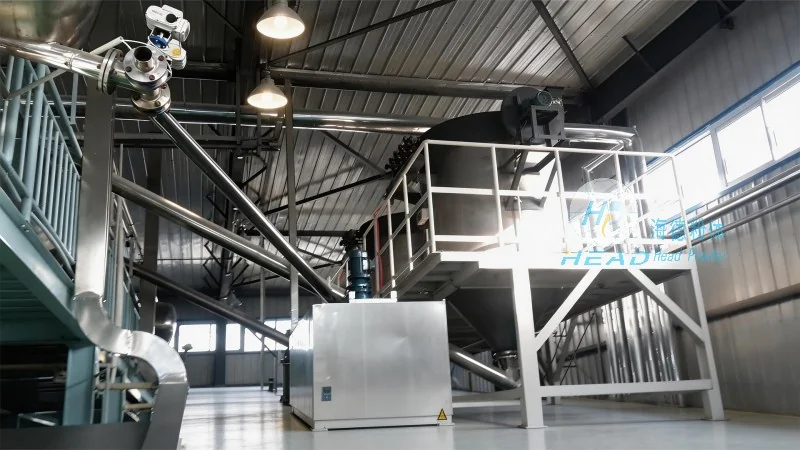
Pneumatic conveying systems utilize air or gas to transport solid materials through a pipeline. The core components include a material feed hopper, a conveying line, a control valve, and a discharge outlet. The system operates by creating a pressure differential, either through suction (negative pressure) or pressure (positive pressure), to move the material. This method eliminates the need for mechanical components like belts or buckets, reducing maintenance and increasing safety.
Key Components and Their Functions
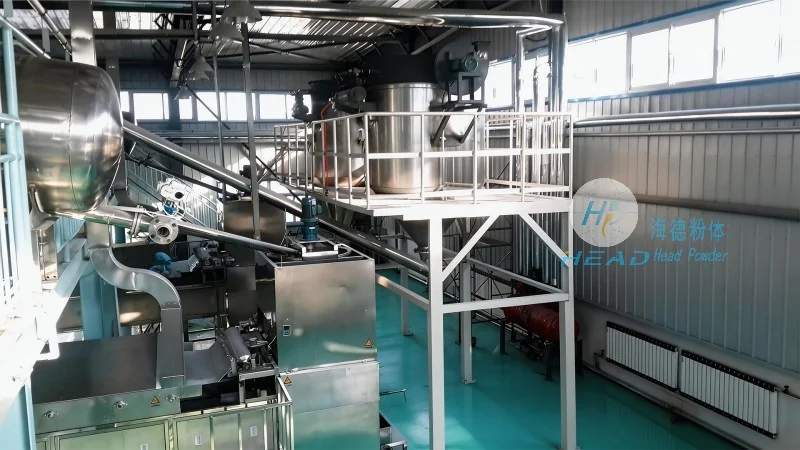
Each component plays a vital role in the efficient operation of a pneumatic conveying system. The material feed hopper stores the bulk material and feeds it into the conveying line. The conveying line, typically made of metal or plastic, transports the material from the feed point to the discharge point. The control valve regulates the flow of air or gas, controlling the speed and direction of material movement. The discharge outlet allows the material to be released at the desired location. Additionally, filters and cyclones are often used to separate air from the material, ensuring clean operation and preventing dust accumulation.
The Operation Process: From Feed to Discharge
The operation process of a pneumatic conveying system involves several sequential steps. First, the material is fed into the hopper from a storage silo or bin. The control system then activates the air compressor or vacuum pump, creating the necessary pressure or suction. The material is then drawn or pushed through the conveying line by the moving air stream. As the material travels, it may encounter bends or changes in direction, which are designed to minimize material degradation and blockages. Finally, the material is discharged from the outlet into a receiving container or processing unit. The system continuously monitors pressure and flow rates to maintain optimal performance.
Working Principles: Pressure and Suction Systems
There are two primary types of pneumatic conveying systems based on their operating principles: pressure and suction systems. Pressure systems operate by forcing air or gas through the conveying line under positive pressure, pushing the material forward. These systems are suitable for short to medium distances and can handle abrasive materials. Suction systems, on the other hand, use a vacuum to draw material into the line, pulling it from the feed point. Suction systems are ideal for long-distance transport and can handle fine powders that might be sensitive to pressure.
Advantages of Pneumatic Conveying Systems
Pneumatic conveying systems offer several advantages over traditional mechanical conveying methods. They provide a closed system, which helps in controlling dust emissions and maintaining material quality. The absence of moving parts reduces maintenance requirements and increases operational reliability. Additionally, these systems can handle a wide range of materials, from fine powders to large particulates, and can transport materials over varying distances without the need for multiple transfer points. The flexibility in design allows for integration with existing production lines, making them a cost-effective solution for many industries.
Applications in Various Industries
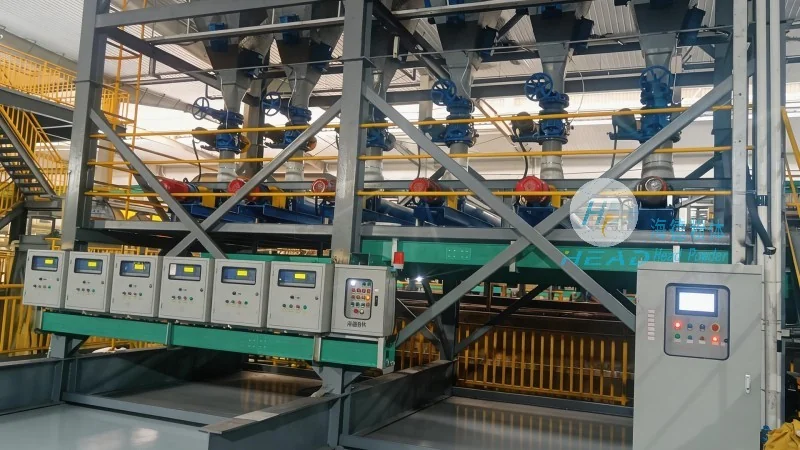
Pneumatic conveying systems are widely used across various industries, including pharmaceuticals, food processing, chemicals, and mining. In the pharmaceutical industry, they are used to transport sterile powders, ensuring contamination control. In food processing, they handle ingredients like flour and sugar, maintaining hygiene standards. In chemical manufacturing, they transport raw materials and finished products, reducing the risk of chemical exposure. In mining, they are used to transport ore and waste materials, improving efficiency in material handling operations.
Conclusion
Pneumatic conveying systems are a sophisticated and efficient method for handling powders and particulates. By understanding the operation process and working principles, industries can select the appropriate system for their specific needs. With advancements in technology, these systems continue to evolve, offering improved performance and reliability. As a leading provider of pneumatic conveying solutions, Shandong HeadPowder Engineering Co., Ltd. specializes in designing and manufacturing customized systems tailored to meet the unique requirements of each client. Whether for short-distance transport or long-distance handling, their expertise ensures optimal material handling solutions for diverse industrial applications.