

Operation Process and Working Principle of Tungsten Carbide Powder Pneumatic Conveying Line
HeadPowder, a leading engineering company based in Shandong, China, specializes in the design, manufacturing, and installation of advanced material handling systems. One of their core products is the Tungsten Carbide Powder Pneumatic Conveying Line, which is engineered to efficiently transport fine tungsten carbide powders over long distances with minimal loss and high reliability. This article provides a detailed overview of the operation process and working principles of such a system, highlighting the key components and the step-by-step procedure involved in its operation.
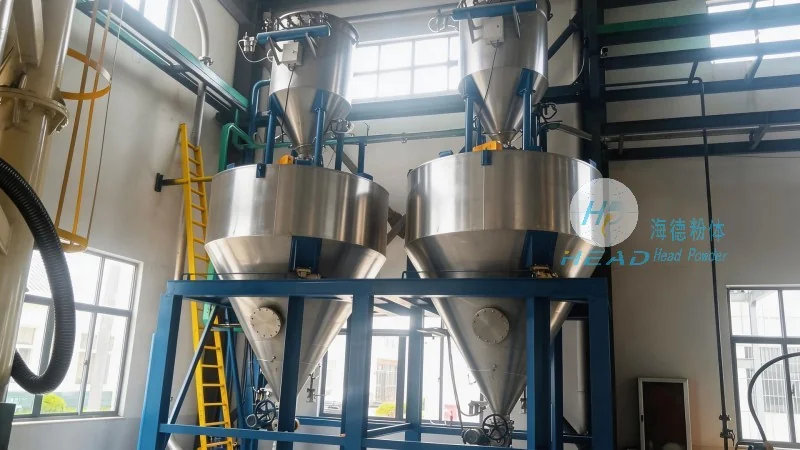
Overview of the Tungsten Carbide Powder Pneumatic Conveying System
The Tungsten Carbide Powder Pneumatic Conveying Line is a sophisticated system designed to handle the unique challenges associated with transporting fine, abrasive, and potentially hazardous tungsten carbide powders. These materials are widely used in the manufacturing of cutting tools, wear-resistant components, and other high-performance products, making efficient and safe handling critical to production efficiency and worker safety. The system combines pneumatic technology with advanced control mechanisms to ensure consistent and reliable material transport.
Key Components of the Pneumatic Conveying Line
The Tungsten Carbide Powder Pneumatic Conveying Line consists of several essential components that work in tandem to achieve the desired material transport. These components include the material feed hopper, the air compressor and air treatment system, the conveying pipes, the control valves, and the receiving hopper or silo. Each component plays a crucial role in the overall operation of the system.
Material Feed Hopper
The material feed hopper is the initial component where the tungsten carbide powder is loaded. It is designed with a sloped bottom and a discharge valve to control the flow rate of the material into the conveying line. The hopper is typically made of high-quality stainless steel or other corrosion-resistant materials to prevent contamination and ensure durability, especially when handling abrasive powders. The feed hopper is equipped with a level indicator to monitor the material inventory and a discharge valve that can be adjusted to regulate the flow of powder into the system.
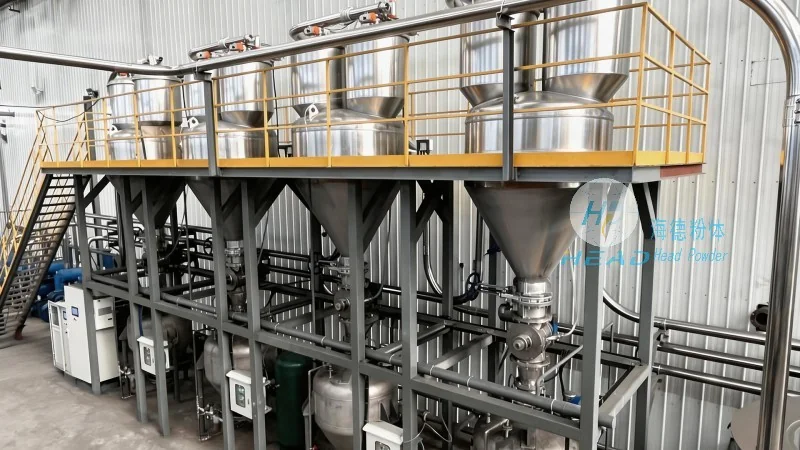
Air Compressor and Air Treatment System
The air compressor is the heart of the pneumatic conveying system, responsible for generating the necessary air pressure to move the powder particles through the pipes. The system uses a high-pressure air compressor, often equipped with a filter and a dryer to ensure that the air is clean and dry. This is crucial because moisture or contaminants in the air can cause the tungsten carbide powder to clump or degrade, leading to blockages and reduced system efficiency. The air treatment system also includes a pressure regulator to maintain consistent air pressure throughout the operation.
Conveying Pipes and Control Valves
The conveying pipes are made of materials that can withstand the abrasive nature of tungsten carbide powders, such as stainless steel or special plastic composites. The pipes are designed with smooth interiors to minimize friction and prevent material buildup. Control valves, including inlet and outlet valves, are strategically placed along the pipeline to regulate the flow of air and powder, allowing for precise control over the conveying process. These valves can be automated or manually operated, depending on the system requirements, and are essential for preventing backflow and ensuring the safe and efficient transport of the material.
Receiving Hopper or Silo
The receiving hopper or silo is the final component of the system where the transported tungsten carbide powder is deposited. It is designed to collect the material and prevent spillage or contamination. The hopper is often equipped with a discharge valve or a conveyor system to transfer the powder to the next processing stage. The receiving hopper is also monitored for level and temperature to ensure that the material is stored under optimal conditions.
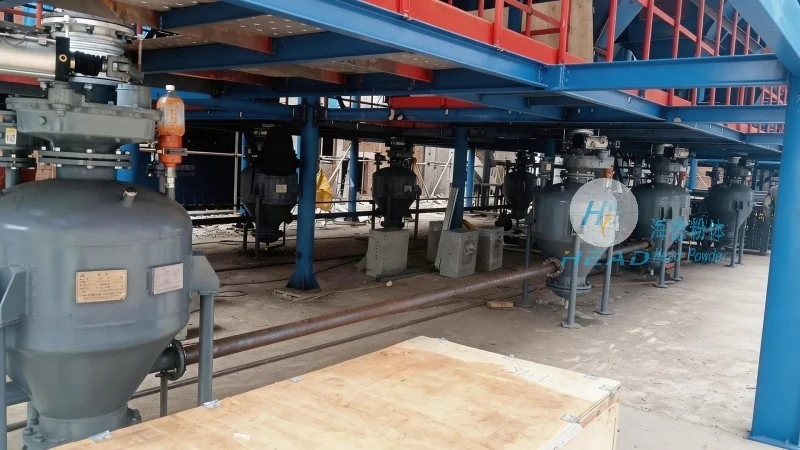
Operation Process of the Tungsten Carbide Powder Pneumatic Conveying Line
The operation of the Tungsten Carbide Powder Pneumatic Conveying Line follows a systematic procedure that ensures efficient and safe material transport. The process begins with the loading of the tungsten carbide powder into the feed hopper. The operator then starts the air compressor and adjusts the air pressure to the desired level. The discharge valve of the feed hopper is opened, allowing the powder to be drawn into the conveying pipes by the high-pressure air. The powder particles are carried along the pipes in a suspended state, moving towards the receiving hopper. The control valves along the pipeline are adjusted as needed to maintain the flow rate and prevent blockages. Once the material reaches the receiving hopper, the air pressure is reduced, and the powder is deposited into the hopper. The system then returns to standby mode until the next batch of material is loaded.
Working Principle of the Pneumatic Conveying System
The working principle of the Tungsten Carbide Powder Pneumatic Conveying Line is based on the principle of pneumatic transport, where the material is suspended in a stream of air and transported through the pipeline. The system operates on the Bernoulli principle, which states that an increase in the speed of a fluid occurs simultaneously with a decrease in pressure or potential energy. In this case, the high-pressure air from the compressor creates a low-pressure zone in the conveying pipes, which draws the powder particles into the air stream. The powder particles are then carried along the pipes by the moving air, maintaining a suspended state until they reach the receiving end. The control valves and air treatment system ensure that the air pressure and flow rate are optimized to prevent blockages and maintain the efficiency of the system.
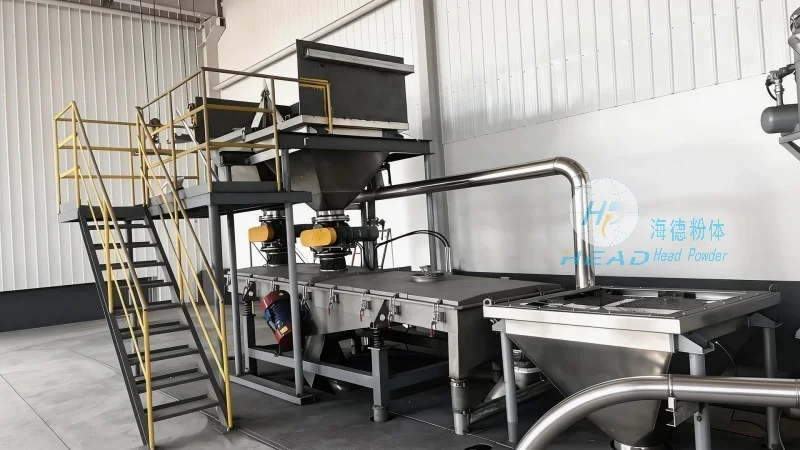
Advantages of Using a Tungsten Carbide Powder Pneumatic Conveying Line
Implementing a Tungsten Carbide Powder Pneumatic Conveying Line offers several advantages over traditional material handling methods. First, it provides a dust-free and enclosed transport system, which enhances worker safety and reduces the risk of contamination. Second, the system is highly efficient, with minimal material loss and low maintenance requirements. Third, it allows for the transport of fine powders over long distances without the need for multiple transfer points. Finally, the system is flexible and can be easily integrated with other processing equipment, making it a versatile solution for various industrial applications.
Applications of Tungsten Carbide Powder Pneumatic Conveying Lines
Tungsten Carbide Powder Pneumatic Conveying Lines are widely used in the manufacturing of cutting tools, wear-resistant components, and other high-performance products. They are also used in the production of cemented carbide, where the efficient transport of fine powders is critical to the quality of the final product. The system is suitable for both batch and continuous production processes, making it adaptable to various production requirements. Additionally, the system can be customized to meet specific customer needs, such as different pipe sizes, material handling capacities, and control systems.
Conclusion
HeadPowder's Tungsten Carbide Powder Pneumatic Conveying Line is a reliable and efficient solution for the transportation of fine tungsten carbide powders. The system's advanced design and components ensure high performance, minimal material loss, and enhanced worker safety. By understanding the operation process and working principles of such a system, manufacturers can optimize their material handling processes and improve overall production efficiency. With its headquarters in Shandong, China, HeadPowder continues to provide high-quality engineering solutions to meet the evolving needs of the industrial sector.