

Operation Process and Working Principle of Nickel Sulfate Powder Pneumatic Conveying Line
HeadPowder, a leading manufacturer based in Shandong, China, specializes in the design and production of high-efficiency pneumatic conveying systems for various industrial applications. Among their product portfolio is the nickel sulfate powder pneumatic conveying line, a critical piece of equipment for industries dealing with bulk powder handling. This article delves into the operational process and underlying principles of such a system, providing a comprehensive understanding for potential users and industry professionals.
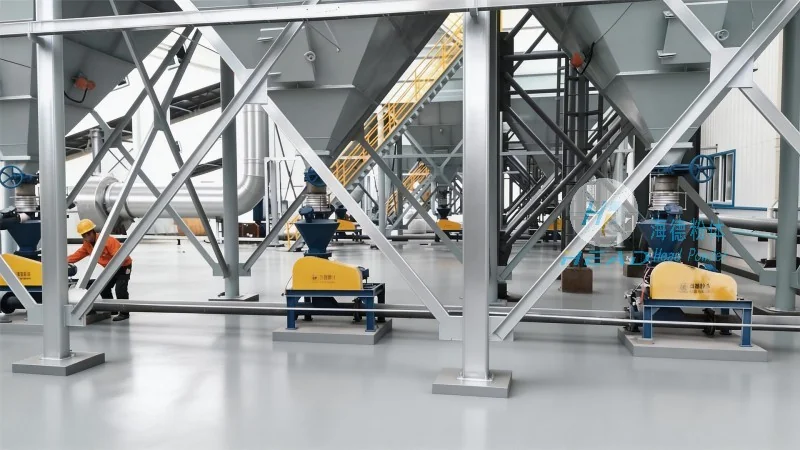
HeadPowder, the company behind this technology, is headquartered in Shandong, China. As a dedicated engineering firm, they focus on delivering reliable and efficient solutions for powder handling challenges. The company's commitment to quality and innovation ensures that their pneumatic conveying lines meet the stringent demands of modern industrial operations.
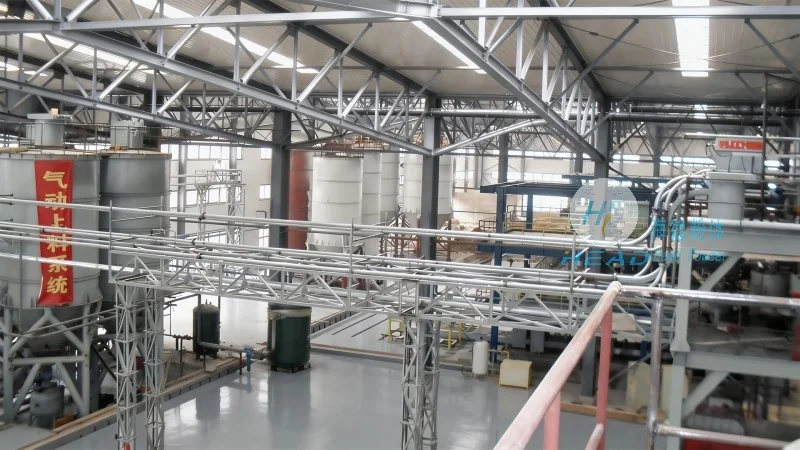
Nickel Sulfate Powder Pneumatic Conveying Line: An Overview
The nickel sulfate powder pneumatic conveying line is engineered to transport nickel sulfate powder from a storage silo or hopper to a processing unit or storage location through an air-driven system. This method eliminates the need for mechanical components like conveyors or buckets, reducing maintenance costs and improving operational safety. The system operates by creating a flow of air through a pipeline, which entrains the powder particles and transports them to the destination.
Working Principle of the Pneumatic Conveying System
The core principle of pneumatic conveying is the use of air as the conveying medium. In the nickel sulfate powder system, a blower or compressor generates high-pressure air. This air is directed into the conveying line, where it interacts with the powder. The air flow creates a negative pressure or positive pressure environment, depending on the system design, to pull or push the powder particles along the pipeline. The system typically includes a hopper for powder storage, a feeder to control the powder flow rate, a conveying line with appropriate fittings and bends, and a receiver for the delivered powder. The air and powder mixture travels through the line, with the air velocity maintained above the minimum required to prevent particle settling. At the destination, the air is separated from the powder, often through a cyclone or filter, and the air is either recirculated or vented, while the powder is collected for further processing.
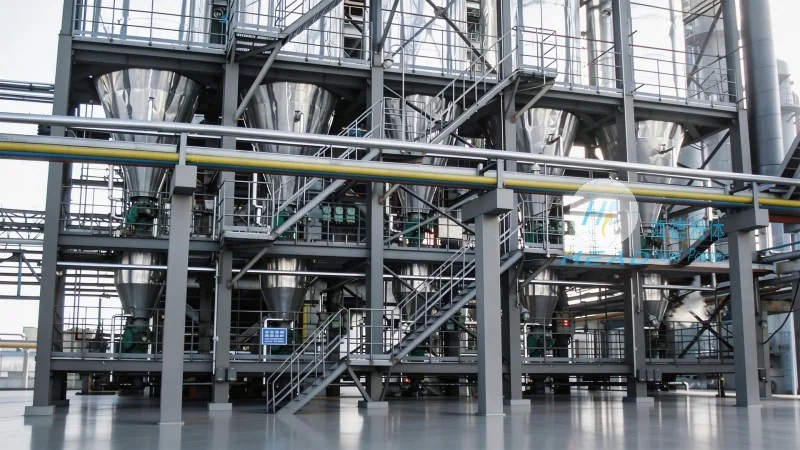
Operational Process of the Conveying Line
The operation of the nickel sulfate powder pneumatic conveying line follows a systematic sequence to ensure efficient and continuous powder transport. The process begins with the loading of nickel sulfate powder into the storage hopper. A feeder, such as a rotary valve or screw feeder, regulates the powder flow from the hopper into the conveying line. Simultaneously, the blower starts and generates the necessary air pressure. The air and powder mixture is then drawn or pushed through the pipeline, depending on the system configuration. The conveying line may include vertical or horizontal sections, with bends and fittings to direct the flow. As the mixture travels, the air velocity is maintained to keep the powder suspended. Upon reaching the receiving hopper or processing unit, the mixture enters a separator. The separator uses centrifugal force to separate the air from the powder, allowing the powder to fall into the receiver and the air to be either recirculated or discharged. The system continuously operates as long as the powder supply is available and the blower maintains the required pressure. Regular monitoring of air pressure, powder flow rate, and system performance ensures optimal operation and prevents issues like blockages or air leaks.