

Operation Process and Working Principle of Small Stone Powder Pneumatic Conveying Line
Small stone powder pneumatic conveying lines are advanced industrial equipment designed to transport fine powders, such as small stone powders, through a pressurized or vacuum system. This technology offers an efficient and flexible solution for material handling in various industrial applications. The system is engineered by Shandong HeadPowder Engineering Co., Ltd., a leading company in the field, with a professional team dedicated to providing high-quality pneumatic conveying solutions. HeadPowder, as the company's brand, specializes in customizing and manufacturing pneumatic conveying systems tailored to specific customer needs, ensuring optimal performance and reliability.
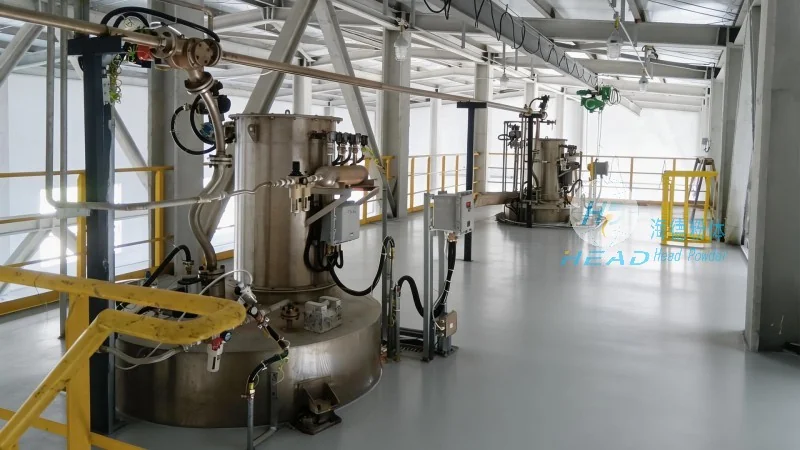
Company Overview: Shandong HeadPowder Engineering Co., Ltd.
HeadPowder, the brand under Shandong HeadPowder Engineering Co., Ltd., is headquartered in Shandong, China. The company has established itself as a reputable manufacturer and supplier of pneumatic conveying equipment, focusing on innovation and customer satisfaction. With years of experience in the industry, HeadPowder offers comprehensive solutions for material handling, including the design, production, and installation of small stone powder pneumatic conveying lines. The company's commitment to quality and technical excellence has made it a trusted partner for businesses seeking reliable and efficient material transport systems.
Working Principle of Pneumatic Conveying
The core principle of small stone powder pneumatic conveying lines is the use of air to move particulate materials through a pipeline. The system operates by creating a pressure differential, either by pressurizing the line with air or by creating a vacuum. In a typical setup, the small stone powder is fed into the conveying line, and a fan or blower generates the necessary airflow. The air, along with the powder particles, is then propelled through the pipeline to the discharge point. The design of the system, including the type of air mover, the pipeline configuration, and the use of accessories like cyclones or filters, is crucial for ensuring efficient and clean transport. The working principle leverages the kinetic energy of the air to carry the powder, minimizing the need for mechanical components that could cause wear or contamination.
Operation Process of Small Stone Powder Pneumatic Conveying Line
The operation of a small stone powder pneumatic conveying line involves several key steps that ensure smooth and continuous material transport. First, the small stone powder is fed into the inlet hopper of the system. The hopper is equipped with a feeder, such as a rotary valve or a screw feeder, which controls the flow rate of the powder into the conveying line. Next, the air mover, either a positive displacement blower or a centrifugal fan, generates the required airflow. The air is then introduced into the pipeline, creating a pressure or vacuum that moves the powder. As the powder travels through the pipeline, it may encounter various components, including bends, elbows, and expansion joints, which are designed to minimize pressure loss and maintain the flow. At the discharge end, the powder is separated from the air using a cyclone separator or a filter. The separated powder is collected in a storage bin or directly to the next processing stage, while the air is either vented to the atmosphere or recirculated through a filter system to remove any residual dust.
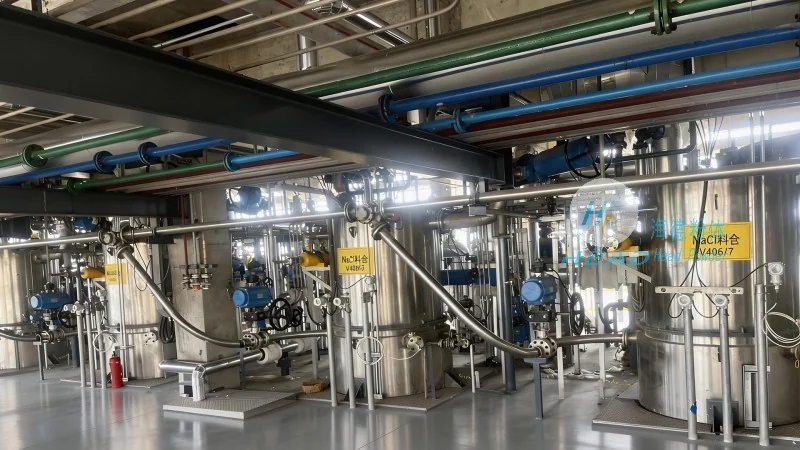
Key Components and Their Functions
Several critical components make up a small stone powder pneumatic conveying line, each playing a vital role in the overall operation. The air mover is the primary component responsible for generating the airflow, providing the necessary pressure or vacuum. The feeder controls the material feed rate, ensuring a consistent flow of small stone powder into the system. The pipeline system, typically made of stainless steel or other corrosion-resistant materials, transports the powder and air. Cyclone separators or filters are used to separate the powder from the air at the discharge end, preventing dust contamination and ensuring clean air release. Additional components may include pressure regulators, flow meters, and control valves, which help monitor and adjust the system's performance. Each component is carefully selected and designed to meet the specific requirements of the small stone powder being transported, ensuring optimal efficiency and reliability.
Advantages of Small Stone Powder Pneumatic Conveying Lines
Small stone powder pneumatic conveying lines offer numerous advantages over traditional mechanical conveying methods. One of the key benefits is the ability to transport materials over long distances with minimal maintenance. The system is also highly flexible, allowing for changes in the conveying route or capacity without major modifications. Additionally, pneumatic conveying is more hygienic and cleaner compared to mechanical systems, as it eliminates the need for moving parts that could cause contamination. The process is also energy-efficient, as the air mover can be sized to match the exact requirements of the material flow. Furthermore, the system can handle a wide range of particle sizes and moisture contents, making it suitable for various applications in the chemical, food, and pharmaceutical industries. The overall cost-effectiveness of the system, when considering reduced labor and maintenance costs, makes it an attractive option for businesses looking to improve their material handling processes.
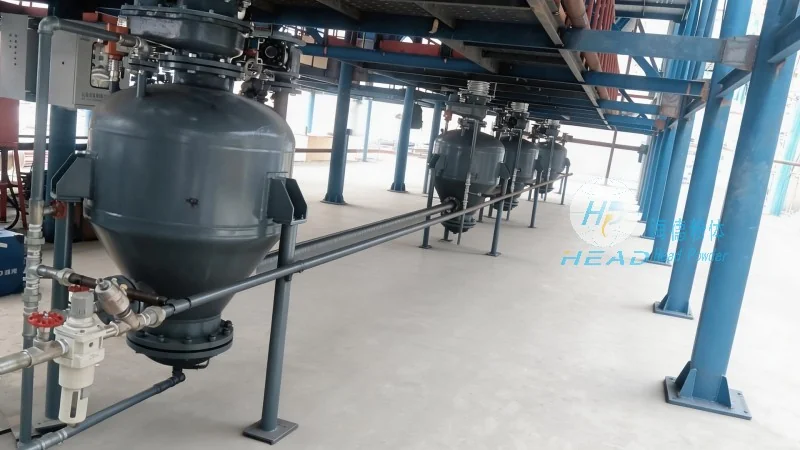
Applications and Industries
Small stone powder pneumatic conveying lines are widely used in various industries where fine powders need to be transported efficiently. In the chemical industry, they are used to handle chemicals, pigments, and other powders. The food industry utilizes these systems for transporting food additives, spices, and other ingredients, ensuring compliance with hygiene standards. The pharmaceutical industry also relies on pneumatic conveying for transporting active pharmaceutical ingredients (APIs) and other powders, maintaining strict cleanliness and contamination control. Additionally, in the mining and construction sectors, small stone powder pneumatic conveying lines are used for transporting raw materials and byproducts. The versatility of the system makes it suitable for a wide range of applications, from small-scale operations to large industrial plants.
Maintenance and Troubleshooting
Proper maintenance is essential to ensure the long-term performance and reliability of small stone powder pneumatic conveying lines. Regular inspection of the air mover, feeder, and pipeline is necessary to identify any potential issues. The filter system should be cleaned or replaced regularly to prevent clogging and maintain air quality. The cyclone separator and other separation components should be checked for wear and tear, and cleaned as needed. Common issues that may arise include pressure loss, reduced flow rate, or increased dust emissions. These issues can often be resolved by checking the air mover's performance, ensuring proper feeding, and maintaining the filter and separation components. By following a regular maintenance schedule, businesses can minimize downtime and ensure the efficient operation of their small stone powder pneumatic conveying lines.
Conclusion
Small stone powder pneumatic conveying lines are a highly effective and efficient solution for transporting fine powders in various industrial applications. The technology, developed and manufactured by Shandong HeadPowder Engineering Co., Ltd., offers numerous advantages, including flexibility, hygiene, and energy efficiency. The operation process involves several key steps, from material feeding to air movement and separation. Proper maintenance and understanding of the system's components are crucial for optimal performance. As businesses continue to seek reliable and cost-effective material handling solutions, small stone powder pneumatic conveying lines remain a popular choice, providing a sustainable and efficient way to transport small stone powders. HeadPowder, with its expertise and commitment to quality, continues to be a leading provider of such systems, helping businesses improve their operational efficiency and productivity.