

Operation Process and Working Principle of Ferrous Oxide Powder Pneumatic Conveying Line
HeadPowder, a leading enterprise in the field of powder processing technology, specializes in the design, manufacturing, and installation of advanced pneumatic conveying systems. Based in Shandong, China, the company has established itself as a reliable partner for industries requiring efficient and reliable powder handling solutions. This article provides a detailed overview of the operation process and working principle of a ferrous oxide powder pneumatic conveying line, highlighting the key components, operational steps, and technical aspects that ensure optimal performance.
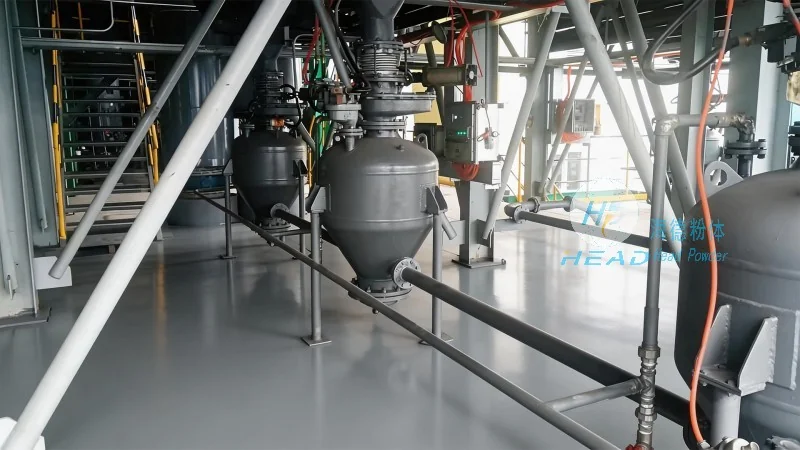
Company Profile and Location
HeadPowder Engineering Co., Ltd. is a professional manufacturer and supplier of pneumatic conveying equipment. The company is headquartered in Shandong, China, where it operates a state-of-the-art production facility equipped with advanced manufacturing equipment and a team of experienced engineers. The company's commitment to quality and innovation has enabled it to serve a wide range of industries, including chemical, pharmaceutical, food, and mining sectors. HeadPowder's expertise lies in developing customized pneumatic conveying solutions tailored to the specific needs of each client, ensuring that the systems are efficient, reliable, and cost-effective.
Understanding Pneumatic Conveying Systems
Pneumatic conveying systems are widely used in industrial applications to transport bulk powders and granules over short to medium distances. These systems utilize compressed air or other gases to move the material through a pipeline, eliminating the need for mechanical components such as conveyors or elevators. The primary advantage of pneumatic conveying is its ability to handle materials that are difficult to transport using traditional methods, such as fine powders that are prone to caking or dusting. For ferrous oxide powder, a common industrial material, pneumatic conveying offers a safe and efficient method to transport the material without the risk of contamination or degradation.
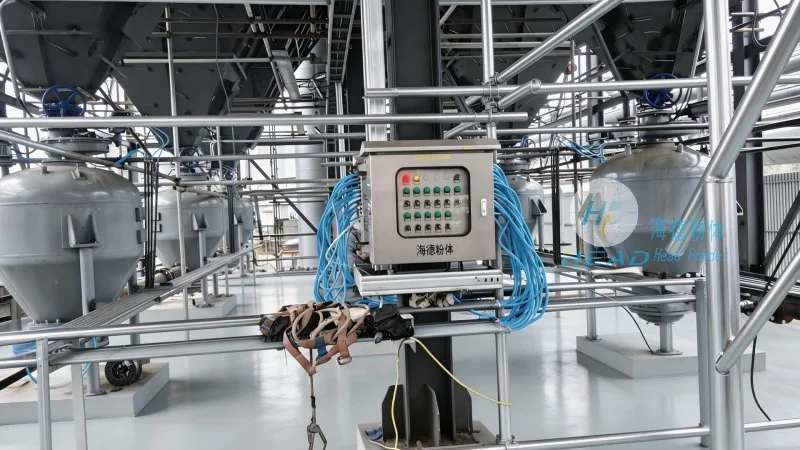
Key Components of a Ferrous Oxide Powder Pneumatic Conveying Line
A typical ferrous oxide powder pneumatic conveying line consists of several key components that work in tandem to ensure smooth operation. These components include the material feed hopper, the air compressor or blower, the conveying pipeline, the control system, and the discharge unit. The material feed hopper is responsible for storing and feeding the ferrous oxide powder into the system, while the air compressor or blower provides the necessary pressure to move the material through the pipeline. The conveying pipeline is designed to withstand the pressure and temperature of the system and is typically made of materials such as stainless steel or plastic to prevent corrosion and material contamination. The control system monitors the pressure, flow rate, and other parameters to ensure that the system operates within safe and efficient limits. The discharge unit is responsible for delivering the ferrous oxide powder to the final destination, such as a storage tank or processing equipment.
The Working Principle of the Ferrous Oxide Powder Pneumatic Conveying Line
The working principle of a ferrous oxide powder pneumatic conveying line is based on the principle of fluidization and pneumatic transport. The process begins with the material being fed from the hopper into the conveying pipeline. The air compressor then supplies compressed air to the pipeline, creating a flow of air that lifts and transports the ferrous oxide powder particles. The air flow is designed to maintain a uniform velocity and pressure throughout the pipeline, ensuring that the material is conveyed smoothly without any blockages or clogging. The control system continuously monitors the pressure and flow rate, adjusting the air supply as needed to maintain optimal performance. The discharge unit then delivers the ferrous oxide powder to the final destination, completing the conveying process.
Operation Process of the Ferrous Oxide Powder Pneumatic Conveying Line
The operation process of a ferrous oxide powder pneumatic conveying line involves several steps that are carefully coordinated to ensure efficient and reliable performance. The first step is the preparation of the system, which includes checking the air compressor, ensuring that the material feed hopper is filled with ferrous oxide powder, and verifying that all components are properly connected and secured. The second step is the start-up of the system, which involves turning on the air compressor and gradually increasing the air pressure to the desired level. The third step is the feeding of the material, which is done by opening the hopper valve and allowing the ferrous oxide powder to flow into the conveying pipeline. The fourth step is the monitoring of the system, which involves checking the pressure and flow rate to ensure that the system is operating within the specified parameters. The fifth step is the discharge of the material, which is done by opening the discharge valve and allowing the ferrous oxide powder to be delivered to the final destination. The final step is the shutdown of the system, which involves turning off the air compressor and allowing the pipeline to be depressurized.
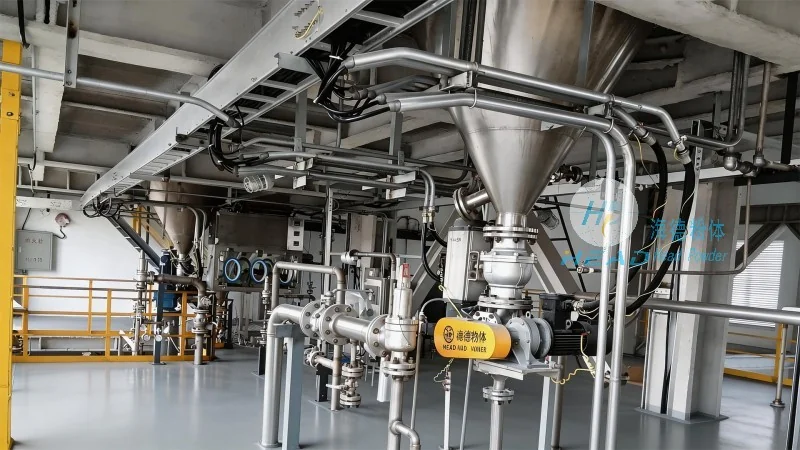
Advantages of Using a Ferrous Oxide Powder Pneumatic Conveying Line
There are several advantages to using a ferrous oxide powder pneumatic conveying line for material transport. The first advantage is its efficiency, as the system can transport large quantities of material over long distances with minimal energy consumption. The second advantage is its reliability, as the system is designed to operate continuously without the need for frequent maintenance or repairs. The third advantage is its safety, as the system eliminates the risk of material contamination or degradation, which is a common issue with traditional conveying methods. The fourth advantage is its flexibility, as the system can be customized to meet the specific needs of each client, including the ability to transport different types of materials or adjust the conveying speed as needed.
Conclusion
In conclusion, the operation process and working principle of a ferrous oxide powder pneumatic conveying line are critical to ensuring efficient and reliable material transport. HeadPowder Engineering Co., Ltd. specializes in the design and manufacturing of these systems, providing customized solutions tailored to the specific needs of each client. By understanding the key components, working principle, and operation process of the system, industries can benefit from the advantages of pneumatic conveying, including increased efficiency, reliability, and safety. As a leading manufacturer in the field, HeadPowder continues to innovate and develop new technologies to improve the performance of its pneumatic conveying systems, ensuring that clients receive the best possible solution for their powder handling needs.