

Operation Process and Working Principle of Slag Material Pneumatic Conveying
Slag material pneumatic conveying is a critical industrial process used for transporting bulk materials like slag efficiently and safely. This method involves using air pressure to move the material through a pipeline system, offering advantages such as reduced equipment wear, lower maintenance costs, and improved environmental control compared to traditional mechanical conveying systems.
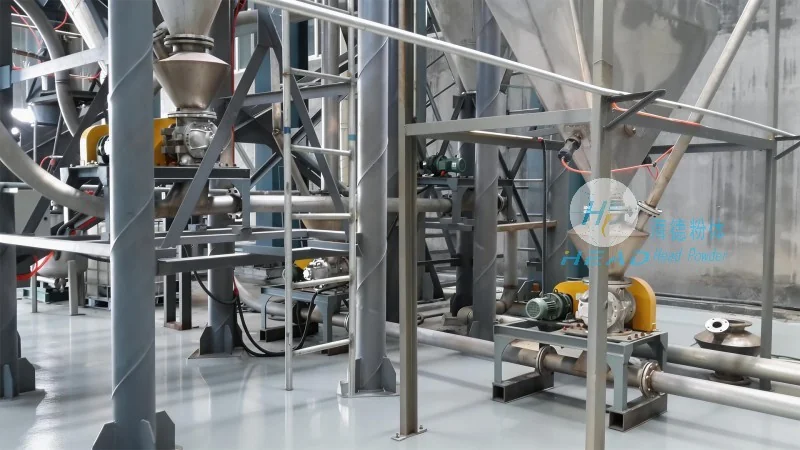
Key Components and Operation Process
The pneumatic conveying system for slag materials typically consists of several key components, including a material feeder, a conveying pipeline, a dust collector, and a control system. The operation process begins with the material being fed into the system from a storage hopper or silo. The feeder then meters the material into the pipeline, where it is mixed with a high-velocity air stream. This air-material mixture travels through the pipeline to the discharge point, where the material is separated from the air and collected in a receiving hopper or silo. The air is then filtered and returned to the system or released into the atmosphere, depending on the system design.
Working Principle of Pneumatic Conveying
The core principle of pneumatic conveying is the use of air as a medium to transport the material. There are two main types of pneumatic conveying systems: dilute-phase and dense-phase. Dilute-phase systems use low air velocity and high air-to-material ratios, suitable for short distances and low material density. Dense-phase systems use higher air velocity and lower air-to-material ratios, ideal for longer distances and higher material density. The choice of system depends on factors such as the material characteristics, conveying distance, and required flow rate. The system operates by creating a pressure differential between the inlet and outlet of the pipeline, which drives the material along the path of least resistance. The air flow is controlled by a blower or compressor, which provides the necessary pressure to move the material through the system.
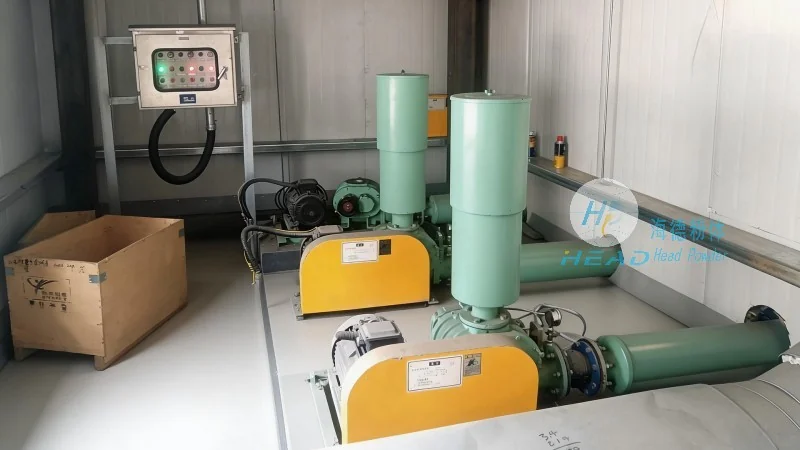
Advantages of Pneumatic Conveying for Slag Materials
Compared to traditional mechanical conveying methods, pneumatic conveying offers several advantages for slag material handling. First, it reduces the risk of material spillage and dust contamination, as the material is contained within the pipeline. Second, it minimizes equipment wear and tear, as there are no moving parts in direct contact with the material. Third, it allows for flexible system design, as the pipeline can be routed around obstacles and adapted to different site layouts. Fourth, it provides better control over material flow and pressure, ensuring consistent and reliable operation. These advantages make pneumatic conveying an ideal solution for industrial applications where efficiency, safety, and environmental compliance are paramount.
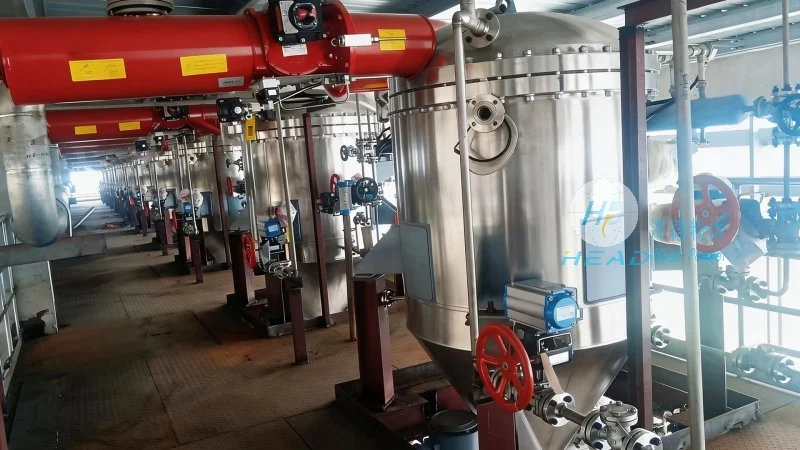
Application Scenarios in Industrial Settings
Slag material pneumatic conveying systems are widely used in various industrial sectors, including steel manufacturing, cement production, and power generation. In steel plants, the system is used to transport slag from the blast furnace to the slag processing facility, where it is further processed into valuable byproducts like slag cement or aggregates. In cement plants, the system helps in transporting raw materials and finished products, improving the overall production efficiency. In power generation plants, the system is used to handle fly ash and bottom ash, which are byproducts of coal combustion. The flexibility and efficiency of pneumatic conveying make it a preferred choice for these applications, as it can handle large volumes of material over long distances with minimal downtime.
About Shandong HeadPowder Engineering Co., Ltd.
Shandong HeadPowder Engineering Co., Ltd., commonly known as HeadPowder, is a leading manufacturer and supplier of pneumatic conveying systems for industrial applications. With years of experience in the field, HeadPowder specializes in designing and manufacturing customized solutions tailored to the specific needs of clients. The company's products are known for their high quality, reliability, and efficiency, meeting the stringent requirements of various industries. HeadPowder's team of experts provides comprehensive support, from system design and installation to maintenance and after-sales service, ensuring that clients receive the best possible solution for their material handling needs. HeadPowder is committed to providing innovative and sustainable solutions that enhance operational efficiency and reduce environmental impact.