

The Operation Process and Working Principle of Limestone Material Pneumatic Conveying
Limestone material pneumatic conveying systems are critical in industrial settings for the efficient transportation of bulk limestone materials. These systems leverage air as the primary conveying medium, enabling the movement of dry powders or granules over considerable distances with high efficiency. The operation process and working principle of such systems involve a series of integrated components and steps that ensure reliable and continuous material handling. A thorough understanding of these elements is essential for optimizing system performance, reducing operational downtime, and maintaining safety standards in industrial operations.
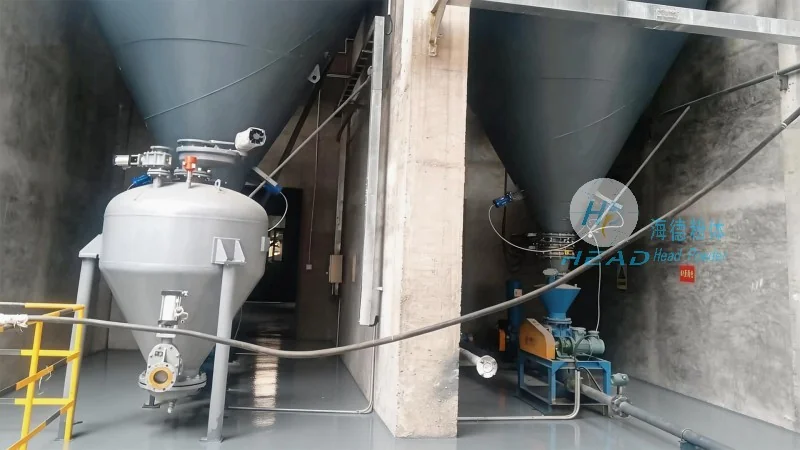
Key Components and Their Functions
The fundamental components of a limestone material pneumatic conveying system typically include a material hopper, a rotary airlock valve, a conveying pipe, a dust separator, and a material receiver. Each component serves a specific purpose in the overall operation. The material hopper stores the limestone, providing a consistent feed source. The rotary airlock valve regulates the flow of material into the conveying pipe, preventing backflow and ensuring a steady supply. The conveying pipe, often made of durable materials like stainless steel or plastic, transports the material using compressed air. The dust separator removes air and fine particulate matter from the system, while the material receiver collects the conveyed limestone. This integrated design minimizes material loss and air pollution, enhancing the system's efficiency and environmental compliance.
Step-by-Step Operation Process
The operation of a limestone material pneumatic conveying system begins with the loading of limestone into the material hopper. The rotary airlock valve then controls the flow of material into the conveying pipe, maintaining a consistent feed rate. Compressed air is introduced into the pipe, creating a pressure differential that propels the limestone particles forward. As the material travels through the pipe, it is suspended in the air stream, allowing for efficient transportation. The dust separator at the end of the pipe captures any fine particles and returns them to the system, while the clean air is discharged. The material is then deposited into the receiver, completing the conveying process. This continuous operation can be adjusted to handle varying material volumes and distances, making it adaptable to different industrial applications.
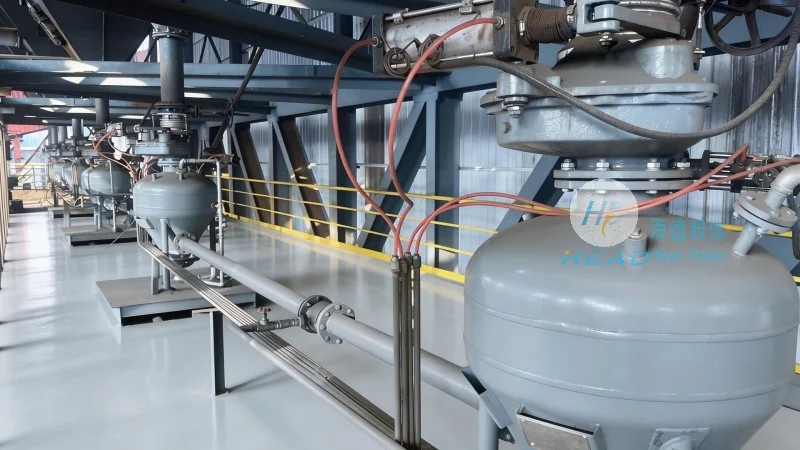
Working Principle Explained
The working principle of limestone material pneumatic conveying systems is based on the concept of fluidization and air suspension. When compressed air is introduced into the conveying pipe, it creates a low-pressure environment that lifts the limestone particles, suspending them in the air stream. The velocity of the air stream is crucial; it must be sufficient to keep the particles suspended without causing excessive pressure drop or material degradation. The system operates under either positive pressure (air forced through the pipe) or negative pressure (air drawn through the pipe), depending on the application and system design. Positive pressure systems are often preferred for long-distance conveying as they provide better control over material flow and reduce the risk of air leakage. Negative pressure systems, on the other hand, are suitable for applications where dust containment is a priority.
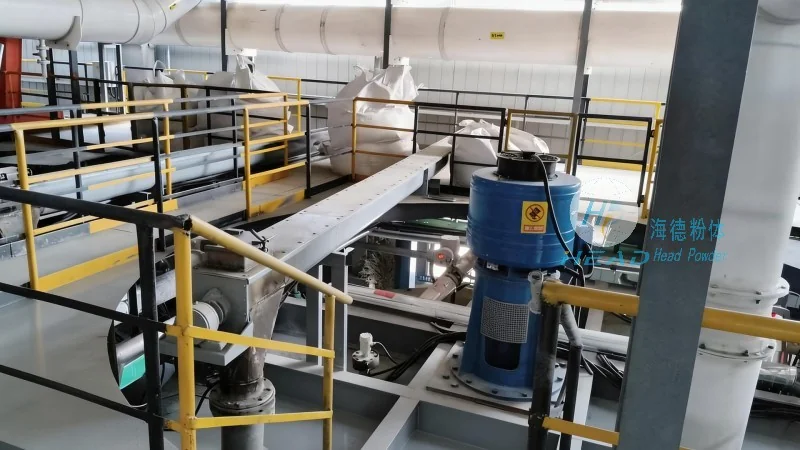
Benefits of Pneumatic Conveying for Limestone Handling
Adopting a pneumatic conveying system for limestone offers several advantages over traditional material handling methods. These systems are highly efficient in transporting dry powders over long distances with minimal material degradation, preserving the quality of the limestone. They also reduce the risk of material contamination and dust exposure, enhancing workplace safety and compliance with environmental regulations. Additionally, pneumatic conveying systems are more flexible in terms of layout and can be easily integrated into existing industrial facilities, reducing the need for extensive site modifications. The continuous operation of these systems minimizes downtime and increases overall productivity, making them a cost-effective solution for bulk material handling in the limestone industry.
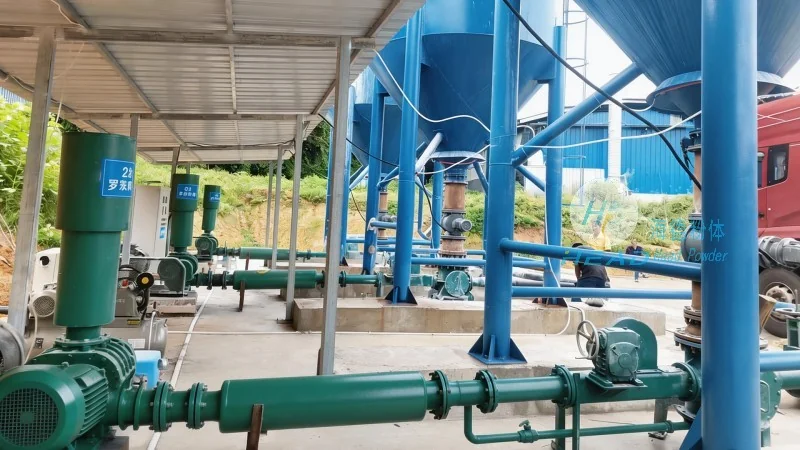
About Shandong HeadPowder Engineering Co., Ltd.
Shandong HeadPowder Engineering Co., Ltd., branded as headpowder, is a leading manufacturer and supplier of advanced pneumatic conveying systems tailored for bulk material handling, including limestone. The company has built a strong reputation for its innovative designs, high-quality products, and customer-centric approach. Headpowder's team of experienced engineers and technicians collaborates closely with clients to understand their specific material handling challenges and develop customized solutions that meet their operational requirements. The company's commitment to quality control, from design to installation, ensures that its systems deliver consistent performance and long-term reliability, providing value to its clients in the limestone processing sector.
Location and Operational Base
Headpowder is headquartered in Shandong, China, a region known for its robust industrial infrastructure and access to key raw material sources. The company's facility in Shandong is equipped with state-of-the-art manufacturing equipment and testing facilities, enabling the production of high-performance pneumatic conveying systems. The location in Shandong provides easy access to major transportation networks, facilitating the delivery of products and services to clients across the country and internationally. While specific contact details are not provided in this document, Headpowder is dedicated to providing responsive and professional support to its clients, ensuring that their material handling needs are addressed effectively and efficiently.