

Operation Process and Working Principle of Dust-Free Material Feeding Pneumatic Conveying
HeadPowder, a leading provider in the field, specializes in advanced dust-free material feeding solutions through pneumatic conveying technology. This article explores the operation process and working principles of such systems, highlighting the efficiency and precision they offer in industrial applications.
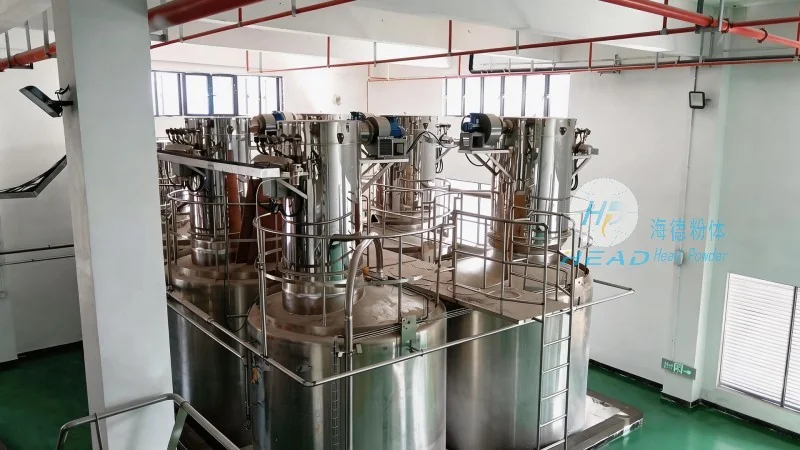
Company Overview: Shandong HeadPowder Engineering Co., Ltd.
HeadPowder, with its headquarters in Shandong, China, is dedicated to delivering high-quality engineering solutions for material handling. The company's expertise lies in designing and manufacturing pneumatic conveying systems that ensure minimal dust generation and optimal material transport. By focusing on innovation and customer needs, HeadPowder has established itself as a trusted partner in various industries requiring clean and efficient material feeding processes.
Understanding Pneumatic Conveying Technology
Pneumatic conveying, also known as air conveying, is a method of transporting bulk materials through a pipeline using a stream of air. In dust-free material feeding applications, this technology is crucial for maintaining a clean environment and preventing contamination. The process involves several key components and steps that work in tandem to achieve efficient material transfer.
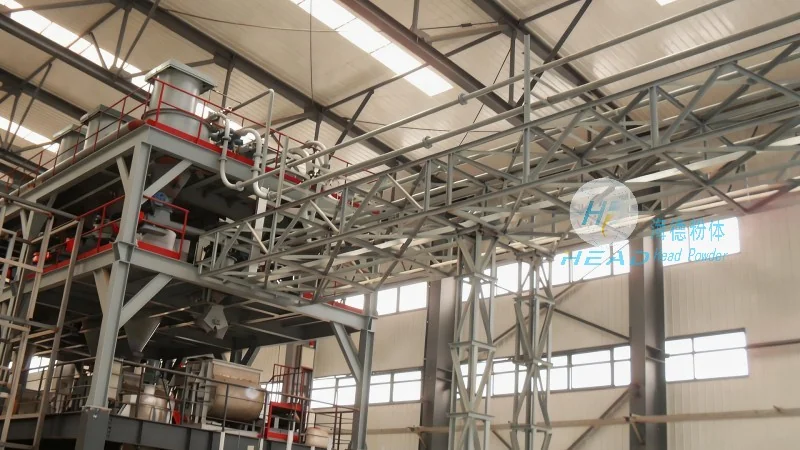
The Operation Process of Dust-Free Material Feeding Pneumatic Conveying
The operation process of a dust-free material feeding pneumatic conveying system typically involves the following stages: material feeding, air supply, conveying, and discharge. First, the material is fed into the system, often through a hopper or feeder, ensuring a consistent flow. Next, a controlled amount of air is introduced into the pipeline, creating a pressure differential that propels the material forward. The system then transports the material through the pipeline to the desired destination. Finally, the material is discharged at the end of the line, while the air is filtered and recycled to maintain a clean operation.
Working Principles of the System
The working principle of a dust-free material feeding pneumatic conveying system is based on the interaction between the material and the air stream. The system utilizes either positive pressure or negative pressure (or a combination of both) to move the material. In positive pressure systems, air is blown into the pipeline, pushing the material along. In negative pressure systems, air is drawn out, creating a vacuum that pulls the material. The choice of system depends on factors such as material characteristics, distance, and required flow rate. The key is to maintain a stable air flow and pressure to ensure smooth and efficient material transport without generating excessive dust.
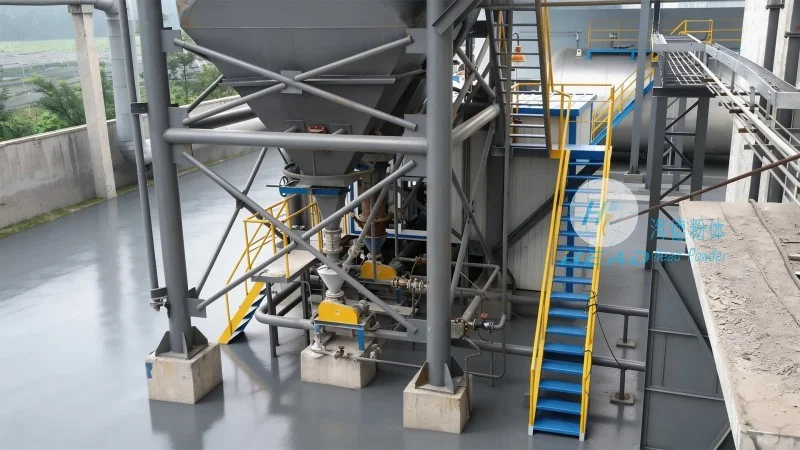
Key Components and Their Roles
Several components are integral to the operation of a dust-free material feeding pneumatic conveying system. These include the feeder, which controls the material flow rate; the air compressor or blower, which provides the necessary air pressure; the pipeline, which transports the material and air; the filter and dust collector, which remove particles from the air stream; and the control system, which monitors and adjusts the operation parameters. Each component plays a critical role in ensuring the system operates efficiently and safely, minimizing dust generation and maximizing material throughput.
Benefits of Dust-Free Material Feeding Pneumatic Conveying
Implementing dust-free material feeding pneumatic conveying systems offers numerous benefits for industrial applications. These include improved safety by reducing dust exposure, enhanced product quality by preventing contamination, and increased efficiency through optimized material transport. The systems also contribute to a cleaner working environment, which is essential for maintaining compliance with environmental regulations and ensuring employee health and well-being. Additionally, the technology allows for flexible and scalable solutions, adapting to various material types and processing requirements.