

Operation Process and Working Principle of Air-Pneumatic Conveying for Flaked Caustic Soda Materials
Flaked caustic soda, also known as flaked sodium hydroxide, is a widely used industrial chemical in various sectors including chemical manufacturing, paper production, and water treatment. Efficient and reliable material handling is crucial for the smooth operation of processes involving flaked caustic soda. Air-pneumatic conveying is a common method used to transport this material from storage to processing units. Shandong HeadPowder Engineering Co., Ltd., a leading provider of industrial material handling solutions, specializes in designing and implementing air-pneumatic conveying systems tailored to the unique requirements of flaked caustic soda applications. This article provides an in-depth look at the operation process and working principle of such systems, highlighting the key components, operational steps, and technical aspects involved.
Key Components of an Air-Pneumatic Conveying System for Flaked Caustic Soda
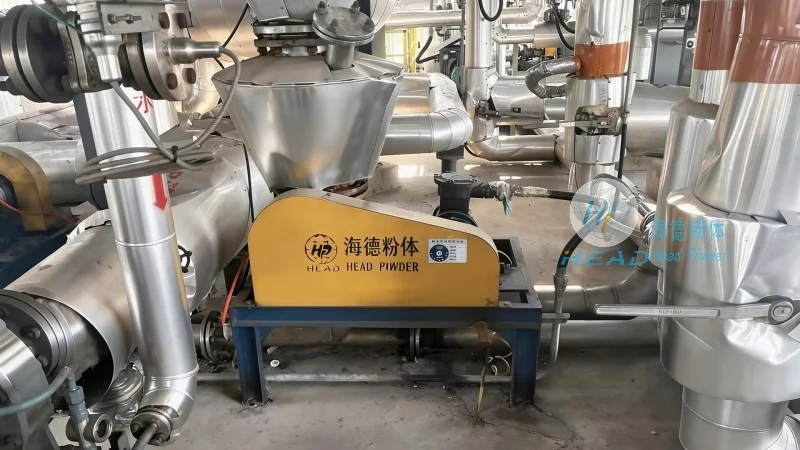
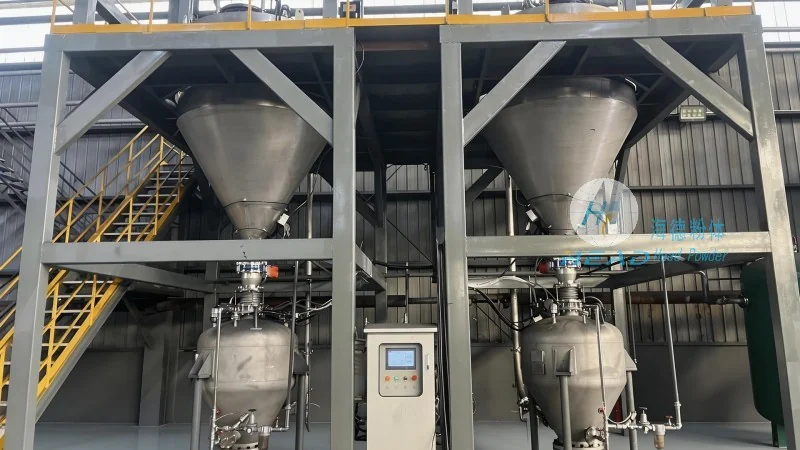
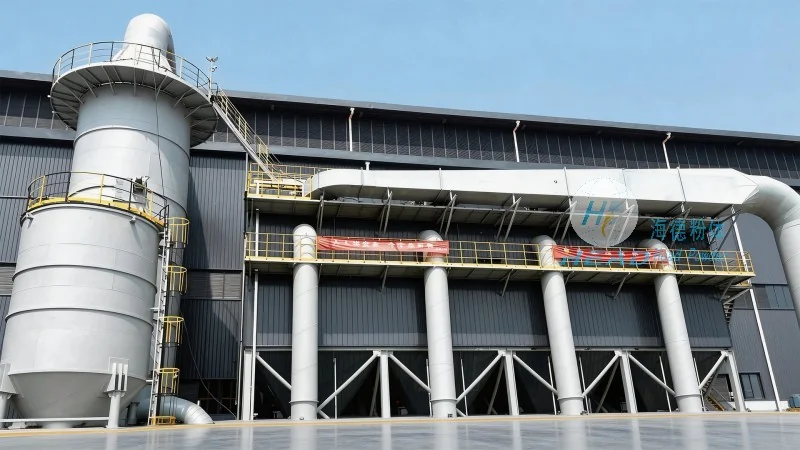
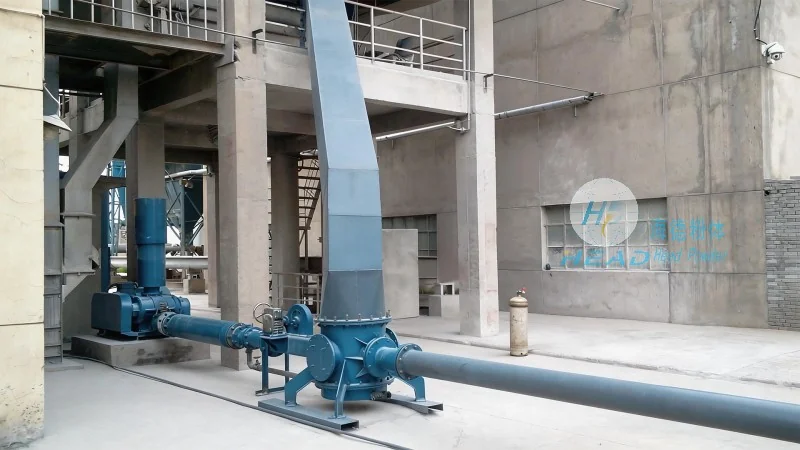
An air-pneumatic conveying system for flaked caustic soda typically consists of several essential components that work in tandem to ensure effective material transport. The primary components include a hopper or storage bin for the material, a feeder (such as a rotary valve or screw feeder) to control the flow rate, a conveying line (usually made of stainless steel or other corrosion-resistant materials to handle the caustic nature of the soda), a blower or air compressor to generate the necessary air pressure, and a receiver or destination tank where the material is deposited. Additionally, the system may include filters to remove dust and moisture, and control valves to regulate air flow and pressure. These components are carefully designed and integrated to ensure the safe and efficient handling of flaked caustic soda, minimizing the risk of material degradation or equipment damage. Shandong HeadPowder Engineering Co., Ltd. emphasizes the use of high-quality, corrosion-resistant materials in their systems to ensure durability and performance in demanding industrial environments.