

Operation Process and Working Principle of Grass Material Pneumatic Conveying
HeadPowder, a leading engineering firm based in Shandong, China, specializes in the design and implementation of advanced pneumatic conveying systems tailored for handling grass materials. These systems are crucial for efficient material transport in agricultural and processing applications, ensuring optimal performance and reliability. The following sections outline the operational process and fundamental working principles of such systems, providing a comprehensive understanding of their functionality.
Key Components of Pneumatic Conveying Systems
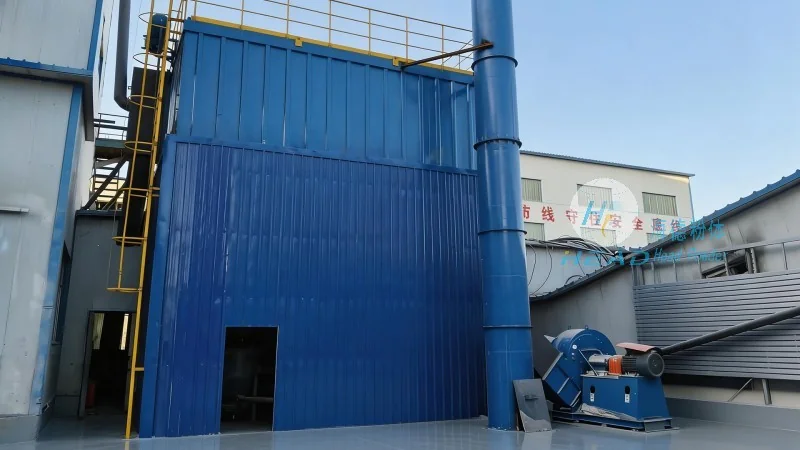
A pneumatic conveying system for grass materials typically consists of several core components that work in tandem to achieve effective material transport. These components include a hopper or feed hopper for material storage, a conveyor line (either positive or negative pressure), a dust collection system, and a discharge outlet. The hopper is designed to hold the grass material, ensuring a consistent feed rate into the system. The conveyor line, which can operate under positive pressure (where air pushes the material) or negative pressure (where air pulls the material), is the primary mechanism for transporting the material from the source to the destination. The dust collection system is essential for maintaining air quality and preventing material loss, while the discharge outlet allows the material to be released at the desired location.
Operation Process of Grass Material Pneumatic Conveying
The operation process of a grass material pneumatic conveying system involves several sequential steps that ensure smooth and efficient material handling. First, the grass material is loaded into the feed hopper. The hopper is equipped with a feeder, such as a rotary valve or a screw feeder, which regulates the flow of material into the conveyor line. Once the material is introduced into the line, the conveying air is activated. In a positive pressure system, high-pressure air is supplied to the conveyor line, creating a flow that propels the material forward. The material is carried along the pipeline by the air stream, often in a dilute phase (where material particles are suspended in the air) or a dense phase (where material forms a slurry-like flow). The conveying air continues to transport the material until it reaches the discharge point. At the discharge outlet, the air is separated from the material, and the material is collected in a storage bin or processing unit. The air, now containing any residual dust or particles, is then directed to the dust collection system for filtration and recycling.
Working Principle of Pneumatic Conveying for Grass Materials
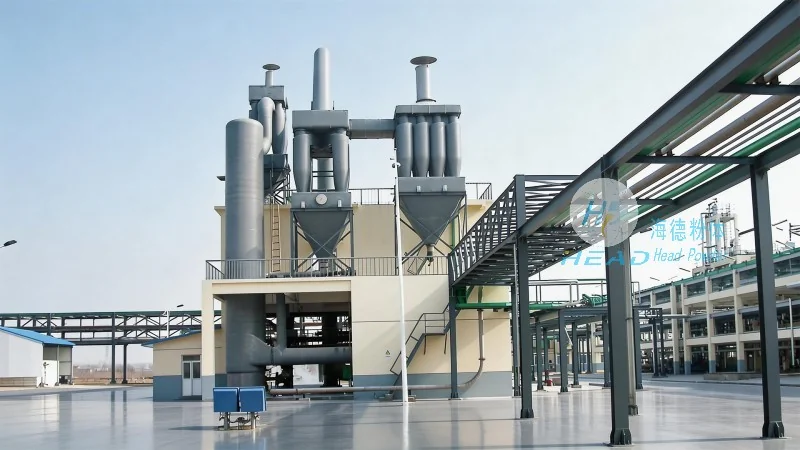
The working principle of a pneumatic conveying system for grass materials is based on the interaction between the material and the conveying air. The system utilizes the kinetic energy of the air to move the material through the pipeline. In positive pressure systems, the air pressure is maintained at a level higher than the ambient pressure, creating a pressure differential that drives the material forward. The material particles are entrained by the air stream, and their movement is governed by factors such as air velocity, particle size, and material density. The design of the conveyor line, including the diameter and length, is critical in determining the system's efficiency and capacity. For grass materials, which are often fibrous and have varying particle sizes, the system must be optimized to prevent blockages and ensure consistent flow. The negative pressure system operates by creating a vacuum in the conveyor line, pulling the material from the source and moving it towards the discharge point. This method is particularly useful for applications where the material needs to be transported over longer distances or through complex layouts.
Advantages of Pneumatic Conveying for Grass Processing
Implementing a pneumatic conveying system for grass materials offers several advantages over traditional mechanical conveying methods. One of the primary benefits is the ability to handle materials that are difficult to transport using conventional methods, such as fibrous or dusty grass. The system minimizes material degradation and loss, as the material is not subjected to friction or impact during transport. Additionally, pneumatic conveying systems are more hygienic and easier to clean, making them suitable for food processing applications. The flexibility of the system allows for easy integration with existing processing lines, and the ability to transport materials over long distances without the need for multiple transfer points reduces operational costs. Furthermore, the system can be equipped with monitoring and control systems to optimize performance and ensure consistent material flow.
Applications and Industries
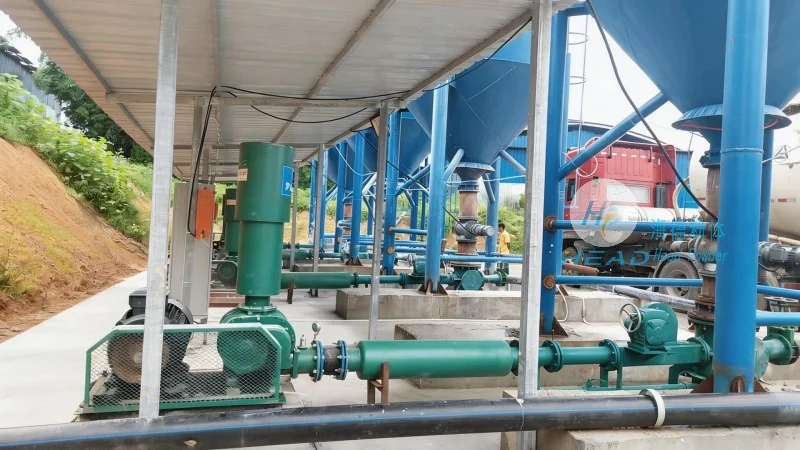
Pneumatic conveying systems for grass materials are widely used in various industries, including agricultural processing, animal feed production, and biomass energy generation. In agricultural processing, these systems are used to transport harvested grass from fields to processing facilities, where it is converted into animal feed or other products. In animal feed production, the system efficiently moves raw materials, such as grass, through the processing stages, ensuring a consistent supply of feed for livestock. In biomass energy applications, the system transports grass materials to biomass boilers or power plants, where they are burned to generate electricity or heat. The versatility of the system makes it suitable for a wide range of applications, from small-scale farm operations to large industrial facilities.
Conclusion
HeadPowder's expertise in designing and implementing pneumatic conveying systems for grass materials ensures that clients receive reliable and efficient solutions tailored to their specific needs. By understanding the operational process and working principles of these systems, businesses can optimize their material handling processes, reduce costs, and improve overall productivity. The advanced technology and engineering solutions provided by HeadPowder enable the effective transport of grass materials, supporting the growth and success of various industries that rely on these materials. With a focus on quality and performance, HeadPowder continues to be a leader in the field of pneumatic conveying systems, providing innovative solutions for the modern demands of the industry.