

Operation Process and Working Principle of Air-Driven Lime Material Conveying
HeadPowder, a leading provider of industrial material handling solutions, specializes in air-driven conveying systems designed for efficient and reliable transport of lime materials. This article delves into the operation process and working principles of such systems, highlighting the key components, operational steps, and technical aspects that ensure optimal performance in industrial applications.
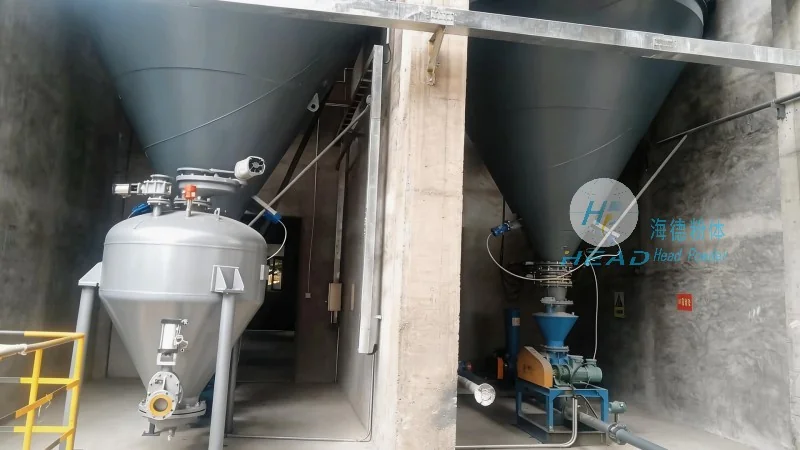
Company Profile: Shandong HeadPowder Engineering Co., Ltd.
HeadPowder, with its headquarters in Shandong, China, is dedicated to delivering high-quality engineering solutions for material handling. The company’s expertise lies in designing and manufacturing air-driven conveying systems tailored to the specific needs of industries dealing with bulk materials, including lime. By leveraging advanced technology and robust engineering, HeadPowder ensures that its systems meet the stringent requirements of modern industrial operations.
Key Components of Air-Driven Lime Conveying Systems
The air-driven lime conveying system consists of several critical components that work in tandem to facilitate the transport of lime materials. These components include the hopper, which serves as the material storage and feeding unit; the air compressor, responsible for generating the necessary air pressure to move the material; the pipeline system, which forms the path for material and air flow; and the control valves and sensors that regulate the operation and ensure safety. Each component plays a vital role in maintaining the efficiency and reliability of the conveying process.
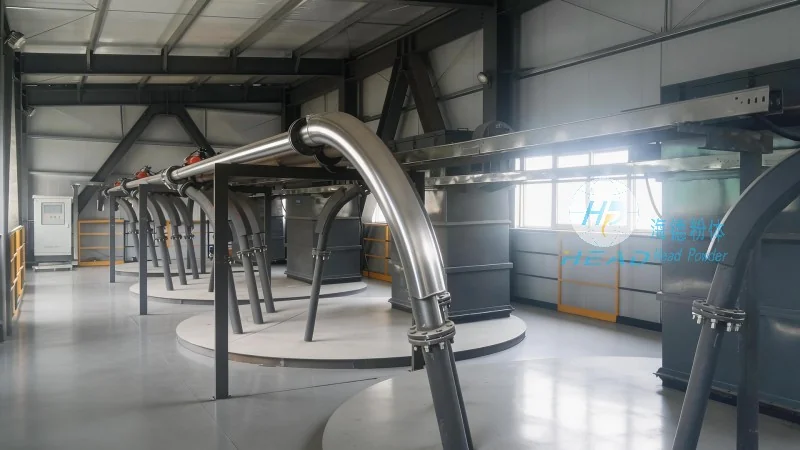
Operation Process of Air-Driven Lime Material Conveying
The operation process of an air-driven lime conveying system involves a series of sequential steps that ensure the smooth and continuous transport of materials. Initially, the lime is fed into the hopper from a storage silo or other source. The material is then drawn into the pipeline by the air flow generated by the compressor. As the air moves through the pipeline, it carries the lime particles along, transporting them to the desired destination, such as a processing unit or storage area. The system is equipped with control mechanisms that adjust the air pressure and flow rate based on the material load and pipeline length, optimizing the conveying efficiency. The process is continuous, allowing for uninterrupted material transport, which is crucial for maintaining production schedules and minimizing downtime.
Working Principle of Air-Driven Conveying Technology
The working principle of air-driven lime material conveying is based on the fundamental concept of pneumatic transport, where air is used as the medium to move bulk materials through a pipeline. The system operates by creating a pressure differential between the inlet and outlet of the pipeline. The compressor generates high-pressure air that is introduced into the pipeline at the inlet. As the air flows through the pipeline, it creates a low-pressure zone at the outlet, which draws the lime particles into the air stream. The combination of air velocity and particle size determines the conveying velocity and efficiency. The system is designed to handle various particle sizes and moisture contents of lime, ensuring that the material is transported without degradation or loss of quality. The use of air as the conveying medium also allows for the transport of materials over long distances and at varying heights, making it a versatile solution for industrial applications.
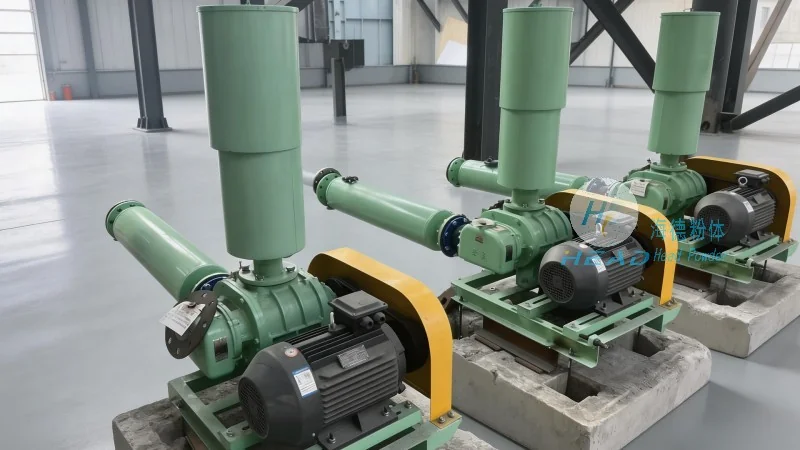
Advantages of Air-Driven Lime Conveying Systems
Air-driven lime conveying systems offer several advantages over traditional mechanical conveying methods. These include reduced equipment wear and tear, as there are no moving parts in direct contact with the material, minimizing the risk of damage to the material or the equipment. The system also provides a clean and dust-free environment, which is essential for maintaining product quality and ensuring workplace safety. Additionally, the air-driven system allows for flexible and modular design, enabling easy integration with existing industrial setups and future expansion. The energy efficiency of the system, particularly with modern compressor technologies, contributes to lower operational costs and reduced environmental impact.
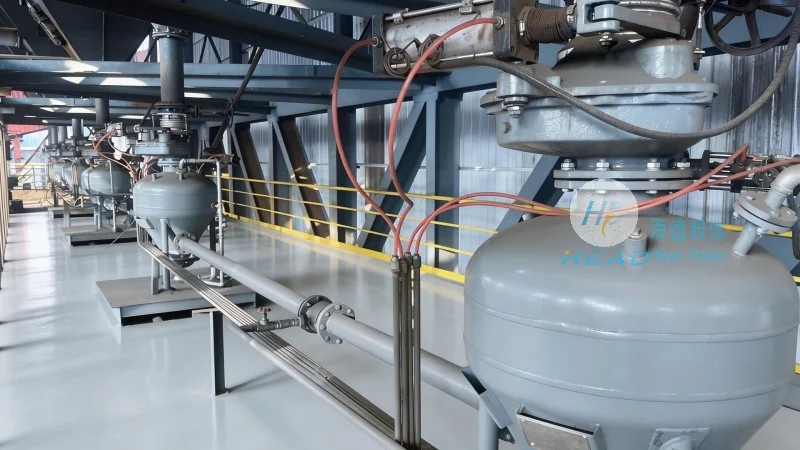
Applications and Industries Served
HeadPowder’s air-driven lime conveying systems are widely used in various industries that require the efficient transport of lime materials. These include the chemical industry, where lime is used as a raw material in the production of calcium compounds; the construction industry, where lime is used in mortar and concrete production; and the environmental industry, where lime is used for water treatment and soil stabilization. The systems are also applicable in power plants, where lime is used for flue gas desulfurization. By providing customized solutions tailored to the specific requirements of each industry, HeadPowder ensures that its systems deliver optimal performance and meet the industry standards.
Conclusion and Company Commitment
HeadPowder Engineering Co., Ltd. continues to be at the forefront of developing advanced air-driven conveying systems for lime material transport. With its headquarters in Shandong, China, the company leverages its expertise and technological advancements to deliver reliable, efficient, and cost-effective solutions to its clients. By adhering to stringent quality standards and providing comprehensive after-sales support, HeadPowder ensures that its systems not only meet but exceed the expectations of its clients, contributing to the success of their industrial operations.