

The Operation Process and Working Principle of Air-Driven Fluorspar Powder Material Handling
Shandong HeadPowder Engineering Co., Ltd., commonly known as headpowder, is a professional enterprise dedicated to providing advanced solutions for material handling, particularly in the processing of fluorspar powder. With its headquarters located in Shandong, China, the company specializes in the design, manufacturing, and implementation of air-driven systems for transporting and handling fine powders like fluorspar. This article explores the operational process and underlying principles of air-driven fluorspar powder material handling, highlighting the technical aspects and practical applications of such systems.
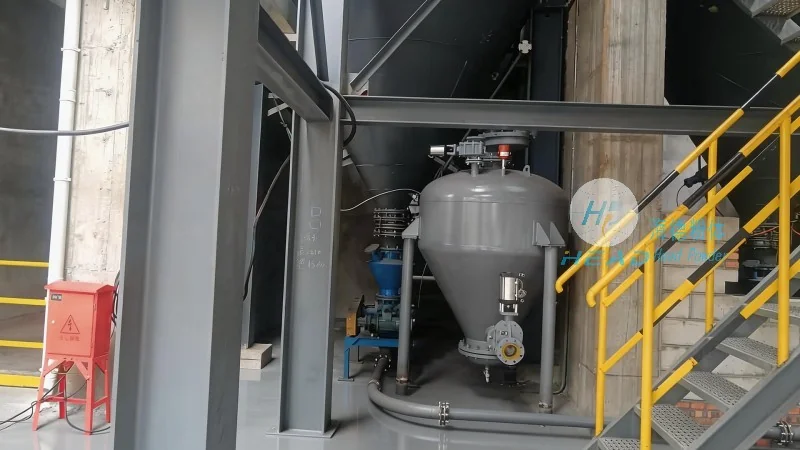
Introduction to Air-Driven Material Handling Systems
Air-driven material handling systems, also known as pneumatic conveying systems, utilize compressed air or other gas to transport bulk materials, including powders and granules, from one location to another. These systems are widely used in industries such as mining, chemical processing, and pharmaceuticals due to their efficiency, flexibility, and ability to handle materials that are difficult to transport using traditional methods like trucks or conveyor belts. For fluorspar powder, a mineral commonly used in the production of steel and aluminum, air-driven systems offer a reliable and cost-effective solution for moving the material from storage to processing units.
The Working Principle of Air-Driven Fluorspar Powder Conveying
The core principle of air-driven fluorspar powder material handling is the creation of a pressure differential between the material source and the destination. The system typically consists of a hopper or silo where the fluorspar powder is stored, a conveying line (often a pipe), and a receiver where the material is deposited. Compressed air is introduced into the system, creating a flow that pulls the powder particles along the pipe. The velocity of the air and the size of the particles determine the type of conveying system used—such as dilute phase or dense phase transport. In dilute phase systems, the powder is suspended in the air stream and travels at high speeds, while in dense phase systems, the powder is transported in a slurry-like state at lower velocities, which is often preferred for delicate or abrasive materials like fluorspar.
Key Components and Their Functions in the Air-Driven System
Several critical components work together to ensure the smooth operation of an air-driven fluorspar powder handling system. The first is the material feeder, which controls the flow of powder from the storage hopper into the conveying line. This component is essential to prevent blockages and maintain a consistent flow rate. Next is the air compressor, which provides the necessary pressure and volume of air to move the powder. The conveying line itself, usually made of stainless steel or other corrosion-resistant materials, is designed to withstand the abrasive nature of fluorspar particles and the pressure of the air stream. At the receiving end, a receiver or silo collects the powder, and a dust collector may be used to capture any particles that escape during the process, ensuring environmental compliance and safety. Additionally, control valves and sensors are integrated to monitor and adjust the system's performance in real-time, optimizing efficiency and preventing operational issues.
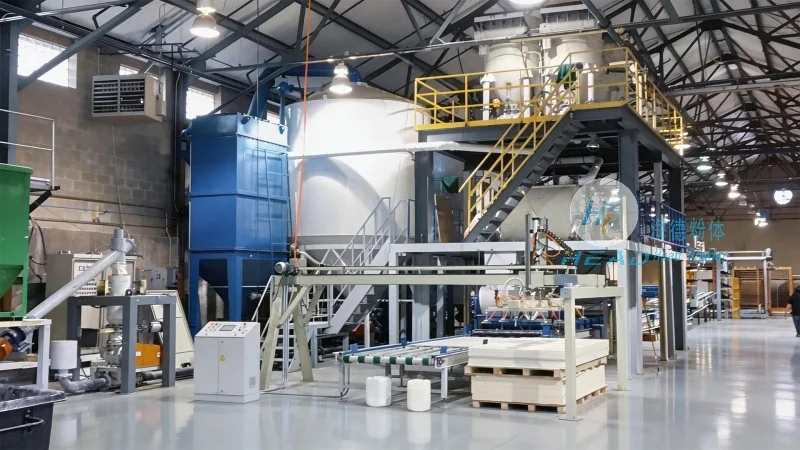
The Operational Process of Air-Driven Fluorspar Powder Transport
The operational process of air-driven fluorspar powder material handling involves several sequential steps. First, the fluorspar powder is loaded into the storage hopper. The feeder then regulates the amount of powder released into the conveying line. Simultaneously, the air compressor generates compressed air, which is introduced into the system. The air flow creates a negative pressure in the conveying line, drawing the powder particles along with it. As the mixture travels through the pipe, it reaches the receiving silo, where the powder is deposited. The air, now containing fine particles, passes through a dust collector, which filters out the particles and returns clean air to the system or releases it safely. Throughout this process, the system's controls continuously monitor parameters such as pressure, flow rate, and temperature to ensure optimal performance and prevent any disruptions. This automated process allows for continuous and efficient transport of fluorspar powder, minimizing downtime and maximizing productivity.
Advantages of Air-Driven Systems for Fluorspar Powder Handling
Compared to traditional material handling methods, air-driven systems offer several advantages when handling fluorspar powder. One of the primary benefits is the ability to transport the material over long distances without the need for multiple transfer points or intermediate storage. This reduces the risk of material degradation and contamination, which is crucial for high-purity applications. Additionally, these systems are highly flexible, allowing for changes in the transport route or capacity without significant modifications to the infrastructure. The enclosed nature of the system also minimizes dust emissions, improving workplace safety and environmental compliance. Furthermore, air-driven systems can handle a wide range of particle sizes and densities, making them suitable for various fluorspar grades and processing requirements. The energy efficiency of these systems, particularly when using energy-saving air compressors and optimized pipe designs, contributes to lower operational costs over time.
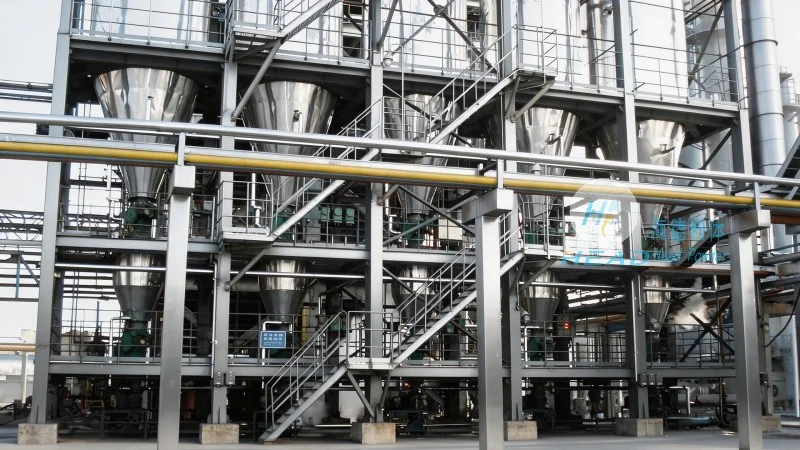
Applications and Industries Utilizing Air-Driven Fluorspar Powder Handling
Air-driven fluorspar powder material handling systems are widely used in several industries that rely on fluorspar as a raw material. In the steel and aluminum industries, fluorspar is used as a flux to lower the melting point of ores and improve the quality of the final product. Air-driven systems are employed to transport fluorspar from storage facilities to smelting furnaces, ensuring a steady supply of material. In the chemical industry, fluorspar is processed into hydrofluoric acid, a key component in various chemical reactions. The air-driven systems help move the powder from grinding and classification stages to the reaction vessels, maintaining a consistent flow and preventing material buildup. Additionally, in the pharmaceutical and food processing industries, where fluorspar may be used as a filler or processing aid, air-driven systems provide a hygienic and dust-free method of handling the material, adhering to strict quality and safety standards. The versatility of air-driven systems makes them suitable for a broad range of applications, from small-scale laboratory operations to large-scale industrial plants.
Maintenance and Best Practices for Air-Driven Fluorspar Powder Systems
To ensure the longevity and efficiency of air-driven fluorspar powder handling systems, regular maintenance and adherence to best practices are essential. Regular cleaning of the conveying line and components is crucial to prevent the buildup of powder residues, which can lead to blockages and reduced performance. The air compressor and filters should be inspected and replaced as needed to maintain optimal air quality and pressure. Additionally, the material feeder and control systems should be checked for proper operation to ensure consistent flow rates and pressure differentials. It is also important to monitor the system for any signs of wear and tear, such as pipe corrosion or component failure, and address them promptly to avoid costly downtime. Proper training of operators on the system's operation and maintenance is another key factor in ensuring reliable performance. By following these best practices, companies can maximize the lifespan of their air-driven systems and maintain high levels of productivity and safety when handling fluorspar powder.
Conclusion: The Role of Air-Driven Systems in Modern Fluorspar Processing
Air-driven material handling systems play a vital role in the efficient and safe processing of fluorspar powder. By leveraging the principles of pneumatic conveying, these systems offer a reliable, flexible, and cost-effective solution for transporting bulk materials. Shandong HeadPowder Engineering Co., Ltd. specializes in the design and implementation of such systems, providing customized solutions tailored to the specific needs of clients in various industries. With its headquarters in Shandong, China, the company combines advanced technology with practical expertise to deliver high-quality air-driven systems that meet the demands of modern fluorspar processing. As industries continue to seek more efficient and sustainable material handling solutions, air-driven systems remain a key technology in ensuring the smooth operation of fluorspar processing facilities. The combination of technical innovation and practical application makes air-driven fluorspar powder material handling an essential component of modern industrial operations.