

Operation Process and Working Principle of Pneumatic Conveying Systems for Dry Powder Materials
HeadPowder, a leading provider in the field, specializes in the design, manufacturing, and implementation of pneumatic conveying systems tailored for dry powder materials. This article delves into the operational process and underlying working principles of such systems, offering a comprehensive understanding for professionals and stakeholders in material handling and processing industries.
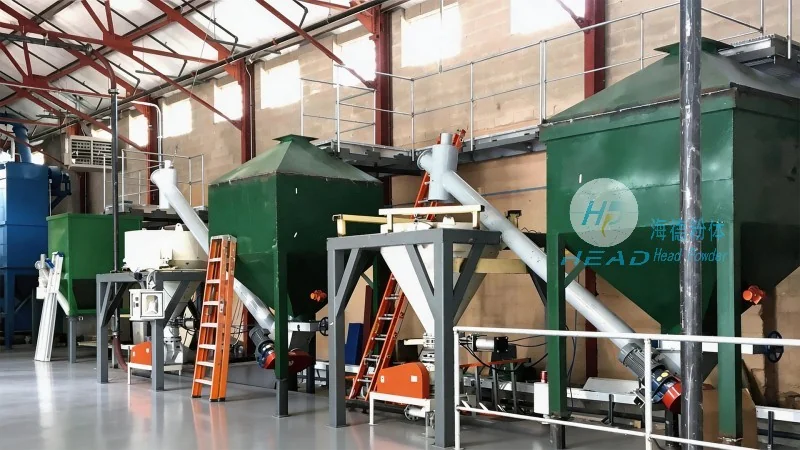
About HeadPowder Engineering Co., Ltd.
HeadPowder, the brand under Shandong HeadPowder Engineering Co., Ltd., is headquartered in Shandong, China. The company has established itself as a trusted partner in the development of efficient and reliable pneumatic conveying solutions, focusing on the unique challenges associated with transporting dry powders. With a commitment to innovation and quality, HeadPowder serves a wide range of industries, including pharmaceuticals, food processing, chemical manufacturing, and more.
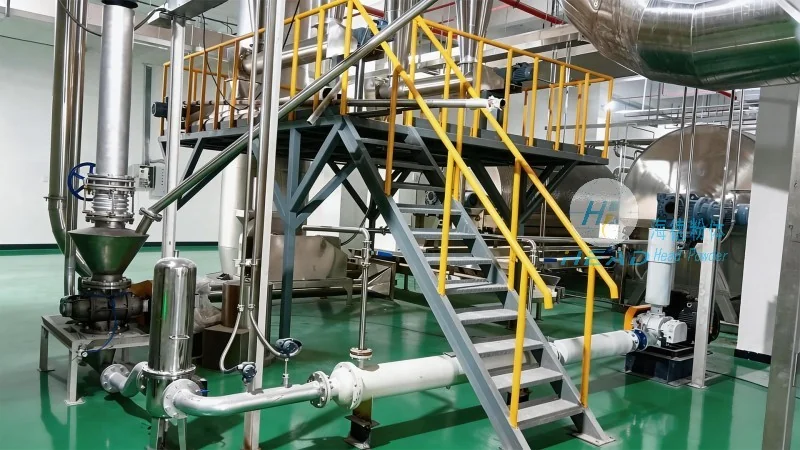
Working Principle of Pneumatic Conveying Systems
Pneumatic conveying systems operate by utilizing a pressurized or vacuum environment to transport dry powder materials through a pipeline. The core mechanism involves the introduction of air or other gases into the material, creating a fluidized state that allows the powder to be moved from the source to the destination. There are primarily two types of pneumatic conveying systems: dilute-phase and dense-phase. Dilute-phase systems use high-velocity air to transport particles in a dispersed state, while dense-phase systems employ lower velocities and higher material concentrations to ensure stable and controlled flow. The choice between these systems depends on factors such as material characteristics, distance, and required flow rates.
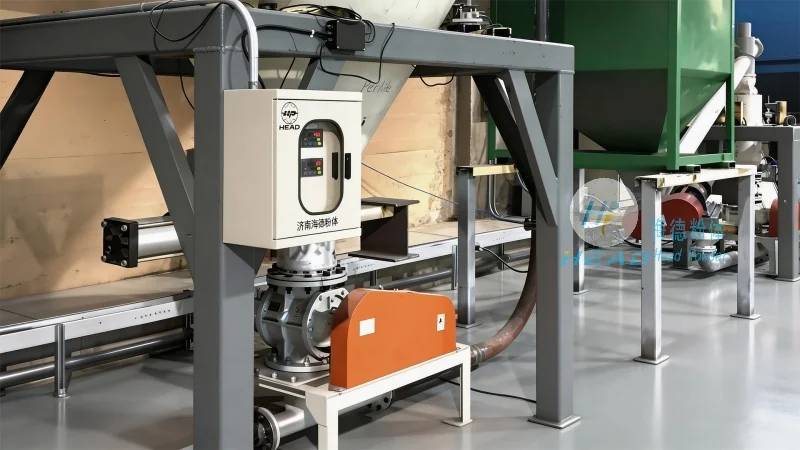
Operational Process of Pneumatic Conveying Systems
The operational process of a pneumatic conveying system typically involves several key steps. First, the dry powder material is loaded into a hopper or feeder, where it is prepared for transport. Next, the material is introduced into the conveying line, either via a rotary valve or a feed device, ensuring a consistent flow. The system then uses a blower or compressor to generate the necessary air pressure or vacuum, propelling the material through the pipeline. At the destination, the material is discharged into a receiver or storage tank. Throughout the process, control systems monitor parameters such as pressure, flow rate, and material level to maintain optimal performance and prevent system failures. Regular maintenance and monitoring are essential to ensure the longevity and efficiency of the system.
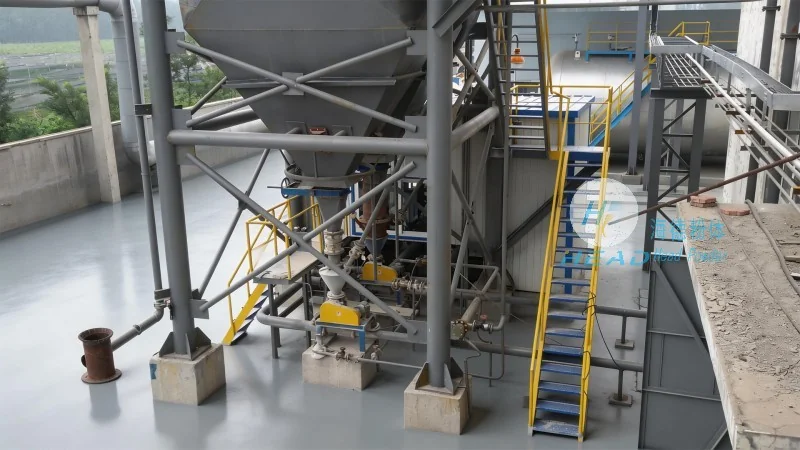
Advantages of Pneumatic Conveying Systems
Pneumatic conveying systems offer several advantages over traditional material handling methods. They provide a closed system, which minimizes dust emissions and contamination, making them ideal for industries with strict hygiene and environmental regulations. The systems are also highly flexible, allowing for changes in material flow direction and destination without significant modifications. Additionally, pneumatic conveying can handle a wide range of powder characteristics, including fine, abrasive, or sensitive materials, with minimal degradation. The automated nature of these systems reduces labor costs and improves operational efficiency, contributing to overall cost savings.