

Operation Process and Working Principle of Dry Sludge Material Pneumatic Conveying Line
HeadPowder, a leading engineering company based in Shandong, China, specializes in the design, manufacturing, and installation of advanced pneumatic conveying systems tailored for handling dry sludge materials. This article provides a detailed overview of the operational process and working principles of a dry sludge material pneumatic conveying line, highlighting the key components, system flow, and technical aspects that ensure efficient and reliable sludge transportation.
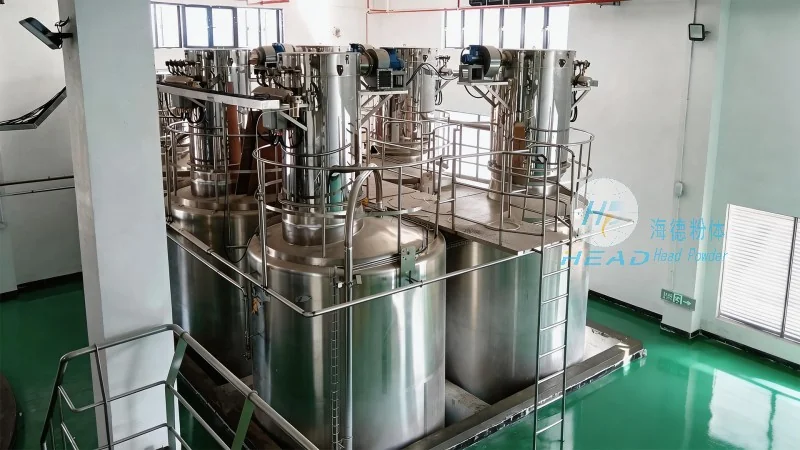
Introduction to Dry Sludge Material Pneumatic Conveying
Dry sludge, a byproduct of wastewater treatment processes, requires specialized handling due to its granular or fibrous nature and potential moisture content. Traditional methods like truck transport or belt conveyors may pose challenges such as contamination, odor control, and operational inefficiencies. Pneumatic conveying offers a solution by utilizing air pressure to transport dry sludge particles through a pipeline system, minimizing environmental impact and ensuring safe handling.
Key Components of the Pneumatic Conveying System
The dry sludge material pneumatic conveying line typically consists of several critical components that work in tandem to facilitate the transportation process. These include:
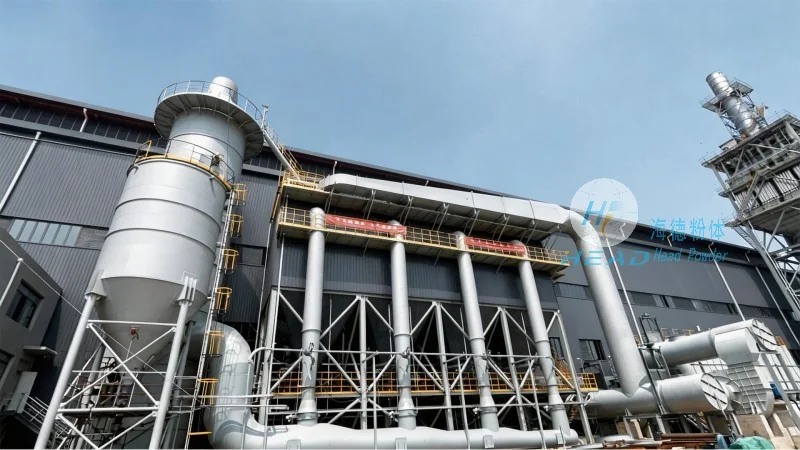
- Feeder System: A hopper or screw feeder that feeds dry sludge into the conveying line at a controlled rate, ensuring consistent material flow.
- Pneumatic Conveying Pipe: A network of pipes (usually stainless steel or corrosion-resistant materials) that form the main transportation path for the sludge particles. The pipe diameter and length are designed based on the material characteristics and required throughput.
- Blowers or Fans: High-pressure blowers or fans that generate the necessary air flow to move the sludge particles through the pipeline. The air velocity is critical to prevent particle deposition and ensure smooth transport.
- Separation and Collection Units: Equipment such as cyclones or filters that separate the sludge particles from the air stream at the receiving end, allowing for the collection of dry sludge and the return of air to the system.
- Control and Monitoring Systems: Sensors and control panels that monitor pressure, flow rate, and system performance, enabling real-time adjustments to maintain optimal operation.
Working Principle of the Pneumatic Conveying Process
The operation of a dry sludge material pneumatic conveying line follows a systematic sequence, starting from material intake to final collection. The process can be broken down into the following stages:
- Material Intake and Feeding: Dry sludge is fed into the system via a hopper or feeder. The feeder controls the rate of material input, ensuring a steady flow into the conveying line.
- Air Injection and Particle Suspension: High-pressure air is injected into the conveying pipe at specific points (e.g., at the feeder or along the pipe). The air velocity is sufficient to lift and suspend the dry sludge particles, creating a slurry-like mixture of air and material.
- Pipeline Transportation: The suspended sludge particles are carried through the pipeline system by the air flow. The pipe design, including bends and valves, is optimized to minimize pressure loss and maintain consistent flow velocity.
- Separation and Collection: At the receiving end, a separation unit (such as a cyclone) uses centrifugal force to separate the sludge particles from the air stream. The separated sludge is collected in a hopper or storage tank, while the air is filtered and returned to the system for reuse.
- System Monitoring and Control: Continuous monitoring of pressure, flow, and temperature ensures that the system operates within safe and efficient parameters. Any deviations are automatically adjusted by the control system to maintain optimal performance.
Operational Process and Efficiency Considerations
The dry sludge material pneumatic conveying line operates continuously, with the system designed to handle varying throughput requirements. Key operational considerations include:
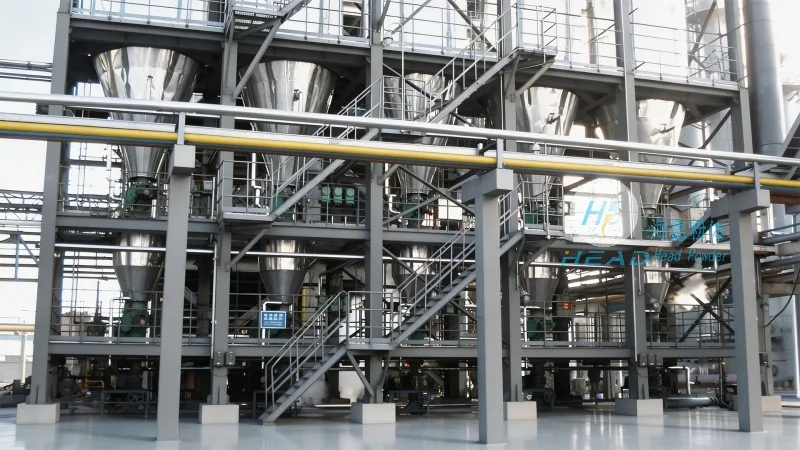
- Material Characteristics: The size, density, and moisture content of the dry sludge affect the air velocity and pressure required for efficient transport. Proper system sizing is crucial to avoid blockages or excessive energy consumption.
- System Sizing and Design: The conveying line is designed based on the specific application, including the distance between the intake and collection points, the required throughput, and the number of transfer points. Proper sizing ensures minimal pressure drop and energy efficiency.
- Energy Efficiency: Modern pneumatic conveying systems incorporate energy-saving features such as variable frequency drives (VFDs) for blowers, which adjust air flow based on demand, reducing energy consumption.
- Maintenance and Durability: The use of corrosion-resistant materials (e.g., stainless steel) and regular maintenance (e.g., filter cleaning, pipe inspection) ensures the longevity and reliability of the system.
Advantages of Dry Sludge Pneumatic Conveying
Compared to traditional transportation methods, dry sludge material pneumatic conveying offers several advantages:
- Environmental Benefits: The enclosed pipeline system minimizes dust emissions and odor, reducing environmental impact and improving workplace safety.
- Efficiency and Speed: The system allows for rapid and continuous transportation of dry sludge, reducing handling time and labor costs.
- Space Efficiency: The pipeline layout can be customized to fit limited space, making it suitable for urban or industrial settings.
- Reduced Contamination: The enclosed system prevents cross-contamination with other materials, ensuring the purity of the dry sludge for subsequent processing or disposal.
Conclusion
HeadPowder Engineering Co., Ltd., with its expertise in pneumatic conveying systems, provides comprehensive solutions for the efficient and reliable transportation of dry sludge materials. By understanding the operational process and working principles of such systems, industries can optimize their wastewater treatment processes and enhance overall operational efficiency. The dry sludge material pneumatic conveying line, as described, represents a modern and effective approach to handling dry sludge, contributing to sustainable waste management practices.