

Operation Process and Working Principle of Pneumatic Conveying Line for Wet Ammonium Nitrate Materia
HeadPowder, a leading engineering firm based in Shandong, China, specializes in the design and implementation of advanced pneumatic conveying systems tailored for handling wet ammonium nitrate materials. These systems are crucial in industrial processes where efficient, safe, and reliable material transport is essential. The following sections detail the operation process and working principles of such a system, providing insights into how it functions and the key components involved.
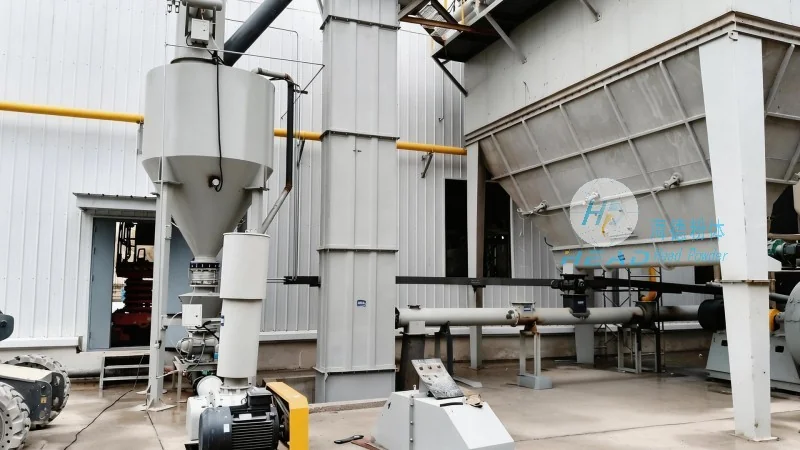
Key Components of the Pneumatic Conveying Line
The pneumatic conveying line for wet ammonium nitrate typically consists of several integrated components that work in tandem to ensure smooth material transport. The primary components include the material feed hopper, the conveying pipeline, the air supply system (either positive pressure or vacuum), the separation and cleaning units, and the discharge equipment. Each component plays a vital role in the overall system performance and efficiency.
Material Feed and Preparation
The process begins with the wet ammonium nitrate being fed into the material hopper. This hopper is designed to store the material and provide a controlled feed rate to the conveying system. The hopper may include a feeding mechanism, such as a rotary valve or a screw feeder, which regulates the flow of material into the pipeline. Proper preparation of the material, including moisture content management and particle size control, is critical to prevent blockages and ensure consistent conveying performance.
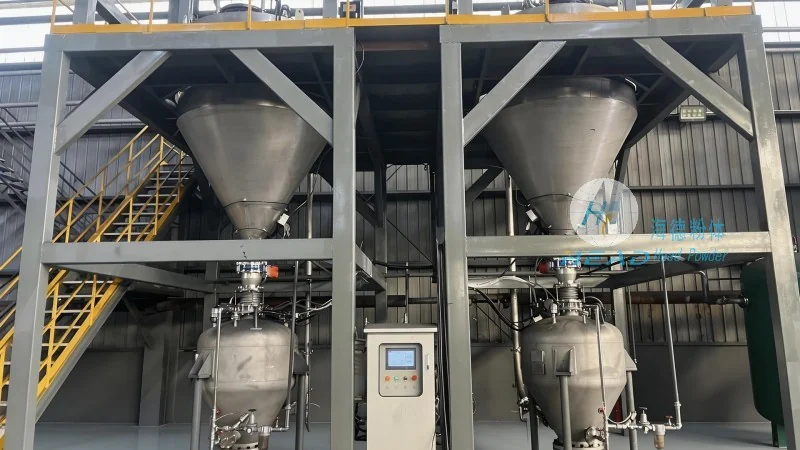
Conveying Process: Positive Pressure vs. Vacuum Systems
HeadPowder’s systems can operate using either positive pressure or vacuum principles, depending on the specific application requirements. In positive pressure systems, high-pressure air is introduced into the conveying line, creating a pressure differential that propels the material forward. This method is often preferred for long-distance or high-capacity conveying. Vacuum systems, on the other hand, use a vacuum pump to create a negative pressure environment, drawing the material into the pipeline. Both approaches are effective, but the choice depends on factors like material properties, distance, and system complexity.
Working Principle: How the System Transports Material
The core working principle of the pneumatic conveying line involves the interaction between the material particles and the air stream. As air is introduced into the pipeline, it creates a fluidized state within the conveying line, allowing the wet ammonium nitrate particles to be suspended and transported. The velocity of the air must be sufficient to overcome the gravitational forces acting on the particles and any friction within the pipeline. The system maintains a consistent air flow rate and pressure to ensure that the material moves smoothly without clogging or degradation.
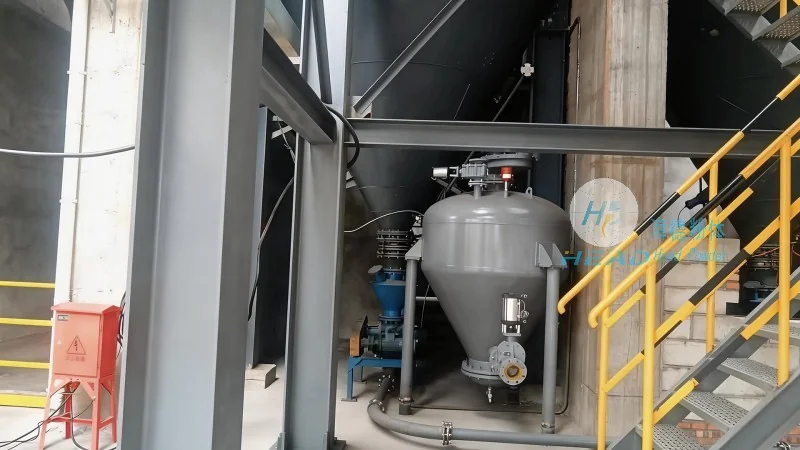
Separation and Cleaning Units
After the material reaches its destination, it needs to be separated from the air stream. The system includes separation units, such as cyclones or filters, which capture the material particles and return them to the process. These units are essential for maintaining the purity of the material and preventing dust emissions. Additionally, cleaning mechanisms are integrated to remove any residual material from the air stream, ensuring the system operates efficiently over time.
Discharge and Material Handling
The final stage of the conveying process involves the discharge of the wet ammonium nitrate from the pipeline into the receiving container or processing unit. The discharge equipment, such as a rotary valve or a pressure relief valve, controls the flow of material out of the system. Proper discharge management is crucial to prevent material buildup and ensure a smooth transition to the next stage of the production process.
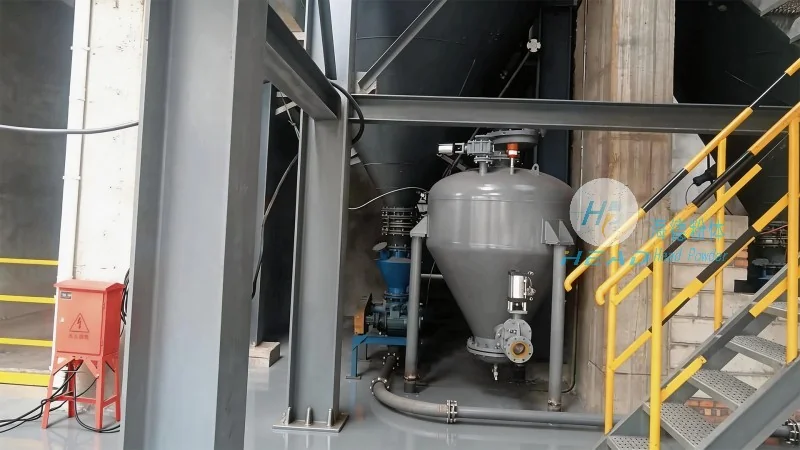
Operational Considerations and Maintenance
For optimal performance, the pneumatic conveying line requires regular maintenance and monitoring. This includes checking air pressure and flow rates, inspecting the conveying pipeline for blockages or wear, and cleaning the separation units. HeadPowder provides comprehensive support for system maintenance, ensuring that the equipment operates reliably and efficiently. Regular maintenance helps to extend the lifespan of the system and minimize downtime, which is critical for industrial operations.
Conclusion: Advantages of the Pneumatic Conveying Line
HeadPowder’s pneumatic conveying line for wet ammonium nitrate offers several advantages over traditional material handling methods. These include reduced labor costs, improved safety by minimizing manual handling, and enhanced process efficiency. The system is designed to handle the unique challenges posed by wet ammonium nitrate, such as its moisture content and potential for clogging, making it a reliable solution for industrial applications. By understanding the operation process and working principles, users can appreciate the sophistication and effectiveness of this technology in material transport.