

Operation Process and Working Principle of Air-Driven Cereal Pulp Material Conveyors
For industrial applications involving the handling of cereal pulp residues, such as those generated in grain processing facilities, efficient and reliable material transport is crucial. The air-driven conveyor system, specifically designed for cereal pulp materials, offers a solution that combines performance with operational simplicity. This equipment, manufactured by Shandong HeadPowder Engineering Co., Ltd., is engineered to handle the unique characteristics of cereal residues, ensuring minimal degradation and optimal transport efficiency.
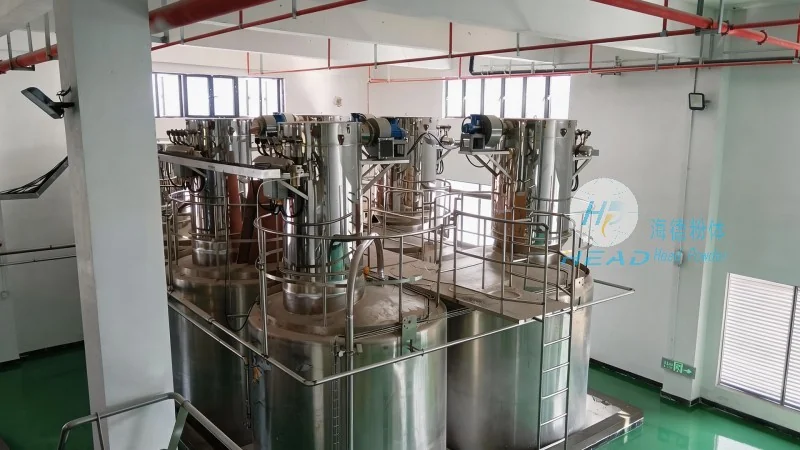
Working Principle of the Air-Driven Conveyor System
The core of the air-driven conveyor is the pneumatic transport mechanism, which utilizes a combination of air pressure and vacuum to move material through a pipeline. The system operates by creating a pressure differential between the inlet and outlet of the conveying line. At the inlet, a fan or blower generates a high-pressure air stream that draws the cereal pulp material into the pipeline. The material is then suspended in the air stream and transported to the discharge point. The vacuum at the discharge end helps to maintain the material flow and prevent backflow. The design incorporates a hopper for material storage and feeding, a rotary valve or feeder to control the material flow rate, and a pipeline network that connects the feeding and discharge points. The control system manages the air pressure and flow rate, ensuring consistent material transport.
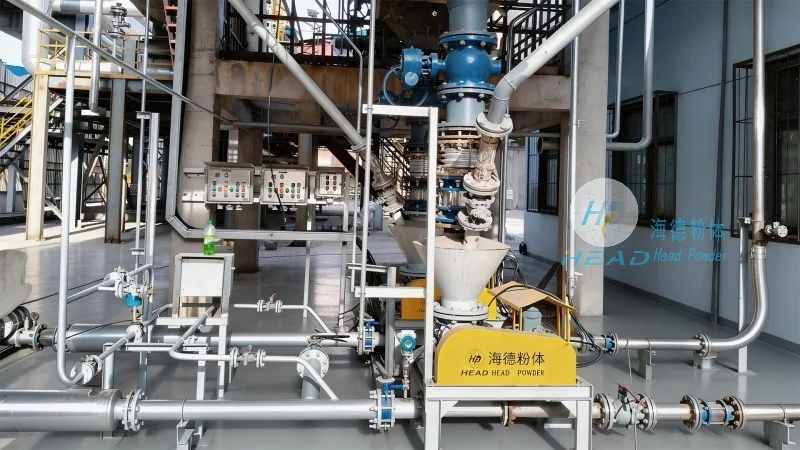
Operation Process of the Air-Driven Conveyor
The operation of the air-driven cereal pulp material conveyor follows a systematic process to ensure smooth and continuous material handling. The process begins with the preparation of the system: the hopper is filled with the cereal pulp material, and the rotary valve or feeder is adjusted to the desired flow rate. The control panel is then activated, which starts the fan or blower to generate the necessary air pressure. As the air stream is established, the material is drawn from the hopper into the pipeline. The material is carried by the air flow, maintaining a consistent velocity to prevent settling or blockage. At the discharge point, the vacuum system helps to release the material, which is collected in a receiving container. The system continues to operate until the material in the hopper is depleted or the process is manually stopped. The control system allows for real-time monitoring of the air pressure, flow rate, and material level, enabling operators to adjust the settings as needed to maintain optimal performance.
Key Components and Their Functions
The air-driven conveyor system consists of several key components, each playing a critical role in the overall operation. The hopper serves as the material storage and feeding unit, providing a consistent supply of cereal pulp to the system. The rotary valve or feeder controls the flow rate of the material into the pipeline, preventing overfeeding and ensuring smooth transport. The fan or blower generates the air pressure and flow required to move the material through the pipeline. The pipeline network, typically made of stainless steel or other corrosion-resistant materials, is designed to withstand the abrasive nature of cereal pulp and maintain the air pressure. The control system, including sensors and a control panel, monitors and regulates the operation of the fan, feeder, and other components, ensuring safe and efficient operation. The discharge system, which may include a vacuum or pressure relief valve, helps to maintain the material flow and prevent backflow.
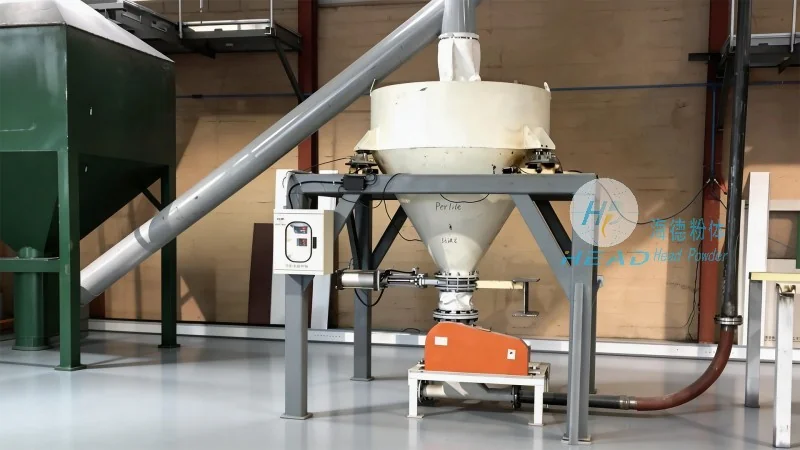
Advantages of Using Air-Driven Cereal Pulp Material Conveyors
Compared to traditional mechanical conveyors, the air-driven system offers several advantages for handling cereal pulp materials. First, it eliminates the need for moving parts in contact with the material, reducing the risk of material degradation and contamination. Second, the pneumatic transport mechanism allows for a more flexible and compact system, as the pipeline can be arranged in various configurations to suit the layout of the processing facility. Third, the system is capable of transporting materials over long distances with minimal energy consumption, making it an energy-efficient solution. Fourth, the air-driven conveyor is easy to clean and maintain, as the pipeline can be flushed with air or water to remove residual material. These advantages make the air-driven conveyor an ideal choice for industrial applications where material quality and operational efficiency are paramount.