

Operation Process and Working Principle of Sugar Material Pneumatic Conveying Machine
HeadPowder, a leading manufacturer based in Shandong, China, specializes in the design and production of advanced pneumatic conveying systems tailored for sugar processing industries. This article provides a detailed overview of the operation process and working principles of sugar material pneumatic conveying machines, highlighting the key components, operational mechanisms, and the efficiency they bring to sugar handling operations.
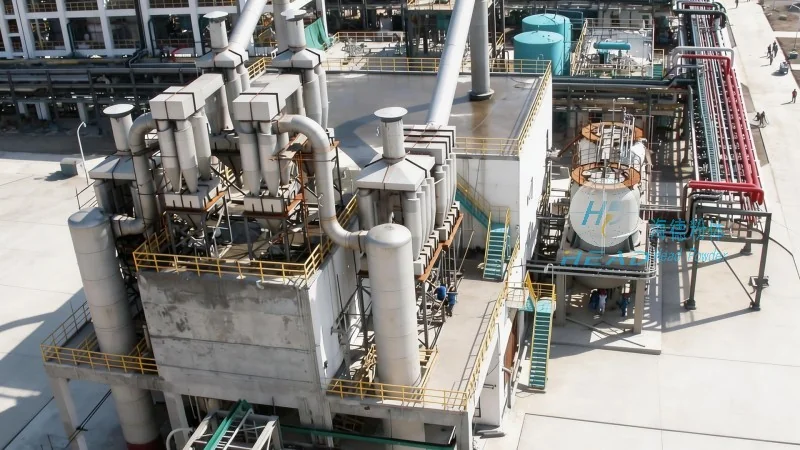
Key Components of a Sugar Material Pneumatic Conveying System
The sugar material pneumatic conveying machine typically consists of several critical components that work in tandem to ensure smooth material transport. These include the hopper for material storage, the air compressor or blower that generates the necessary air pressure, the conveying line (often made of flexible or rigid tubing), the control valve system for regulating air flow, and the discharge outlet where the sugar is deposited. Each component plays a vital role in maintaining the integrity and efficiency of the conveying process.
Working Principle of Pneumatic Conveying for Sugar Materials
The core working principle of a sugar material pneumatic conveying machine is based on the use of air to transport bulk materials. In this system, the sugar is fed into the hopper, where it is then drawn into the conveying line by the air flow generated by the compressor. The air pressure creates a negative pressure zone within the line, which pulls the sugar particles along with it. As the sugar moves through the line, it is propelled by the air current, overcoming gravity and any resistance in the system. The control valve system allows operators to adjust the air flow rate and pressure, ensuring optimal conveying speed and preventing material blockages or excessive pressure buildup.
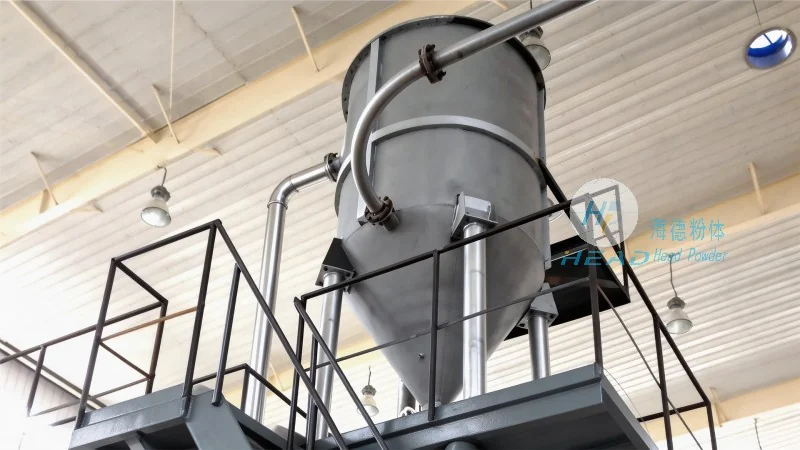
Operation Process of Sugar Material Pneumatic Conveying
The operation process of a sugar material pneumatic conveying machine involves several sequential steps. First, the sugar is loaded into the hopper, which is equipped with a feeding mechanism to regulate the flow rate. Next, the air compressor is activated, generating the required air pressure. The control valve is then set to the appropriate position to start the conveying process. As the air flows through the conveying line, it draws the sugar particles from the hopper and transports them to the discharge point. The system continuously operates until the hopper is emptied or the desired amount of sugar is conveyed. During operation, operators monitor the system parameters, such as air pressure and flow rate, to ensure stable and efficient performance. Any adjustments to the control valve or air compressor settings can be made to maintain optimal conveying conditions.
Advantages of Using Pneumatic Conveying for Sugar Handling
Implementing a pneumatic conveying system for sugar handling offers several advantages over traditional methods like belt conveyors or bucket elevators. Pneumatic conveying systems are highly efficient in terms of energy consumption, as they use air to transport materials with minimal mechanical contact. This reduces wear and tear on equipment and extends the lifespan of components. Additionally, the system is hygienic and suitable for food-grade applications, as it prevents contamination from external sources and maintains the purity of the sugar. The flexibility of the conveying line allows for easy reconfiguration of the system layout, adapting to changes in production requirements or facility expansions. Furthermore, pneumatic conveying systems can handle a wide range of sugar types, including granulated, powdered, and crystalline forms, without causing degradation or segregation of the material.
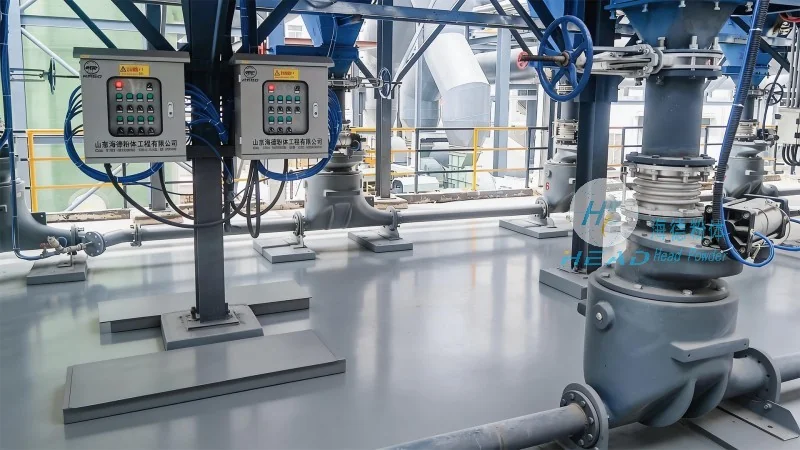
Applications in Sugar Processing Industries
Sugar material pneumatic conveying machines are widely used in various stages of sugar processing, from raw sugar storage and transport to refining and packaging. In sugar refineries, these systems are employed to transport raw sugar from storage silos to processing units, ensuring a continuous and uninterrupted supply of material. During the refining process, pneumatic conveying is used to move sugar slurry or molasses through different stages of filtration and crystallization. In the packaging stage, the system efficiently conveys refined sugar from storage tanks to packaging machines, maintaining consistent flow rates and preventing product loss. The versatility of the system makes it suitable for both large-scale industrial operations and smaller processing facilities, providing a reliable solution for sugar handling needs.
Maintenance and Operational Considerations
To ensure the long-term performance and reliability of a sugar material pneumatic conveying machine, regular maintenance is essential. Operators should follow the manufacturer's guidelines for routine checks, including inspecting the hopper for material buildup, checking the air compressor for proper operation, and cleaning the conveying line to prevent clogging. The control valve system should be calibrated periodically to maintain accurate air flow regulation. Additionally, monitoring the air pressure and flow rate during operation helps identify any potential issues early on, allowing for timely repairs and minimizing downtime. Proper training of operators on the system's operation and safety procedures is also crucial to prevent accidents and ensure smooth operation.