

Operation Process and Working Principle of Continuous Metering Material Feeding Pneumatic Conveying
Continuous metering material feeding pneumatic conveying machines are advanced industrial equipment designed to handle bulk materials efficiently. These machines are integral to various industries, including food processing, chemical manufacturing, and pharmaceutical production, where precise material handling is critical for operational efficiency and product quality. The operation and working principles of such equipment are essential for understanding their functionality and optimizing their performance in real-world applications.
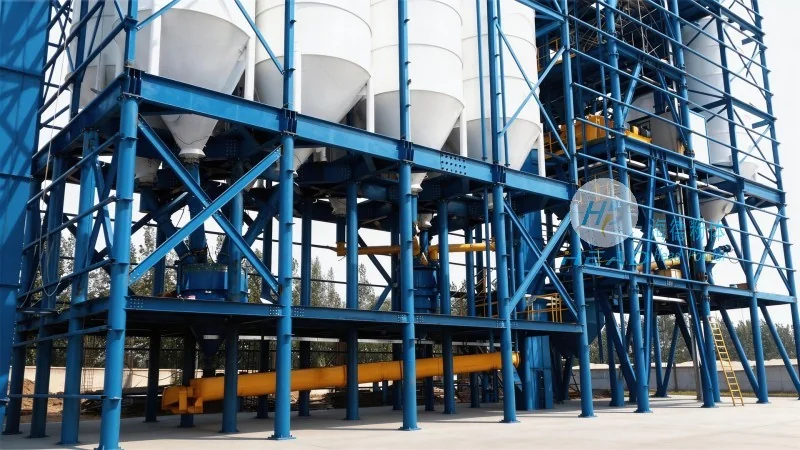
Overview of Continuous Metering Material Feeding Pneumatic Conveying Machines
Continuous metering material feeding pneumatic conveying machines, often referred to as bulk material handling systems, utilize pneumatic technology to transport and meter materials in a continuous flow. Unlike traditional batch feeding methods, these systems offer a seamless and controlled approach to material transfer, ensuring consistent feed rates and minimizing downtime. The design of these machines typically incorporates components such as a feeding hopper, a metering device, a conveying pipeline, and a discharge unit, all working in harmony to achieve precise material handling.
Key Components and Their Functions
The performance of a continuous metering material feeding pneumatic conveying machine relies on several key components, each playing a vital role in the overall operation. The feeding hopper is responsible for storing and supplying the bulk material to the system. It is equipped with a hopper agitator or a rotary valve to ensure a uniform flow of material into the metering device. The metering device, which is the core of the system, regulates the flow rate of the material, often using a variable-speed drive or a flow control valve to maintain a consistent feed rate. The conveying pipeline, usually made of stainless steel or other corrosion-resistant materials, transports the material from the metering point to the discharge point. The discharge unit, which may include a rotary valve or a pneumatic actuator, controls the release of material from the pipeline, ensuring accurate and controlled discharge.
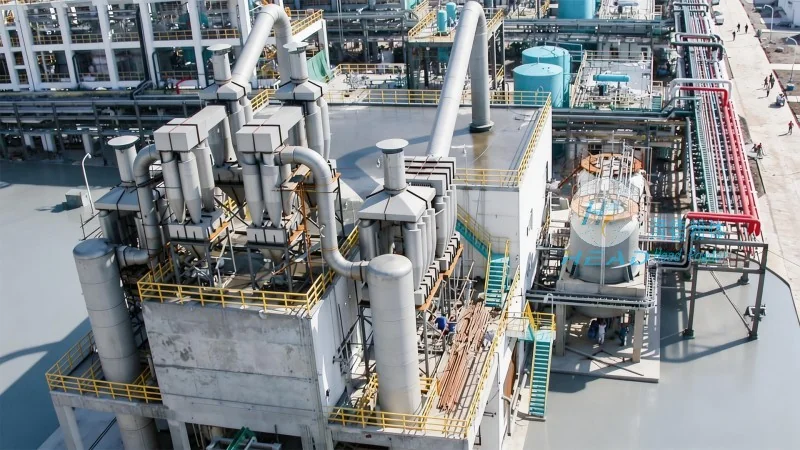
Working Principle of the System
The operation of a continuous metering material feeding pneumatic conveying machine is based on the principle of pneumatic conveying, where material is transported through a pipeline using air or gas as the conveying medium. The process begins with the material being fed from the hopper into the metering device. The metering device then controls the flow rate of the material, which is then introduced into the conveying pipeline. Compressed air is introduced at the inlet of the pipeline, creating a flow that carries the material particles along the pipeline. The air velocity is carefully controlled to ensure that the material is conveyed without clogging or degradation. The material is then discharged from the pipeline at the desired location, where it is collected in a receiving hopper or directly into a processing unit.
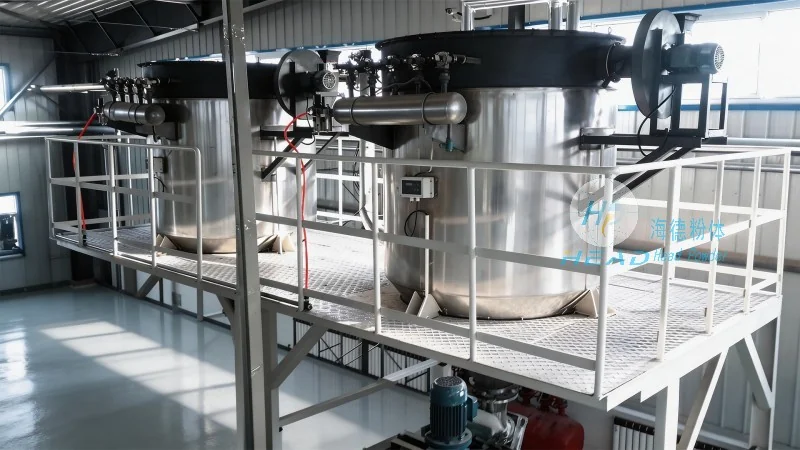
Advantages of Continuous Metering Material Feeding Pneumatic Conveying Machines
Continuous metering material feeding pneumatic conveying machines offer several advantages over traditional material handling methods. Firstly, they provide precise and consistent material feed rates, which is crucial for processes that require exact material quantities, such as in pharmaceutical manufacturing or food processing. Secondly, these systems are highly efficient, with minimal material loss and reduced downtime due to their continuous operation. Thirdly, they are versatile and can handle a wide range of materials, including powders, granules, and bulk solids, with minimal maintenance requirements. Additionally, the enclosed design of the system helps to prevent dust emissions and ensures a clean working environment, which is essential in industries where hygiene and safety are paramount.
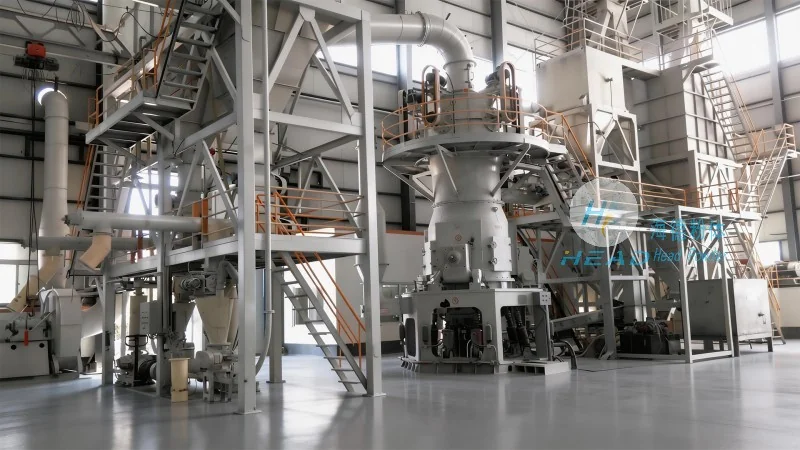
Applications in Different Industries
Continuous metering material feeding pneumatic conveying machines are widely used in various industries due to their adaptability and efficiency. In the food industry, these machines are used to handle ingredients such as flour, sugar, and spices, ensuring consistent feed rates for production lines. In the chemical industry, they are employed to transport chemicals and powders, maintaining safety and precision in the manufacturing process. The pharmaceutical industry also relies on these systems to handle active pharmaceutical ingredients (APIs) and other sensitive materials, where contamination and precise dosing are critical. Furthermore, in the agricultural sector, these machines are used to transport grain and other bulk agricultural products, improving the efficiency of storage and processing operations.
Operational Considerations and Maintenance
Proper operation and maintenance of continuous metering material feeding pneumatic conveying machines are essential to ensure their longevity and optimal performance. Regular cleaning of the hopper and pipeline is necessary to prevent material buildup and clogging, which can affect the flow rate and efficiency of the system. The metering device should be checked regularly to ensure that it is functioning correctly and maintaining the desired feed rate. The compressed air system should also be maintained to ensure consistent air pressure and flow, as fluctuations can impact the conveying performance. Additionally, the system should be inspected for any signs of wear and tear, such as leaks or damaged components, and replaced or repaired as needed. By following proper operational and maintenance procedures, the lifespan of the equipment can be extended, and operational costs can be minimized.