

Introduction to Pneumatic Conveying of Wheat Starch: Structure and Principle Overview
Shandong HeadPowder Engineering Co., Ltd. is a professional manufacturer specializing in the design, production, and supply of pneumatic conveying systems, particularly for wheat starch applications. The company is headquartered in Shandong, China, and has established a strong reputation in the industry for its reliable and efficient solutions tailored to the unique requirements of starch processing. With a focus on innovation and quality, HeadPowder provides comprehensive services from system design and installation to maintenance and technical support, ensuring optimal performance and durability for clients in the food and chemical sectors.
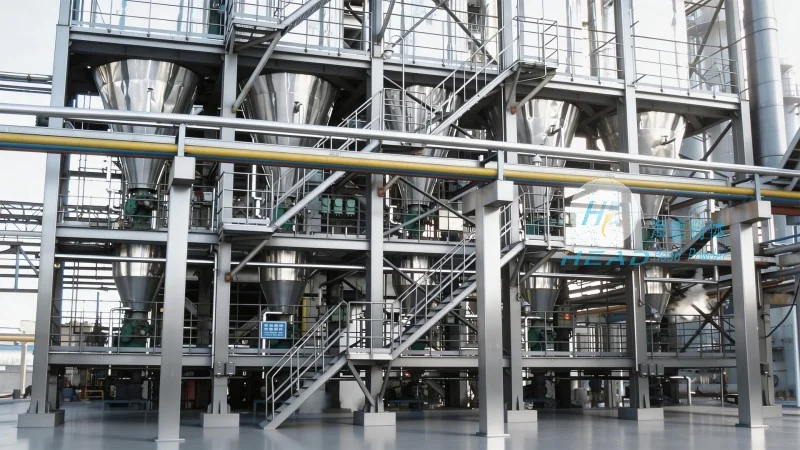
Pneumatic Conveying Systems for Wheat Starch: Overview of Structure and Principle
Pneumatic conveying of wheat starch involves the use of air or other gases to transport dry powder materials like wheat starch through a pipeline system. This method offers several advantages over traditional mechanical conveying, including reduced product contamination, lower energy consumption, and the ability to handle materials in a dust-free environment. The core components of a typical pneumatic conveying system for wheat starch include a hopper for material storage, a feeder to control the flow rate, a conveying line (often equipped with bends and valves), and a receiver for the discharged material. The system operates on the principle of creating a pressure differential between the inlet and outlet of the conveying line, using either positive pressure (where air is forced into the line) or negative pressure (where air is drawn out), to move the starch particles through the system.
Key Structural Components and Their Functions in Wheat Starch Pneumatic Conveying
The structural design of a pneumatic conveying system for wheat starch is critical to its efficiency and reliability. The main components include: 1. **Material Hopper**: This container holds the wheat starch, ensuring a consistent feed to the system. It is typically equipped with a discharge valve and sometimes a level indicator to monitor the material level. 2. **Feeder**: The feeder controls the flow rate of the starch into the conveying line, preventing overloading and ensuring smooth operation. Common types include rotary valves, screw feeders, or vibratory feeders, which are chosen based on the specific characteristics of the wheat starch (e.g., particle size, moisture content). 3. **Conveying Line**: The pipeline through which the starch is transported. It is usually made of stainless steel or other corrosion-resistant materials to withstand the abrasive nature of starch particles and to maintain hygiene standards. The line may include bends, elbows, and straight sections, with appropriate supports to prevent sagging or damage. 4. **Air Supply Unit**: This component generates the necessary air pressure or vacuum to move the starch. It includes a blower or vacuum pump, air filters, and a control system to regulate the air flow and pressure. 5. **Receiver**: The container where the conveyed wheat starch is deposited. It is designed to collect the material efficiently and may include a discharge valve and a level indicator for monitoring. Each component works in coordination to ensure the seamless and efficient transport of wheat starch from the storage hopper to the final destination.
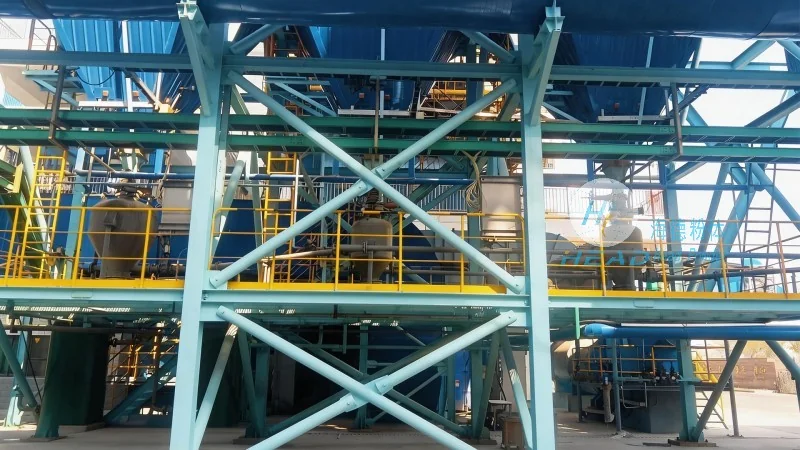
Operating Principle of Pneumatic Conveying for Wheat Starch: How It Works
The operation of a pneumatic conveying system for wheat starch is based on the principle of fluidization and suspension of the powder particles in the air stream. In positive pressure systems, a blower supplies compressed air into the conveying line, creating a pressure higher than the ambient air. As the air flows through the line, it picks up the wheat starch particles from the hopper and carries them to the receiver. The air velocity is maintained above the minimum fluidization velocity of the starch particles to keep them suspended and prevent settling. In negative pressure systems, a vacuum pump creates a low pressure at the receiver end, drawing the air and starch particles from the hopper through the line to the receiver. The air flow rate is carefully controlled to ensure that the particles are not damaged or agglomerated during transport. The system’s control system monitors parameters such as pressure, flow rate, and material level, adjusting the air supply or feeder speed as needed to maintain optimal operation. This principle allows for the safe and efficient handling of wheat starch, minimizing product degradation and ensuring consistent quality.
Advantages of Pneumatic Conveying for Wheat Starch Processing
Implementing pneumatic conveying systems for wheat starch processing offers several key advantages that enhance operational efficiency and product quality. First, it provides a dust-free environment, which is crucial for maintaining the purity of wheat starch and preventing contamination from external sources. This is particularly important in food processing applications where hygiene standards are stringent. Second, pneumatic conveying reduces the risk of product degradation due to minimal contact with equipment surfaces and reduced exposure to air. Third, the system is energy-efficient compared to mechanical conveying methods, as it uses air pressure or vacuum rather than mechanical components like belts or chains that require more energy. Fourth, it allows for flexible and scalable system designs, enabling easy integration with existing processing lines or expansion to accommodate increased production volumes. Finally, the enclosed pipeline system minimizes material loss and improves overall material handling efficiency, leading to cost savings and better inventory management. These advantages make pneumatic conveying an ideal solution for wheat starch processing plants seeking to optimize their material handling processes.
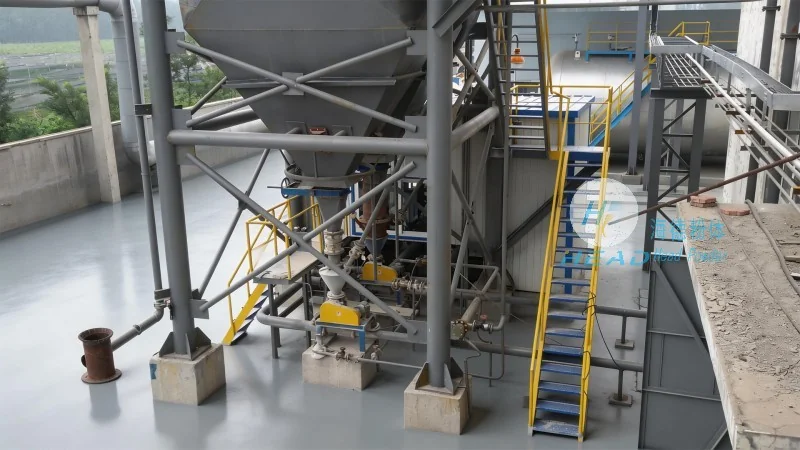
Application Examples and Industry Use Cases
Pneumatic conveying systems for wheat starch are widely used in various industrial applications, particularly in the food and chemical industries. For example, in starch processing plants, these systems are used to transport wheat starch from storage silos to processing equipment such as mills, driers, or packaging lines. In food manufacturing facilities, they are employed to move starch for use in baking, confectionery, and other food products, ensuring that the starch is delivered to the production line in a clean and controlled manner. Additionally, in chemical industries, wheat starch may be used as a raw material for other products, and pneumatic conveying systems facilitate the transfer of starch from storage to reaction vessels or other processing equipment. The versatility of pneumatic conveying allows it to be adapted to different production scales and operational requirements, making it a preferred choice for companies in the starch industry. By leveraging the benefits of this technology, businesses can improve their production efficiency, maintain product quality, and reduce operational costs.
Conclusion: The Role of Pneumatic Conveying in Modern Wheat Starch Processing
In conclusion, pneumatic conveying systems represent a sophisticated and efficient solution for the handling of wheat starch in modern processing facilities. The structural design and operating principles of these systems are tailored to the unique characteristics of wheat starch, ensuring reliable and hygienic material transport. As a leading manufacturer in this field, Shandong HeadPowder Engineering Co., Ltd. provides high-quality pneumatic conveying systems that meet the demanding requirements of the wheat starch industry. By investing in such systems, companies can enhance their operational efficiency, maintain product quality, and stay competitive in the market. The future of wheat starch processing is likely to continue to rely on advanced material handling technologies like pneumatic conveying, as they offer sustainable and effective solutions for the industry's evolving needs.