

Introduction to and Structural Principles of Pneumatic Conveying for Limestone and Stone Powders
HeadPowder, a leading provider in the field of material handling solutions, specializes in the design, manufacturing, and implementation of advanced pneumatic conveying systems tailored for the efficient transport of limestone and stone powders. This article provides a comprehensive overview of the technology, structural components, and operational principles behind these systems, highlighting the key features that make them indispensable in various industrial applications.
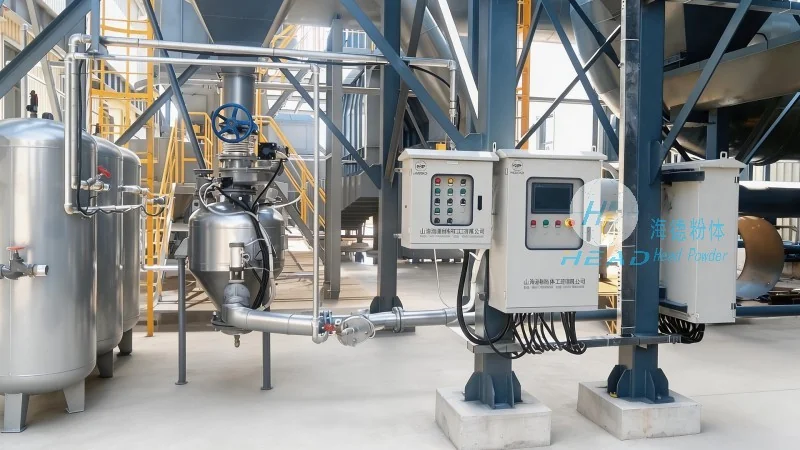
Understanding Pneumatic Conveying Systems for Limestone and Stone Powders
Pneumatic conveying is a method of transporting bulk materials, such as limestone and stone powders, through a pipeline using a gas stream, typically air or a mixture of air and other gases. This technology offers significant advantages over traditional mechanical conveying methods, including reduced maintenance, lower energy consumption, and enhanced safety in handling potentially dusty or hazardous materials. The systems are designed to handle a wide range of particle sizes and moisture contents, making them versatile for different industrial processes.
Key Structural Components of Pneumatic Conveying Systems
The effectiveness of a pneumatic conveying system for limestone and stone powders relies on several critical structural components that work in harmony to ensure efficient material transport. These components include:
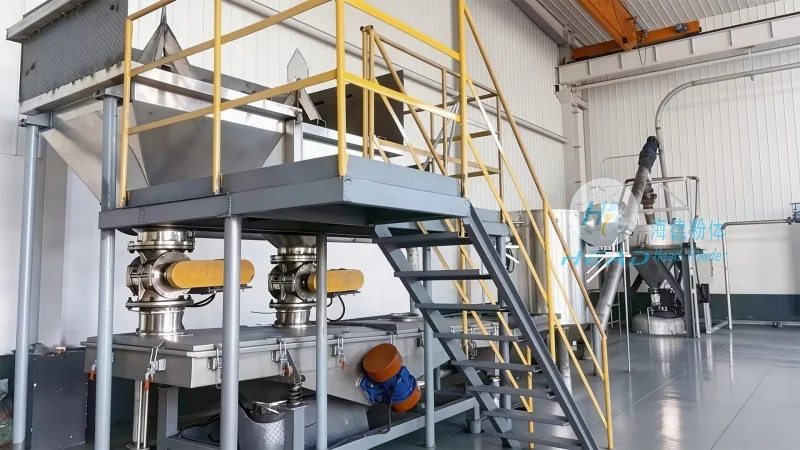
- Feeder Unit: This component is responsible for feeding the limestone or stone powder into the conveying line at a controlled rate. It ensures a consistent flow of material, preventing blockages and maintaining system efficiency. The feeder can be designed as a rotary valve, screw feeder, or other types of feeders depending on the specific requirements of the application.
- Pneumatic Conveying Line: The pipeline system that transports the material from the feeder to the discharge point. It is typically made of materials like stainless steel or plastic, chosen based on the properties of the material being conveyed and the operating conditions. The line may include bends, elbows, and other fittings to direct the material flow and maintain pressure within the system.
- Air Supply System: This includes the compressor, air dryer, and filter system that generates and conditions the air used to move the material. The air supply system is crucial for maintaining the necessary pressure and airflow to ensure the material is conveyed smoothly and without clogging. Proper air filtration is essential to prevent dust accumulation and maintain system performance.
- Discharge Unit: The component where the material is discharged from the conveying line. It may include a rotary valve or other equipment to control the release of the material into the next process or storage area. The discharge unit is designed to prevent material backflow and ensure a clean, controlled discharge.
- Control System: An integrated control system that monitors and regulates the operation of the pneumatic conveying system. It may include sensors for pressure, flow, and level, as well as control panels to adjust the feeder speed, air pressure, and other parameters. This system ensures optimal performance and helps prevent system failures or inefficiencies.
Operational Principles and Efficiency Factors
The operational principles of pneumatic conveying systems for limestone and stone powders are based on the interaction between the material particles and the gas stream. The key factors that influence the efficiency of the system include:
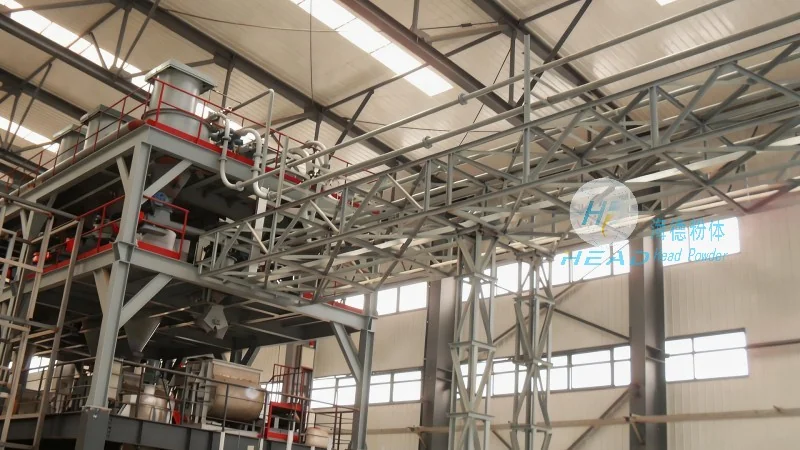
- Velocity and Pressure: The velocity of the air and the pressure within the pipeline are critical parameters. The air velocity must be sufficient to lift and transport the material particles without causing excessive wear or energy consumption. Proper pressure management ensures that the material moves smoothly through the system without clogging or degradation.
- Particle Size and Density: The size and density of the limestone or stone powder particles affect the conveying capacity and system design. Larger or denser particles may require higher air velocities and pressure to be conveyed effectively. The system design must be optimized based on the specific characteristics of the material being handled.
- Moisture Content: The moisture content of the material can impact the conveying process. Excessive moisture may cause the material to clump or stick to the pipeline, leading to clogging. The system may include drying components or be designed to handle materials with specific moisture levels to maintain efficiency.
- System Sizing and Layout: The overall design and layout of the pneumatic conveying system are crucial for its performance. Proper sizing of the pipeline diameter, length, and components ensures that the system operates efficiently and within the required parameters. The layout must consider the distance between the feeder and discharge points, as well as any obstacles or changes in elevation that may affect the material flow.
Applications and Benefits in Industrial Settings
Pneumatic conveying systems for limestone and stone powders are widely used in various industrial applications, including:
- Construction Materials Industry: Used for transporting limestone and other stone powders in the production of cement, concrete, and other building materials. The systems help in efficient material handling from storage to processing units.
- Chemical and Pharmaceutical Manufacturing: Employed in the transport of limestone as a raw material or filler in the production of chemicals and pharmaceutical products. The systems ensure a clean and controlled transfer of material, minimizing contamination risks.
- Mining and Mineral Processing: Utilized in the handling of limestone and other mineral powders during mining operations and processing. The systems help in moving raw materials from storage to processing plants or for waste disposal.
- Food and Agriculture Sector: Applied in the transport of limestone as a supplement or filler in food products and agricultural applications. The systems ensure a hygienic and efficient transfer of material, meeting industry standards for cleanliness and safety.
Overall, pneumatic conveying systems for limestone and stone powders offer significant benefits in terms of efficiency, safety, and cost-effectiveness. By understanding the structural components and operational principles, industries can optimize their material handling processes and improve overall productivity. HeadPowder, with its expertise in engineering and manufacturing, provides tailored solutions that meet the specific needs of clients, ensuring reliable and efficient operation of pneumatic conveying systems for limestone and stone powders.