

Introduction to Corn Kernels Pneumatic Conveying: Structure and Working Principle
HeadPowder, a leading engineering company based in Shandong, China, specializes in the design and implementation of advanced pneumatic conveying systems for various bulk materials, including corn kernels. This article provides a comprehensive overview of the corn kernels pneumatic conveying system, focusing on its structural components and operational principles to help users understand its functionality and benefits.
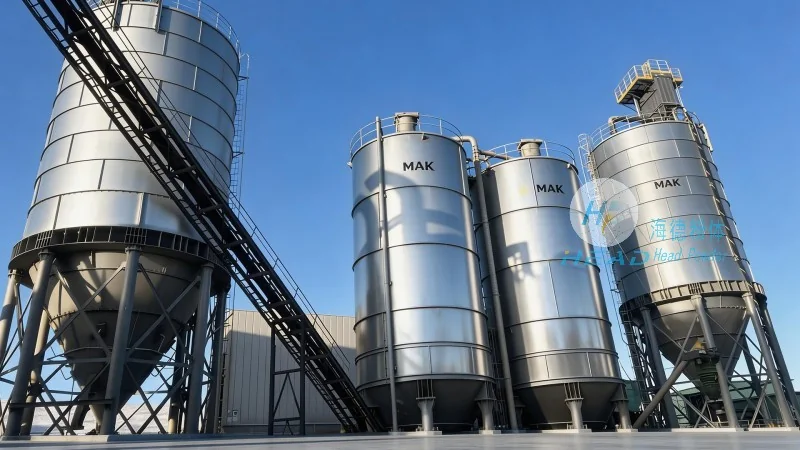
Understanding Pneumatic Conveying Systems for Corn Kernels
Pneumatic conveying is a method of transporting bulk materials like corn kernels through a pipeline using air or gas as the conveying medium. Unlike traditional mechanical systems that rely on belts, screws, or buckets, pneumatic systems utilize the force of air to move materials, offering advantages such as reduced equipment wear, lower maintenance costs, and the ability to handle materials with high moisture content or delicate characteristics. For corn kernels, which are often used in food processing, animal feed, and industrial applications, an efficient and reliable conveying system is crucial to maintain product quality and operational efficiency.
Key Structural Components of the Corn Kernels Pneumatic Conveying System
The corn kernels pneumatic conveying system consists of several critical components that work together to ensure smooth material transport. The main parts include the hopper, feeder, conveying line, airlock, and receiver. Each component plays a vital role in the overall operation:
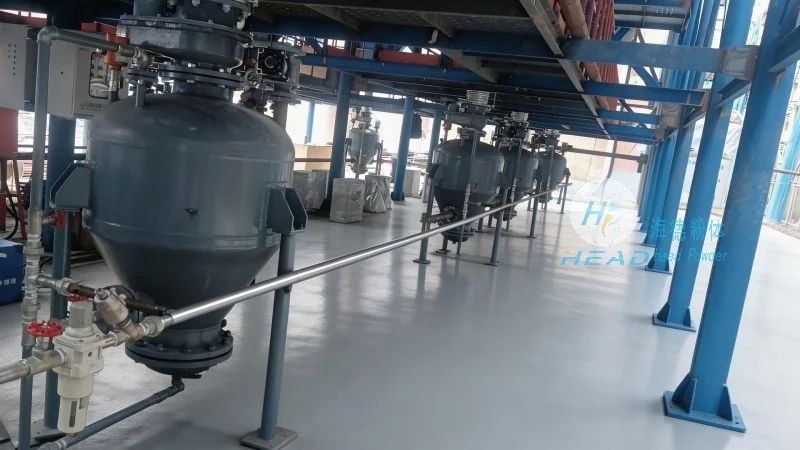
- Hopper: The hopper is the storage container where corn kernels are loaded before being conveyed. It is designed with a sloped bottom to facilitate material flow and may include a discharge gate or valve to control the feed rate. The hopper is typically made of durable materials like stainless steel to prevent corrosion and contamination.
- Feeder: The feeder is responsible for regulating the flow of corn kernels from the hopper into the conveying line. Common types include rotary valves, star feeders, or screw feeders, which can adjust the discharge rate based on system requirements. The feeder ensures a consistent and controlled feed, preventing blockages or uneven material flow that could disrupt the conveying process.
- Conveying Line: The conveying line is the pipeline through which corn kernels are transported. It is usually made of metal or flexible tubing, depending on the system design. The line is connected to the feeder and airlock, forming a closed loop for material transport. The diameter and length of the line are carefully selected to match the material characteristics and conveying distance, ensuring optimal performance.
- Airlock: The airlock is a critical component that separates the conveying line from the receiver, preventing the backflow of air and material. It consists of two or more chambers with rotating or sliding doors that open and close to allow material to enter the receiver while maintaining a pressure differential. The airlock ensures that the conveying line remains under positive pressure, preventing dust and air leakage and maintaining system efficiency.
- Receiver: The receiver is the final storage container where corn kernels are deposited after being conveyed. It is typically larger than the hopper and is designed to accommodate the volume of material transported. The receiver may include a discharge valve or outlet to allow the material to be unloaded into the next processing stage, such as a storage silo or processing equipment.
Working Principle of the Corn Kernels Pneumatic Conveying System
The operation of the corn kernels pneumatic conveying system involves several steps that ensure efficient material transport. The process begins with the loading of corn kernels into the hopper. The feeder then regulates the flow of kernels into the conveying line, where they are mixed with air or gas under pressure. The air, which is typically supplied by a blower or compressor, creates a flow that propels the kernels through the pipeline. As the kernels move through the line, they are carried by the air stream, which may be either positive or negative pressure, depending on the system design.
The airlock plays a crucial role in maintaining the system's pressure and preventing material backflow. When the airlock opens to allow material to enter the receiver, it closes to prevent air from escaping and material from returning to the conveying line. This mechanism ensures that the system operates continuously without interruptions. The receiver then collects the conveyed corn kernels, which can be further processed or stored for later use.
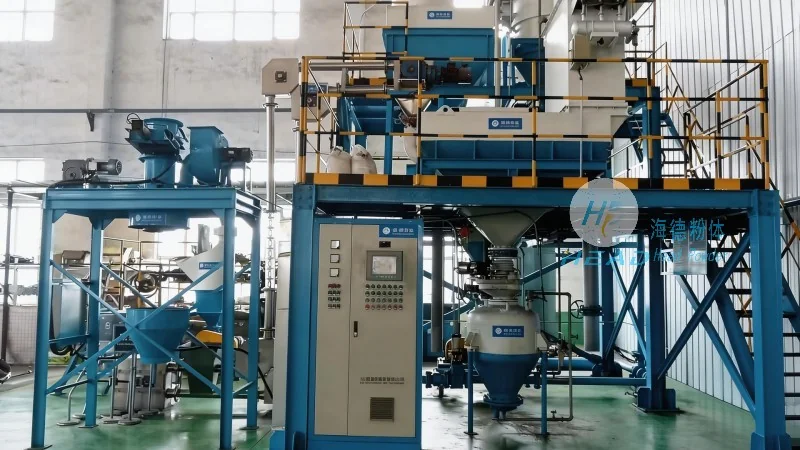
Advantages of Using Pneumatic Conveying for Corn Kernels
Implementing a pneumatic conveying system for corn kernels offers several advantages over traditional mechanical systems. First, it reduces the risk of contamination and product degradation, as the system is enclosed and prevents exposure to external elements. Second, it minimizes equipment wear and tear, as there are no moving parts in direct contact with the material, leading to lower maintenance costs and longer equipment lifespan. Third, the system can handle a wide range of material characteristics, including varying moisture content, particle size, and density, making it versatile for different applications. Additionally, pneumatic conveying systems are more energy-efficient compared to mechanical systems, as they use less power to transport materials over long distances.
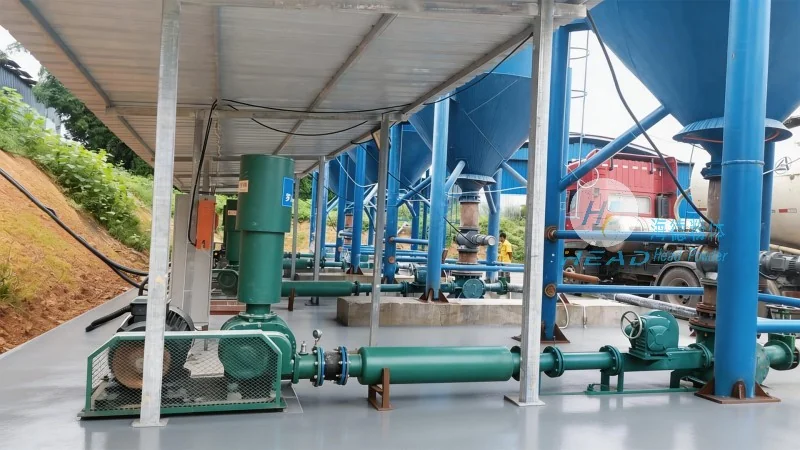
Applications of Corn Kernels Pneumatic Conveying Systems
Corn kernels pneumatic conveying systems are widely used in various industries, including food processing, animal feed production, and industrial applications. In food processing, the system is used to transport corn kernels from storage to processing equipment, such as mills or dryers, ensuring a consistent and hygienic supply of raw materials. In animal feed production, the system helps transport corn kernels to feed mills, where they are mixed with other ingredients to create animal feed. In industrial applications, the system may be used to transport corn kernels to processing plants for further processing into products like corn oil, corn starch, or ethanol.
Conclusion
HeadPowder, with its expertise in engineering and design, provides reliable and efficient corn kernels pneumatic conveying systems that meet the needs of various industries. By understanding the structural components and working principles of these systems, users can make informed decisions about implementing pneumatic conveying in their operations. The advantages of reduced contamination, lower maintenance costs, and energy efficiency make pneumatic conveying an ideal choice for transporting corn kernels, ensuring product quality and operational success.