

Introduction to Pneumatic Conveying of White Sugar and Its Structural Principles
HeadPowder, a leading engineering company based in Shandong, China, specializes in the design and implementation of pneumatic conveying systems for various bulk materials, including white sugar. This article provides an overview of the principles and structural components involved in pneumatic conveying for white sugar, highlighting the technical aspects that ensure efficient and reliable material handling.
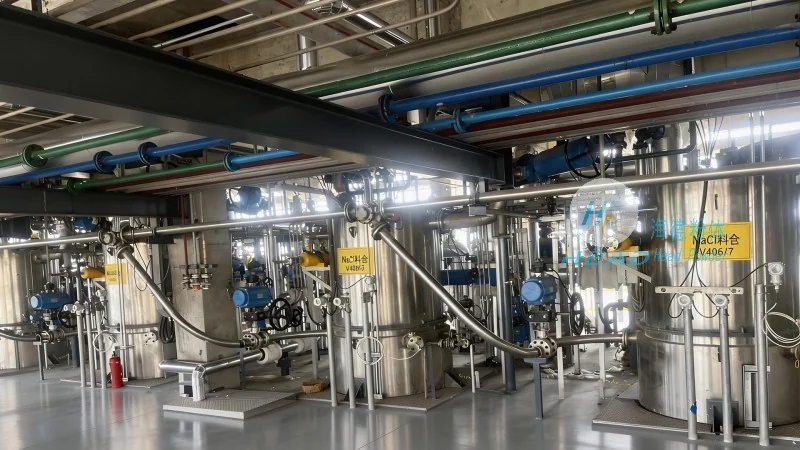
Understanding Pneumatic Conveying Systems
Pneumatic conveying, also known as pneumatic transport, is a method of transporting bulk materials through a pipeline using a gas stream, typically air or other gases. In the context of white sugar, this technology is crucial for moving the granular material from storage silos to processing equipment or packaging lines without the need for mechanical components like conveyor belts or buckets. The system operates by creating a pressure differential within the pipeline, which propels the sugar particles forward.
Key Structural Components of a Pneumatic Conveying System
The effectiveness of a pneumatic conveying system for white sugar depends on several critical components that work in tandem to ensure smooth operation. These components include:
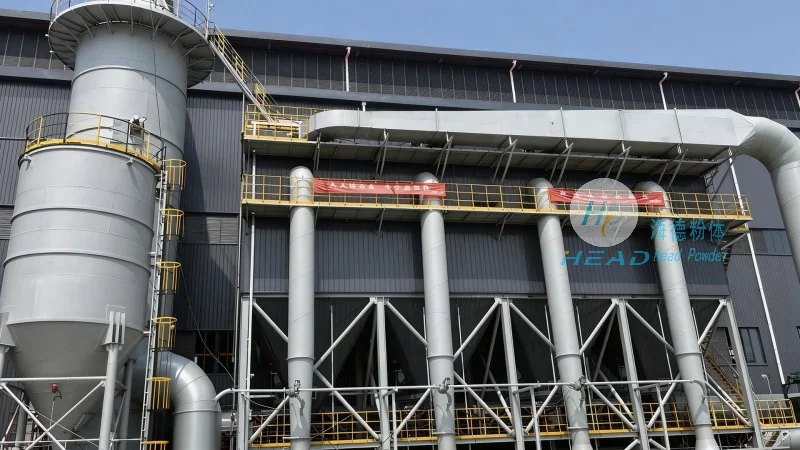
- Feed Hopper: The feed hopper is the initial component where white sugar is stored before being introduced into the conveying system. It is designed to hold a sufficient quantity of sugar to maintain a consistent flow into the system, preventing interruptions caused by material depletion.
- Air Lock or Rotary Valve: This component regulates the flow of white sugar from the feed hopper into the conveying pipeline. The air lock or rotary valve acts as a gate, allowing controlled amounts of sugar to enter the system while preventing backflow or contamination from the air stream.
- Pneumatic Conveying Pipe: The main pipeline through which the white sugar and air mixture travels. The pipe is typically made of durable materials such as stainless steel or high-density polyethylene to withstand the abrasive nature of sugar particles and the pressure of the air stream.
- Exhaust Filter: As the air-sugar mixture exits the conveying pipe, it passes through an exhaust filter. This filter removes the sugar particles from the air stream, preventing dust and granules from being released into the environment. The filtered sugar is then collected in a receiving hopper, while the clean air is either recirculated or vented.
- Control System: The control system manages the operation of the entire pneumatic conveying process. It monitors parameters such as pressure, flow rate, and temperature, and adjusts the air volume and sugar feed rate as needed to maintain optimal performance. Modern control systems often use sensors and automation to ensure precise and efficient operation.
Working Principle of Pneumatic Conveying for White Sugar
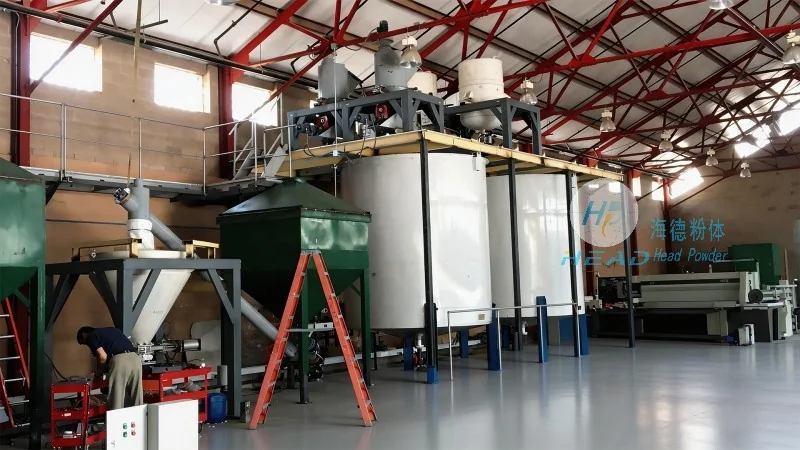
The working principle of a pneumatic conveying system for white sugar involves several stages. First, white sugar is fed from the storage hopper into the feed hopper. The air lock or rotary valve then introduces controlled quantities of sugar into the conveying pipe. Simultaneously, a high-pressure air stream is generated and introduced into the pipe, creating a pressure differential. This pressure differential propels the sugar particles forward through the pipeline. The air stream carries the sugar particles, maintaining their suspension and preventing clogging. As the mixture reaches the end of the pipe, it enters the exhaust filter, where the sugar is separated from the air. The separated sugar is collected in the receiving hopper, ready for further processing or packaging. The clean air is then either returned to the system for recirculation or released into the atmosphere.
Advantages of Pneumatic Conveying for White Sugar Handling
Pneumatic conveying offers several advantages over traditional mechanical methods for handling white sugar. These benefits include:
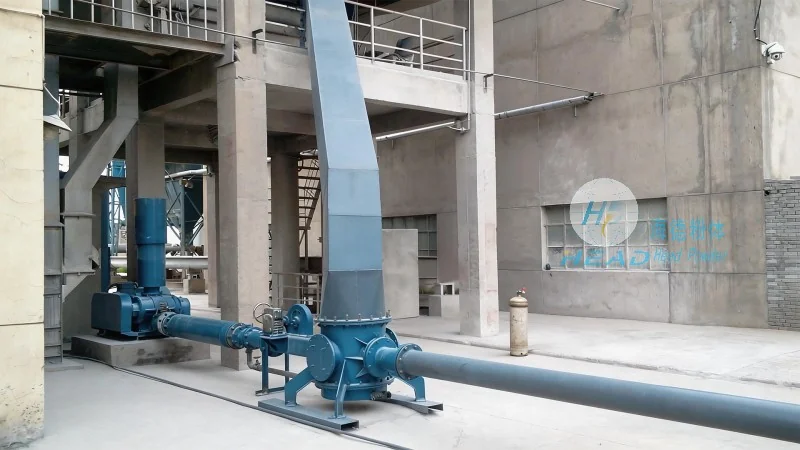
- Reduced Downtime and Maintenance: Unlike mechanical conveyors, which require regular maintenance and cleaning, pneumatic systems have fewer moving parts and are less prone to wear and tear. This results in lower maintenance costs and reduced downtime.
- Prevention of Contamination: The enclosed nature of the pneumatic system prevents the sugar from coming into contact with external contaminants, ensuring product purity and quality. This is particularly important for white sugar, which is a food product.
- Flexibility in Layout: Pneumatic conveying systems can be easily adapted to different plant layouts and configurations. The pipes can be installed in various orientations, allowing for flexible material movement without the need for complex structural changes.
- Energy Efficiency: Modern pneumatic conveying systems are designed to be energy-efficient, using less power compared to traditional mechanical conveyors. The use of recirculated air further reduces energy consumption.
- Improved Safety: The enclosed system reduces the risk of dust explosions and other safety hazards associated with open handling of bulk materials. The filtered exhaust air also minimizes the release of dust into the workplace environment.
Applications of Pneumatic Conveying in White Sugar Processing
Pneumatic conveying systems are widely used in various stages of white sugar processing. Some common applications include:
- Transport from Storage Silos to Processing Equipment: White sugar is often stored in large silos and needs to be transported to processing units such as refining equipment or mixing tanks. Pneumatic conveying provides an efficient and hygienic method for this transfer.
- Transfer Between Processing Stages: During the refining process, white sugar may need to be moved from one processing unit to another, such as from a centrifuge to a drying machine. Pneumatic systems facilitate this transfer without the need for manual handling.
- Packaging Line Integration: At the final stage of production, white sugar is often packaged into bags or containers. Pneumatic conveying can be integrated with the packaging line to deliver the sugar directly to the filling machines, ensuring a continuous and efficient packaging process.
- Waste Management: In some cases, pneumatic conveying is used to transport waste or byproducts from the sugar processing plant to disposal or recycling facilities.
Conclusion
HeadPowder, with its expertise in engineering and design, provides comprehensive solutions for pneumatic conveying systems tailored to the specific needs of white sugar handling. By understanding the structural components and working principles of these systems, manufacturers can optimize their material handling processes, improve efficiency, and ensure product quality. The advantages of pneumatic conveying, including reduced maintenance, prevention of contamination, and improved safety, make it an ideal choice for modern white sugar processing facilities.