

Introduction to Calcium Chloride Pneumatic Conveying: Structure and Principle Explanation
Calcium chloride, a widely used chemical compound, often requires efficient and reliable transportation methods for industrial applications. Pneumatic conveying systems have emerged as a preferred solution for handling calcium chloride, offering advantages such as dust-free operation, reduced material degradation, and enhanced safety. This article provides an overview of calcium chloride pneumatic conveying, focusing on its structural design and operational principles.
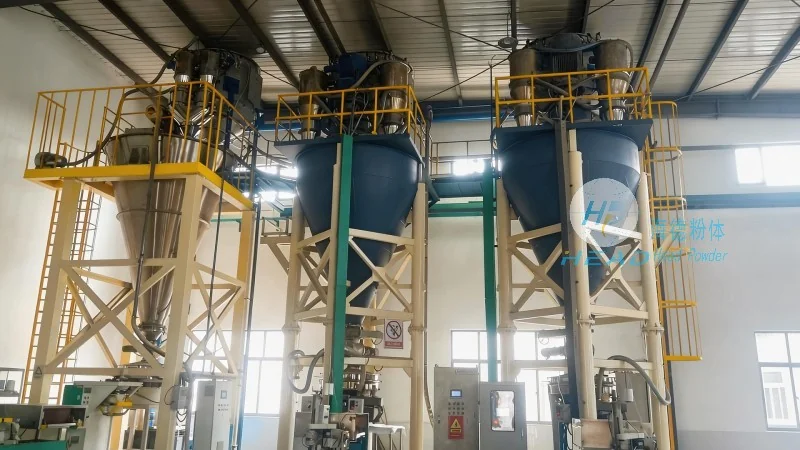
Company Profile: HeadPowder Engineering
HeadPowder, or Shandong HeadPowder Engineering Co., Ltd., is a leading manufacturer specializing in pneumatic conveying solutions. With headquarters in Shandong, China, the company has built a strong reputation for delivering high-quality equipment tailored to the needs of various industries. Their expertise in material handling systems ensures that clients receive robust and efficient calcium chloride conveying systems that meet stringent industrial standards.
Understanding Calcium Chloride Pneumatic Conveying
Pneumatic conveying involves the transport of bulk materials using a stream of air or gas. In the case of calcium chloride, this method allows for the movement of the chemical from storage to processing units without the need for mechanical components like conveyor belts or buckets. The system operates by creating a pressure differential that propels the material through a pipeline, ensuring a continuous and controlled flow. This approach is particularly beneficial for calcium chloride, which can be hygroscopic and prone to clumping, as it minimizes exposure to moisture and air.
Structural Components of Pneumatic Conveying Systems
The calcium chloride pneumatic conveying system consists of several key components that work in tandem to ensure effective material transport. These include the material feed hopper, which holds the calcium chloride and regulates the flow into the system; the air compressor or blower, which generates the necessary air pressure to move the material; the conveying pipeline, typically made of corrosion-resistant materials such as stainless steel or special plastics to withstand the chemical properties of calcium chloride; and the collection or discharge unit, where the material is deposited at its destination. Each component is designed to handle the specific characteristics of calcium chloride, ensuring durability and performance over time.
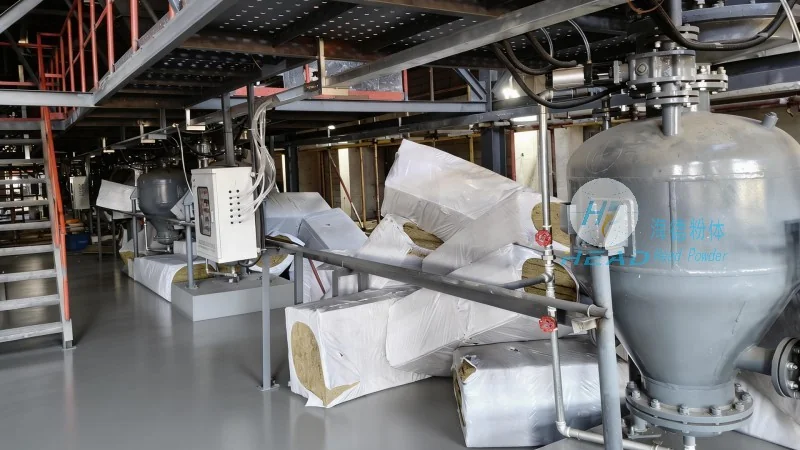
Operational Principles and Flow Dynamics
The operational principle of calcium chloride pneumatic conveying is based on the interaction between the material and the air stream. When the air compressor operates, it creates a high-pressure air flow that draws the calcium chloride particles into the pipeline. The material is then carried by the air current, with the velocity of the air being sufficient to overcome the gravitational forces and any friction within the system. The design of the pipeline, including bends and fittings, is critical to maintaining the flow velocity and preventing material deposition or blockages. Properly sized and positioned components ensure that the calcium chloride moves smoothly and efficiently from the source to the destination, minimizing downtime and operational costs.
Advantages of Calcium Chloride Pneumatic Conveying
Implementing a pneumatic conveying system for calcium chloride offers several advantages over traditional methods. Firstly, it eliminates the need for manual handling, reducing labor costs and improving workplace safety. The dust-free operation minimizes the risk of respiratory issues and contamination, making it suitable for environments where air quality is a concern. Additionally, the system reduces material degradation by preventing exposure to moisture and mechanical stress, preserving the quality of the calcium chloride. The ability to transport calcium chloride over long distances without intermediate storage also enhances operational efficiency, allowing for seamless integration into production lines.
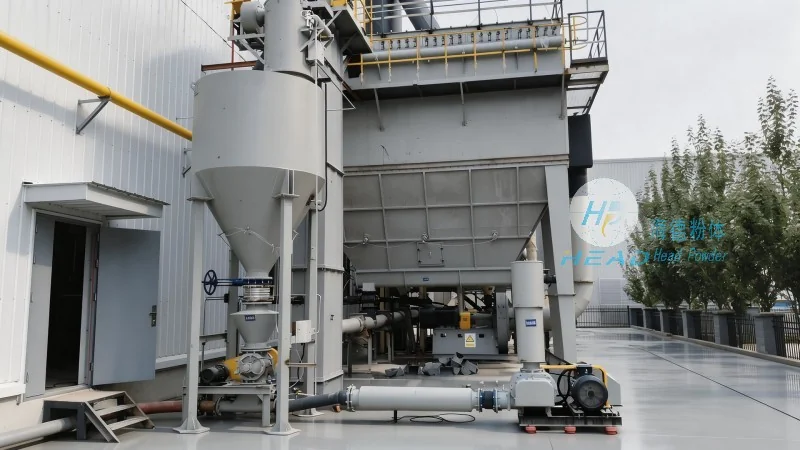
Applications in Industrial Settings
Calcium chloride pneumatic conveying systems are widely used in various industrial applications, including construction, food processing, and chemical manufacturing. In the construction industry, calcium chloride is used as a de-icing agent and in concrete production, where the pneumatic system ensures consistent and reliable delivery to mixing plants. In food processing, the system is employed to transport calcium chloride used as a food additive, maintaining hygiene and preventing contamination. The versatility of the system allows it to adapt to different production scales and material requirements, making it a valuable asset for industries relying on calcium chloride as a key component.
Maintenance and Longevity of the System
Proper maintenance is essential to ensure the longevity and efficiency of calcium chloride pneumatic conveying systems. Regular inspection of the air compressor and blower for wear and tear, cleaning of the pipeline to prevent buildup, and checking of the material feed hopper for blockages are crucial steps. HeadPowder Engineering provides comprehensive maintenance services to clients, ensuring that the system operates at optimal performance levels. By adhering to recommended maintenance schedules, users can extend the lifespan of the equipment and minimize the risk of unexpected failures, thereby reducing operational disruptions and associated costs.
Conclusion
Calcium chloride pneumatic conveying represents a sophisticated and efficient method for handling this important chemical compound. The structural design and operational principles of the system, as exemplified by HeadPowder Engineering's solutions, offer significant benefits in terms of safety, efficiency, and material integrity. As industries continue to seek reliable and sustainable material handling solutions, pneumatic conveying systems for calcium chloride remain a preferred choice, delivering consistent performance and supporting the demands of modern industrial operations.