

Introduction to Light-Weighted Micropowder Pneumatic Conveying: Structure and Principle Explanation
Light-weighted micropowder pneumatic conveying is a sophisticated technology designed to efficiently transport fine powders and granular materials through a pneumatic system. This method offers significant advantages over traditional mechanical conveying systems, particularly in handling delicate or sensitive materials that require minimal disturbance during transport. The core of this technology lies in the integration of specialized equipment and a precise understanding of fluid dynamics to ensure reliable and efficient material movement.
Company Overview and Expertise
HeadPowder, a leading provider in the field, specializes in the design, manufacturing, and implementation of advanced pneumatic conveying solutions. With a strong foundation in engineering and material science, the company has developed comprehensive systems tailored to the unique challenges of light-weighted micropowder applications. HeadPowder's commitment to innovation and quality ensures that their products meet the highest industry standards, delivering reliable performance and durability for various industrial applications.
Structural Components of Pneumatic Conveying Systems
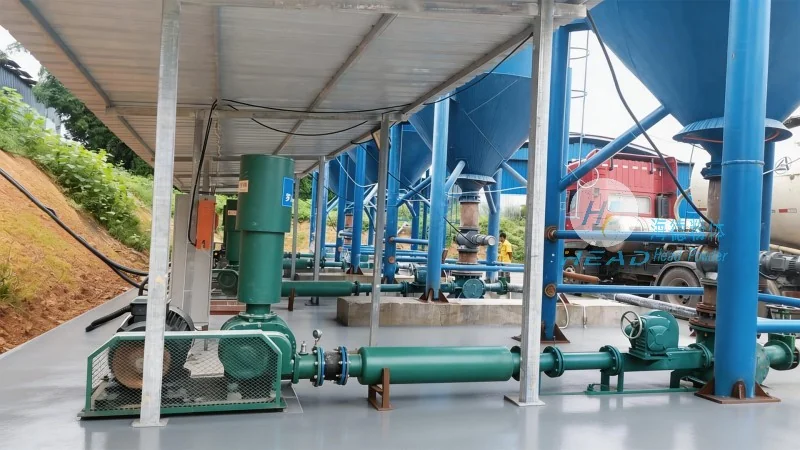
The pneumatic conveying system for light-weighted micropowders typically consists of several key components that work in tandem to facilitate material transport. These components include a material feed hopper, a conveying pipeline, a pressure or vacuum source, and a discharge unit. The feed hopper is designed to store and meter the micropowder, ensuring a consistent flow into the system. The pipeline, often made of corrosion-resistant materials such as stainless steel or polyethylene, minimizes material degradation and maintains system integrity. The pressure or vacuum source, which can be a blower, compressor, or vacuum pump, generates the necessary airflow to move the material through the pipeline. Finally, the discharge unit, such as a rotary valve or a dust collector, collects the material at the destination, preventing dust emissions and ensuring a clean operation.
Principle of Operation: Fluid Dynamics and Material Handling
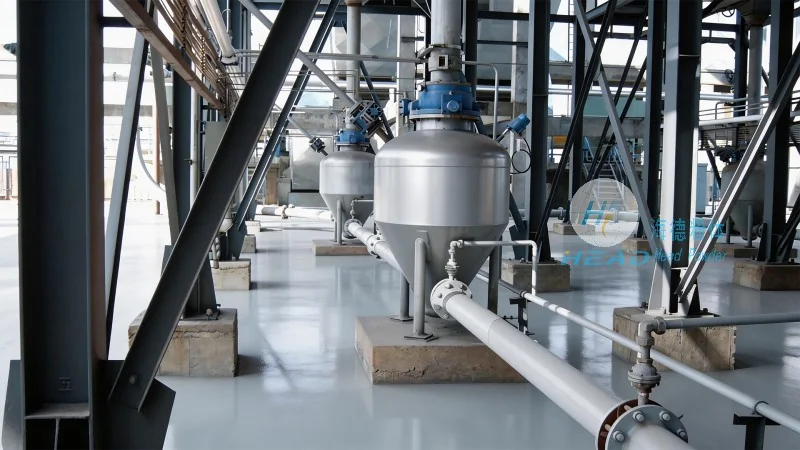
The fundamental principle behind light-weighted micropowder pneumatic conveying is the use of air as the conveying medium. The system operates by creating a pressure differential or vacuum within the pipeline, which draws the micropowder particles into the airflow. The particles are then suspended and transported through the pipeline by the moving air. This method is particularly effective for light-weighted materials, as the air flow can handle fine particles without causing excessive wear or degradation. The design of the system, including the velocity of the air and the particle size distribution, is critical to achieving optimal conveying efficiency and minimizing energy consumption.
Advantages of Light-Weighted Micropowder Pneumatic Conveying
Compared to traditional mechanical conveying methods, light-weighted micropowder pneumatic conveying offers several distinct advantages. First, it eliminates the need for moving parts in the conveying path, reducing maintenance requirements and extending system lifespan. Second, the system is highly flexible, allowing for changes in material flow rates and destination points without significant modifications. Third, it provides a dust-free environment, which is crucial for applications where material contamination or environmental regulations are a concern. Additionally, the technology can handle a wide range of material properties, including hygroscopic or reactive powders, by adjusting the system parameters to prevent degradation or agglomeration.
Applications and Industrial Use Cases
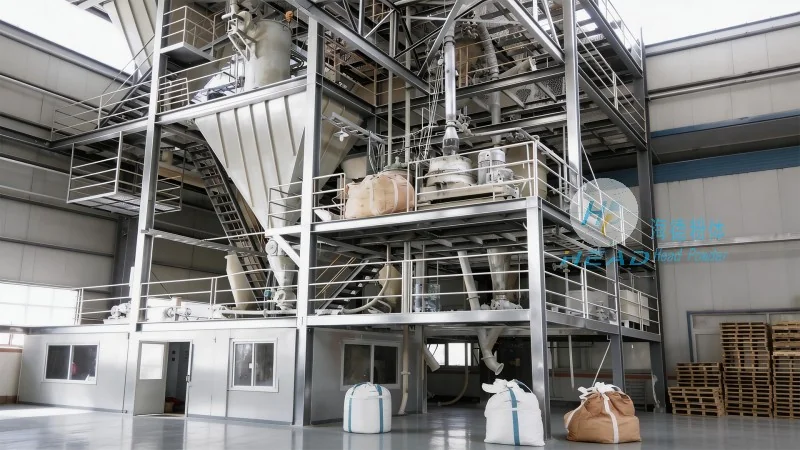
Light-weighted micropowder pneumatic conveying is widely used in various industries, including pharmaceuticals, food processing, chemical manufacturing, and mining. In the pharmaceutical industry, the system is employed to transport active pharmaceutical ingredients (APIs) and excipients with high precision, ensuring minimal contamination and maintaining product quality. In food processing, it is used to convey ingredients like sugar, flour, and spices, maintaining hygiene standards and preventing cross-contamination. In chemical manufacturing, the system handles reactive powders and catalysts, where precise control over material flow is essential to prevent accidents or product degradation. In mining operations, it is used to transport fine ore powders, improving efficiency and reducing labor costs associated with manual handling.
Installation and Maintenance Considerations
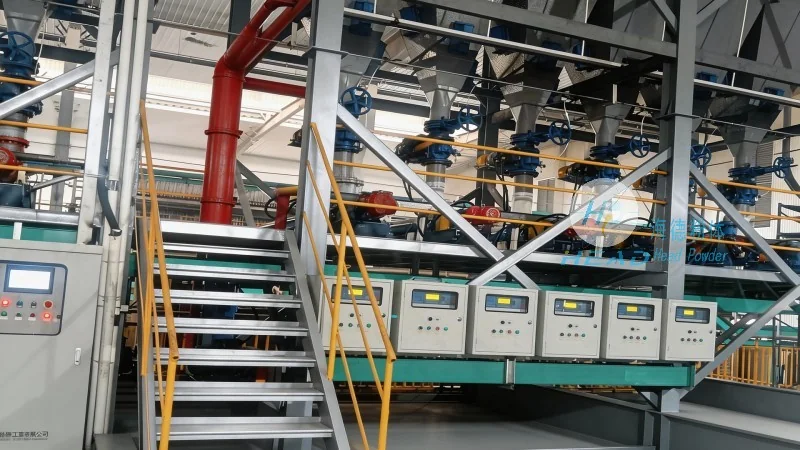
Proper installation and regular maintenance are critical to the long-term performance and reliability of light-weighted micropowder pneumatic conveying systems. During installation, it is essential to ensure that all components are properly aligned and connected to prevent air leaks or material blockages. The system should be installed in a way that minimizes the risk of dust accumulation and ensures easy access for maintenance personnel. Regular maintenance involves checking the condition of the pipeline, cleaning the feed hopper and discharge unit, and inspecting the pressure or vacuum source for any signs of wear or malfunction. HeadPowder provides comprehensive support services, including installation guidance and maintenance plans, to ensure that their systems operate at peak efficiency throughout their service life.
Conclusion: The Future of Micropowder Conveying
Light-weighted micropowder pneumatic conveying represents a significant advancement in material handling technology, offering efficient, flexible, and reliable solutions for a wide range of industrial applications. With its ability to handle delicate materials and adapt to various operational conditions, this technology continues to play a vital role in modern manufacturing processes. As industries continue to demand higher precision and efficiency, the importance of advanced pneumatic conveying systems like those offered by HeadPowder will only grow, ensuring that material transport remains a key component of successful industrial operations.