

Introduction to the Pneumatic Conveying of Kaolin Powder and Its Structural Principles
High-purity kaolin powder is widely used in various industries, including ceramics, paper, and coatings, due to its excellent properties such as whiteness, plasticity, and chemical stability. The efficient and reliable transportation of kaolin powder from storage to processing units is crucial for maintaining production efficiency and product quality. Pneumatic conveying systems have emerged as a preferred method for handling kaolin powder, offering advantages like dust-free operation, reduced material degradation, and flexible system design. This article provides an overview of the pneumatic conveying of kaolin powder, focusing on its structural principles and operational mechanisms.
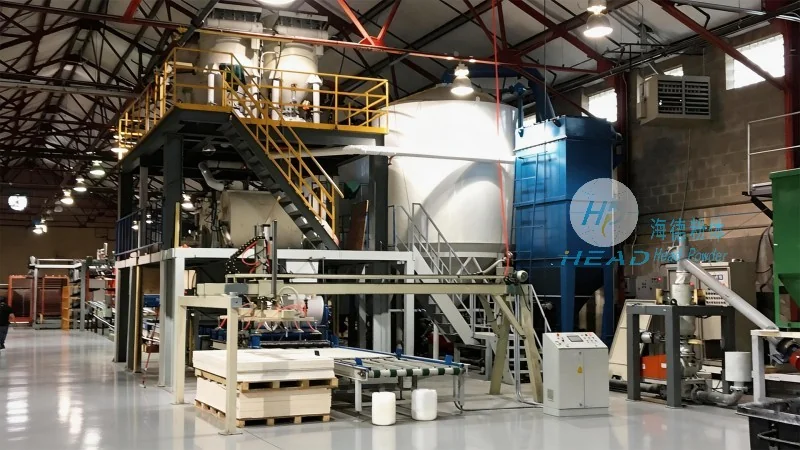
Structural Components of Pneumatic Conveying Systems for Kaolin Powder
The pneumatic conveying system for kaolin powder typically consists of several key components that work in tandem to ensure smooth material transport. The primary components include a hopper or silo for material storage, a feeder to control the flow rate of the powder, a conveying line (usually made of metal or flexible tubing), a blower or compressor to generate the air flow, and a receiver or collection unit to deposit the conveyed powder. Each component plays a critical role in the overall system performance and efficiency.
The hopper or silo is designed to store the kaolin powder in a controlled environment, preventing moisture absorption and maintaining material integrity. It is often equipped with a discharge valve or gate to regulate the powder flow into the feeder. The feeder, which can be a rotary valve, screw feeder, or vibratory feeder, ensures a consistent and controlled feed rate of the powder into the conveying line. This uniform flow is essential to avoid blockages and maintain the stability of the air-powder mixture.
Types of Pneumatic Conveying Systems for Kaolin Powder
There are two main types of pneumatic conveying systems used for kaolin powder: dilute-phase and dense-phase systems. Dilute-phase systems operate at higher air velocities, typically 20-30 m/s, and are suitable for long-distance transport (up to several hundred meters). In this system, the powder is suspended in the air stream and transported as a dilute mixture. Dense-phase systems, on the other hand, operate at lower air velocities (5-15 m/s) and higher powder concentrations, which results in a more compact air-powder mixture. This type is ideal for short-distance transport (up to 50-100 meters) and is less prone to material degradation.
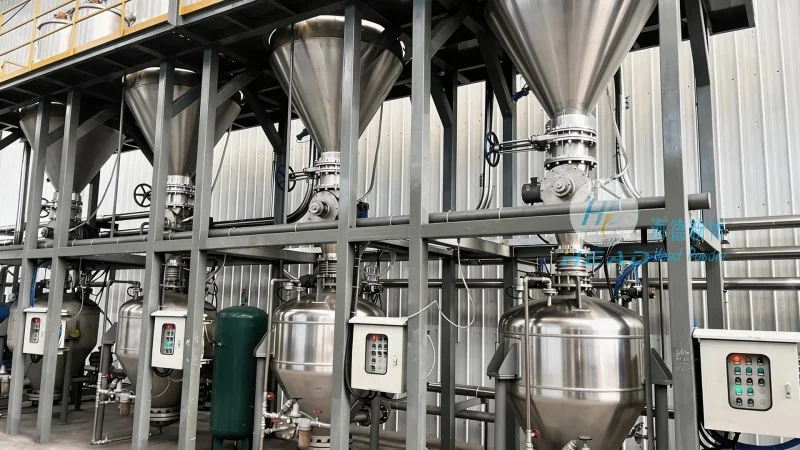
The choice between dilute-phase and dense-phase systems depends on factors such as the required transport distance, the powder characteristics (e.g., particle size, moisture content), and the system's energy efficiency. For kaolin powder, which has relatively fine particles and low moisture content, both systems can be effective, but the selection is often based on the specific application and operational constraints.
Operational Principles and Flow Mechanisms
The core of the pneumatic conveying system lies in the interaction between the air flow and the kaolin powder particles. In a dilute-phase system, the air velocity is sufficient to keep the powder particles suspended, creating a fluid-like mixture. The powder particles are carried along the conveying line by the air stream, and the system relies on the momentum of the air to maintain the flow. The pressure drop along the line is a critical parameter, as it indicates the resistance to flow and the energy consumption of the system.
In a dense-phase system, the air velocity is lower, and the powder particles are more densely packed within the air stream. This results in a higher pressure drop and a more stable flow, which reduces the risk of particle segregation and degradation. The operation of dense-phase systems often involves a pressure surge or a controlled air flow rate to ensure the powder moves smoothly without clogging.
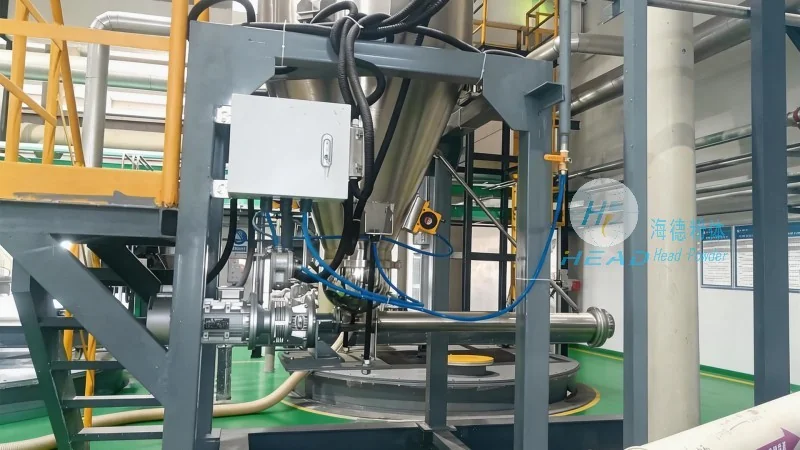
Advantages of Pneumatic Conveying for Kaolin Powder Handling
Pneumatic conveying offers several advantages over traditional mechanical conveying methods for kaolin powder. Firstly, it provides a dust-free environment, which is essential for maintaining product purity and worker safety. Unlike mechanical systems that may generate dust through friction or vibration, pneumatic systems keep the powder enclosed, minimizing contamination risks. Secondly, pneumatic conveying reduces material degradation, as the powder is not subjected to mechanical stress from rollers or belts. This is particularly important for high-value kaolin powders, where particle size and surface properties directly impact product quality.
Thirdly, the system design offers flexibility, allowing for horizontal, vertical, or combined (horizontal-vertical) transport paths. This flexibility enables the integration of the conveying system with existing production lines, reducing installation costs and space requirements. Additionally, pneumatic conveying systems can be easily scaled up or down to accommodate changes in production capacity, making them suitable for both small-scale and large-scale operations.
Applications and Industry Impact
The pneumatic conveying of kaolin powder is widely applied in various industrial sectors. In the ceramics industry, kaolin is used as a raw material for making porcelain and other ceramic products. The efficient transport of kaolin powder to the mixing and molding units ensures consistent product quality and reduces downtime. In the paper industry, kaolin is used as a coating pigment to improve paper brightness and smoothness. The pneumatic system delivers the powder to the coating machine, maintaining a uniform coating layer and enhancing paper performance.