

Introduction to Lithium Iron Carbonate Pneumatic Conveying System: Structure and Working Principle
For professionals in the lithium battery material processing industry, the efficient and reliable transportation of lithium iron carbonate (LiFeCO₃) is a critical factor impacting production efficiency and product quality. This article provides an overview of the lithium iron carbonate pneumatic conveying system, focusing on its structural design and operational principles, while introducing the technical capabilities of Shandong HeadPowder Engineering Co., Ltd. as a key supplier in this field.
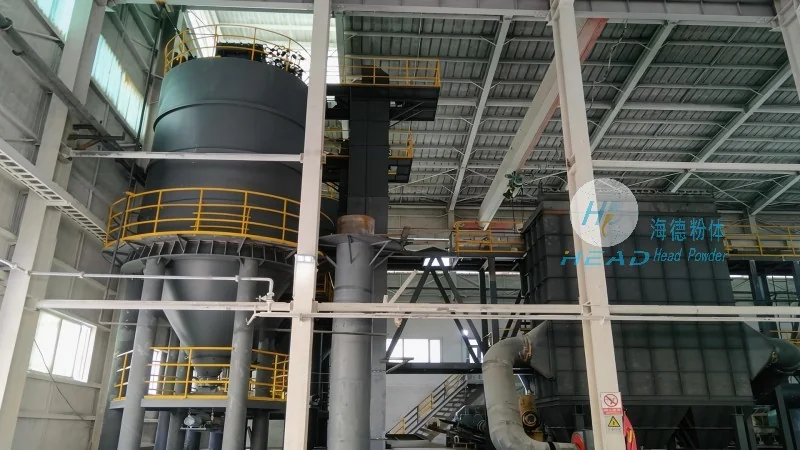
Overview of Lithium Iron Carbonate Pneumatic Conveying System
Lithium iron carbonate, as a core raw material for lithium-ion batteries, requires specialized handling to ensure its purity and particle integrity during the conveying process. The pneumatic conveying system is widely adopted in the battery material production line due to its ability to transport powders in a closed environment, minimizing contamination and dust dispersion. This system is designed to handle the unique properties of LiFeCO₃, such as its fine particle size and hygroscopic nature, through optimized air flow and pressure control.
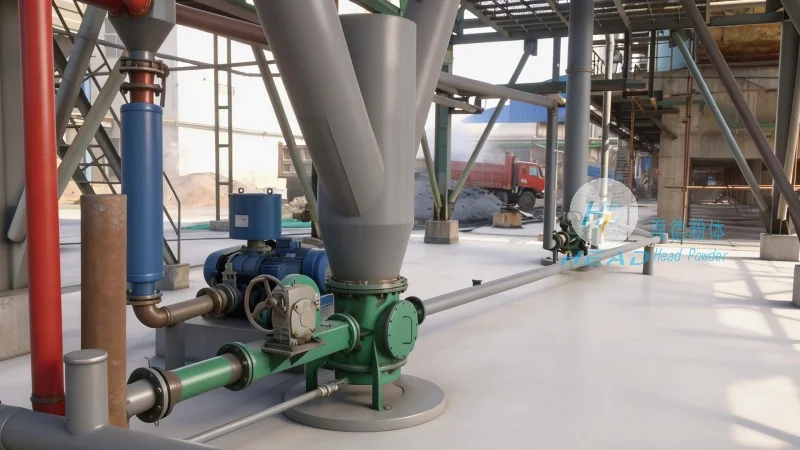
Structural Components and Working Principle
The lithium iron carbonate pneumatic conveying system typically consists of several key components, each playing a crucial role in the material transport process. The main structural elements include the material hopper, air compressor, conveying pipeline, dust collector, and control system. The material hopper is equipped with a feeder to ensure a stable and controlled discharge of LiFeCO₃ into the conveying pipeline. The air compressor generates the necessary air pressure to create a flow of air within the pipeline, which then carries the powder particles from the hopper to the destination point, such as a storage silo or processing equipment.
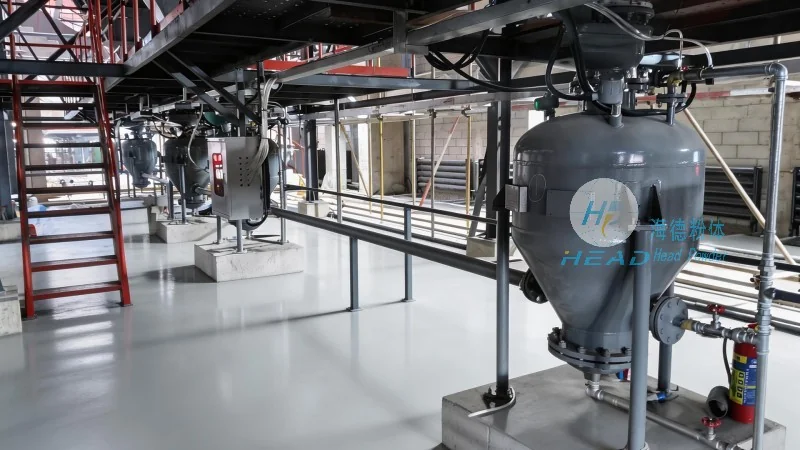
The conveying pipeline is designed with appropriate diameter and material to withstand the pressure and abrasion caused by the moving powder. The system may incorporate bends and valves to direct the flow and control the speed of the material transport. A dust collector is integrated to capture any fine particles that may escape from the system, ensuring environmental compliance and product quality. The control system monitors and regulates the air pressure, flow rate, and material feed rate, providing real-time feedback to maintain optimal operation.
Technical Advantages and Application Scenarios
Shandong HeadPowder Engineering Co., Ltd., as a professional manufacturer in the field, offers advanced pneumatic conveying solutions tailored to the specific needs of lithium battery material processing. The company's systems are engineered to handle the challenges associated with LiFeCO₃, including its sensitivity to moisture and the need for high-purity transport. The technical advantages of the system include high conveying efficiency, low energy consumption, and minimal product degradation. These features make the system suitable for various applications, such as the transportation of LiFeCO₃ from raw material storage to the mixing and coating stages in battery production lines.
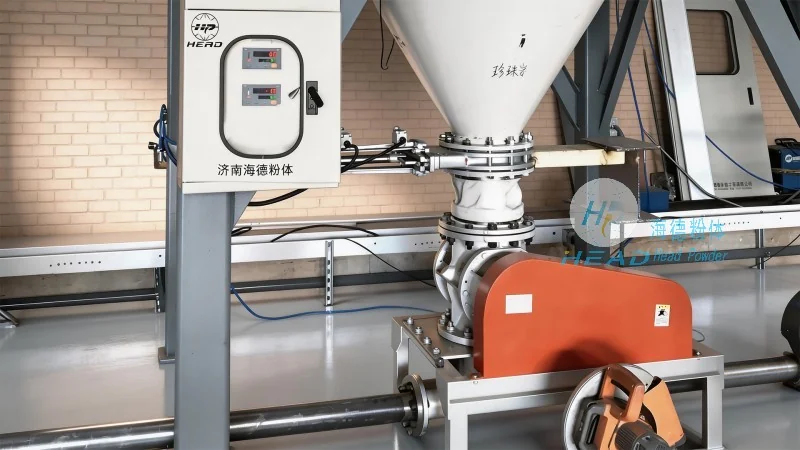
Company Profile and Service Commitment
HeadPowder, the brand of Shandong HeadPowder Engineering Co., Ltd., is committed to providing high-quality engineering solutions for the lithium battery industry. With a focus on innovation and customer satisfaction, the company has established itself as a reliable partner for businesses seeking efficient and reliable material handling systems. The company's headquarters is located in Shandong, China, where it leverages local resources and expertise to develop cutting-edge technologies in pneumatic conveying systems. By adhering to strict quality standards and providing comprehensive technical support, HeadPowder ensures that its customers receive systems that meet their specific operational requirements and contribute to their overall production efficiency.