

Ammonium Sulfate Pneumatic Conveying Design Calculation and Equipment Selection
Ammonium sulfate, a widely used fertilizer and industrial chemical, often requires efficient and reliable material handling solutions for its transportation. Pneumatic conveying systems offer a versatile and effective method for moving this material, especially in bulk processing applications. The design and selection of appropriate equipment for ammonium sulfate pneumatic conveying involve careful consideration of several technical and operational factors to ensure optimal performance, safety, and cost-effectiveness.
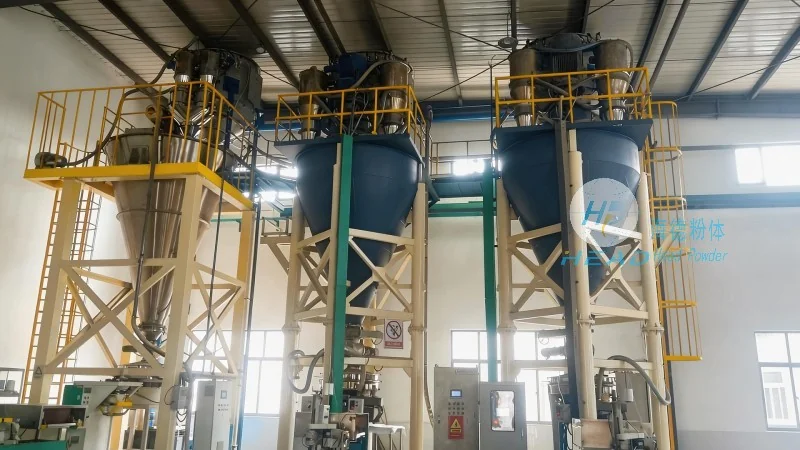
Key Design Considerations for Ammonium Sulfate Pneumatic Conveying
When designing a pneumatic conveying system for ammonium sulfate, engineers must evaluate multiple parameters to determine the most suitable configuration. The primary considerations include the material's physical properties, such as particle size distribution, bulk density, and flowability, which directly impact the system's performance. For ammonium sulfate, these properties are crucial as they influence the required air velocity, pressure, and equipment sizing. Additionally, the system's capacity, which is determined by the desired throughput rate, plays a vital role in selecting the appropriate components like the conveyor line diameter, air flow rate, and the number of conveying points.
Another critical aspect is the selection of the conveying method—whether it's a pressure or vacuum system. Pressure systems are typically used for long-distance or high-capacity applications, where the material is transported by compressed air from a source, such as a blower or positive displacement pump. Vacuum systems, on the other hand, are suitable for shorter distances or when the material needs to be drawn from a hopper or storage silo. The choice between these methods depends on factors like the layout of the facility, the distance between the source and destination, and the need for material recovery or dust control.
Design Calculation Process for Ammonium Sulfate Pneumatic Conveying
The design calculation process for ammonium sulfate pneumatic conveying involves a systematic approach to ensure all operational requirements are met. The first step is to define the system's operational parameters, including the required throughput, conveying distance, and the desired air velocity. Engineers then calculate the necessary air flow rate based on the material's flow characteristics and the chosen conveying method. For example, in a pressure system, the air velocity must be high enough to keep the particles suspended but not so high as to cause excessive pressure drop or equipment wear.
Next, the pressure drop along the conveying line is calculated. This involves determining the friction losses in the pipe, the losses at bends, and the pressure required to overcome the elevation changes. The total pressure drop is then used to select the appropriate blower or compressor, ensuring it can provide the necessary pressure and flow to maintain the conveying process. The selection of the blower type, whether it's a centrifugal or positive displacement model, depends on the system's pressure and flow requirements, as well as the material's properties.
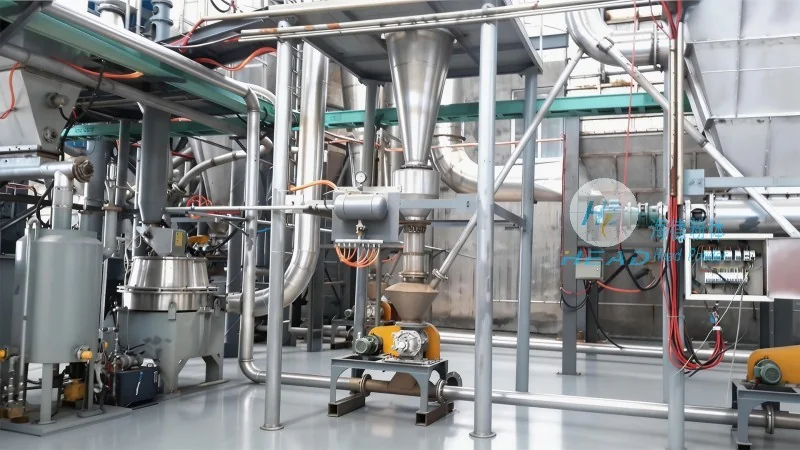
Equipment sizing is another critical step. The conveyor line diameter is determined based on the air velocity and the material's particle size to prevent clogging and ensure smooth flow. The selection of components like the hopper, feeder, and cyclone separator is also essential. The hopper must be designed to provide a uniform material flow, while the feeder controls the material discharge rate. The cyclone separator, used for dust removal and material recovery, must be sized to handle the system's air flow and particle load effectively.
Equipment Selection for Ammonium Sulfate Pneumatic Conveying
Choosing the right equipment for ammonium sulfate pneumatic conveying is essential to achieve reliable and efficient operation. The primary equipment components include the conveying line, air source, feeding system, and separation devices. The conveying line is typically made of stainless steel or other corrosion-resistant materials to handle the chemical properties of ammonium sulfate and prevent material degradation or system corrosion. The line diameter and length are selected based on the design calculations to ensure optimal air flow and pressure distribution.
The air source, such as a centrifugal blower or a positive displacement blower, is selected based on the system's pressure and flow requirements. Centrifugal blowers are suitable for high-volume, low-pressure applications, while positive displacement blowers are ideal for high-pressure, low-volume systems. The choice of blower affects the system's energy efficiency and operational costs, making it a critical decision in equipment selection.
The feeding system, which includes the hopper and feeder, is designed to control the material flow into the conveying line. The hopper must be equipped with a suitable discharge mechanism, such as a rotary valve or a screw feeder, to ensure a consistent and controlled feed rate. This prevents blockages and maintains the system's stability. The feeder's capacity is matched to the system's throughput to avoid overloading or underutilization.
The separation devices, such as cyclone separators or bag filters, are used to remove dust and recover the material from the air stream. Cyclone separators are commonly used due to their efficiency and low maintenance requirements. They are designed to separate particles based on their size and density, allowing the clean air to be discharged and the material to be collected for reuse. The selection of the separator depends on the system's air flow rate and the particle size distribution of the ammonium sulfate.
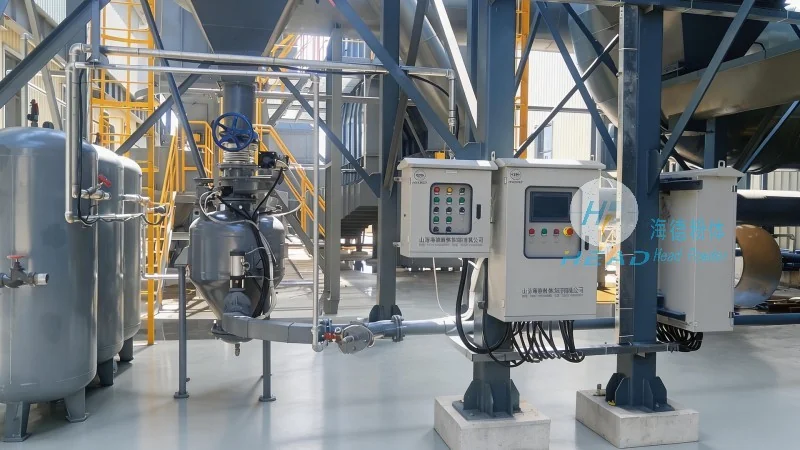
HeadPowder Engineering: Expertise in Ammonium Sulfate Pneumatic Conveying Solutions
Shandong HeadPowder Engineering Co., Ltd., a leading provider of engineering solutions for bulk material handling, specializes in designing and implementing pneumatic conveying systems for ammonium sulfate and other industrial chemicals. With years of experience in the field, HeadPowder offers comprehensive services, including system design, equipment selection, and installation, tailored to meet the specific needs of clients. The company's team of experienced engineers utilizes advanced design software and methodologies to ensure that each system is optimized for performance, reliability, and cost-effectiveness.
HeadPowder's expertise lies in understanding the unique challenges of handling ammonium sulfate, such as its hygroscopic nature and potential for dust generation. The company's engineers consider these factors when designing the system, ensuring that the equipment is selected to minimize material degradation and maintain product quality. For example, the use of corrosion-resistant materials and proper sealing in the conveying line prevents moisture absorption and reduces the risk of material clumping.
HeadPowder also provides customized solutions for various applications, including bulk storage, processing, and transportation. The company works closely with clients to understand their operational requirements and constraints, such as space limitations or existing infrastructure, to develop a suitable pneumatic conveying system. This collaborative approach ensures that the final solution is not only technically sound but also practical and cost-effective for the client's specific needs.
With a strong commitment to quality and customer satisfaction, HeadPowder has built a reputation as a trusted partner in the bulk material handling industry. The company's systems are designed to meet international standards and are backed by rigorous testing and validation to ensure they perform as expected. Clients can rely on HeadPowder's expertise to deliver efficient and reliable ammonium sulfate pneumatic conveying solutions that enhance their operational efficiency and reduce costs.