

Design and Equipment Selection for the Pneumatic Conveying of Ferrous Sulfate
When it comes to handling ferrous sulfate, especially in industrial applications, the choice of material handling system is critical. Pneumatic conveying offers a reliable and efficient solution for transporting this chemical, ensuring minimal product degradation and operational safety. This article provides a comprehensive overview of the design calculations and equipment selection process for pneumatic conveying systems tailored to ferrous sulfate applications.
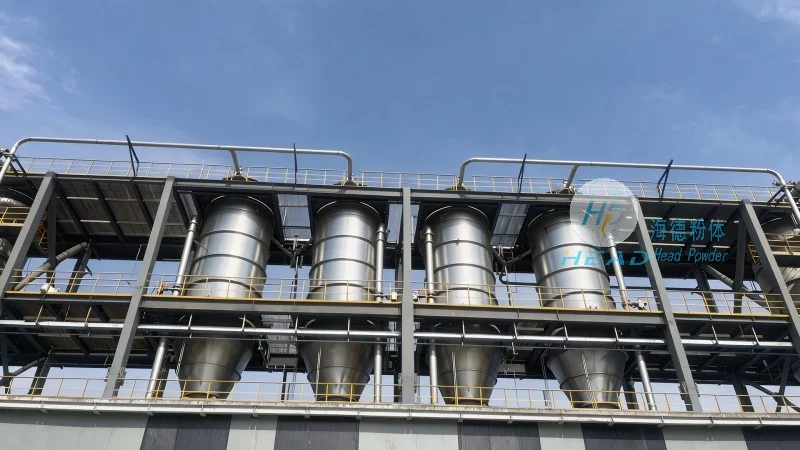
Key Design Considerations for Ferrous Sulfate Pneumatic Conveying
The successful implementation of a pneumatic conveying system for ferrous sulfate hinges on several key design considerations. These include the physical properties of the material, such as particle size distribution, bulk density, and flowability, which directly impact the system's performance. Additionally, the system's operating pressure and velocity must be optimized to prevent blockages and ensure consistent flow. The selection of appropriate ductwork materials, such as stainless steel or corrosion-resistant alloys, is also crucial due to the chemical's potential to cause corrosion in certain environments.
Calculations for Pneumatic Conveying System Design
Accurate design calculations are essential to ensure the pneumatic conveying system operates efficiently and meets the required throughput. The primary calculations involve determining the required air velocity, pressure drop, and air volume. The air velocity must be sufficient to lift and transport the ferrous sulfate particles while minimizing energy consumption. The pressure drop across the system components, including the ducts, bends, and valves, is calculated to ensure the system maintains adequate pressure for reliable operation. The air volume is determined based on the material's flow rate and the selected conveying velocity, ensuring the system can handle the intended production capacity.
Equipment Selection for Ferrous Sulfate Pneumatic Conveying
Choosing the right equipment is vital for the longevity and performance of the pneumatic conveying system. For ferrous sulfate applications, the following equipment is typically considered:
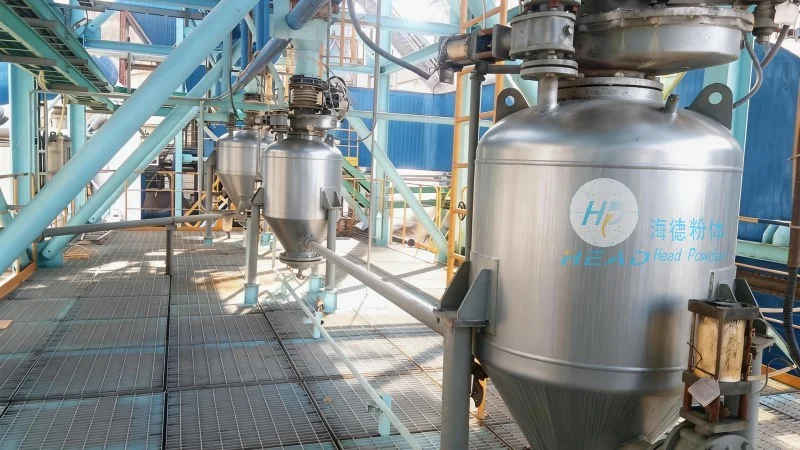
1. Air Supply System: This includes the blower or compressor, which provides the necessary air pressure and volume. The selection of a high-efficiency, low-noise blower is recommended to ensure energy efficiency and compliance with environmental regulations.
2. Ductwork and Fittings: The ducts are designed to handle the material's flow characteristics, with smooth surfaces and appropriate diameters to minimize pressure loss. Corrosion-resistant materials like stainless steel are preferred to prevent degradation from the ferrous sulfate.
3. Conveying Hoppers and Feeders: The hoppers are designed to store the ferrous sulfate and feed it into the system at a controlled rate. The feeders, such as rotary valves or screw feeders, ensure consistent material flow into the conveying line.
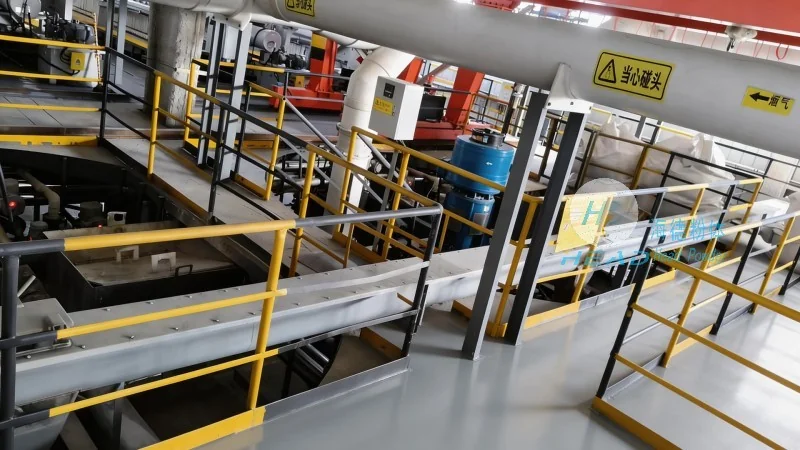
4. Separation and Collection Systems: These components, including cyclones or filters, are used to separate the ferrous sulfate from the air stream, ensuring the material is collected efficiently and the air is cleaned before release.
Operational Considerations and Maintenance
Proper operation and maintenance of the pneumatic conveying system are essential for optimal performance and longevity. Regular inspection of the ductwork for blockages or wear, as well as the blower and other components for efficiency, is recommended. Additionally, monitoring the system's pressure and flow rates can help identify potential issues before they lead to system failure. The use of appropriate cleaning procedures for the system components, especially those in contact with ferrous sulfate, is also important to prevent corrosion and maintain system integrity.
Conclusion
Designing and selecting the appropriate pneumatic conveying system for ferrous sulfate requires careful consideration of the material's properties and the system's operational requirements. By following the design calculations and selecting high-quality equipment, industrial facilities can achieve efficient and reliable material handling, minimizing downtime and operational costs. Shandong HeadPowder Engineering Co., Ltd., a leading provider in this field, offers expert consultation and tailored solutions to meet the specific needs of ferrous sulfate handling applications.