

Design Calculation and Equipment Selection for Pneumatic Conveying of Graphite Electrodes
HeadPowder, a leading engineering firm based in Shandong, China, specializes in providing comprehensive solutions for the pneumatic conveying of graphite electrodes. This article outlines the key design calculations and equipment selection processes essential for efficient and reliable material handling in industrial applications.
Introduction to Pneumatic Conveying Systems for Graphite Electrodes
Pneumatic conveying systems are widely used in the manufacturing and processing of graphite electrodes due to their ability to transport bulk materials like graphite powder or electrode pieces with minimal contamination and high efficiency. The design of such systems requires careful consideration of several critical factors, including material properties, flow rates, pressure differentials, and system layout. Proper calculation and equipment selection are crucial to ensure optimal performance, minimize operational costs, and enhance safety in the handling of graphite electrodes.
Key Design Calculations for Graphite Electrode Pneumatic Conveying
The design process begins with determining the required conveying capacity, which is typically expressed in terms of mass flow rate (kg/h or ton/h). This is influenced by the production rate of graphite electrodes and the desired throughput of the system. The next step involves calculating the necessary air velocity and pressure drop across the conveying line. The air velocity must be sufficient to overcome the drag forces acting on the graphite particles while preventing excessive wear on the system components. The pressure drop is calculated based on the length of the conveying line, the diameter of the pipes, and the frictional losses due to bends, valves, and other fittings.
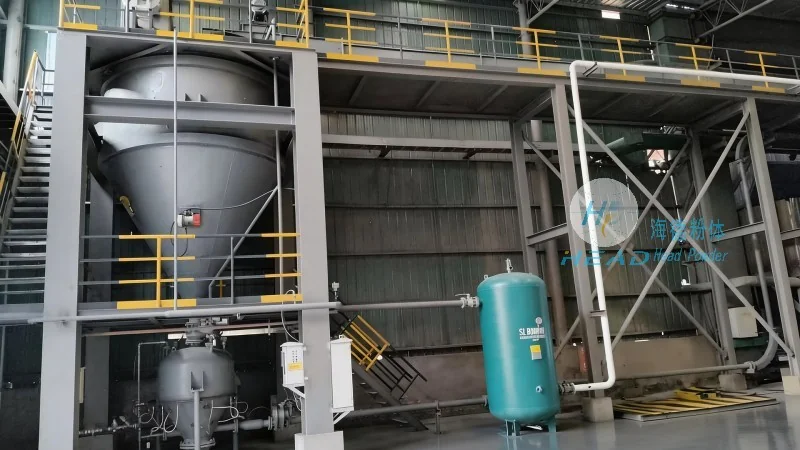
Material properties play a significant role in these calculations. Graphite electrodes have specific density, particle size distribution, and abrasiveness characteristics that affect the conveying behavior. The density of graphite (typically around 2.2-2.3 g/cm³) influences the mass flow rate, while the particle size affects the air velocity required to maintain a stable flow. Abrasiveness is a critical factor as it determines the wear rate of the conveying components, such as pipes, elbows, and cyclones. Engineers must account for these properties to select appropriate materials for the system components and to ensure the longevity of the equipment.
Equipment Selection for Pneumatic Conveying of Graphite Electrodes
Once the design calculations are completed, the next phase is selecting the appropriate equipment for the pneumatic conveying system. The primary components include the material feed system, the air supply unit, the conveying line, and the material separation or collection equipment. The material feed system may consist of a hopper, a rotary valve, or a screw feeder, depending on the form of graphite being conveyed (e.g., powder or pre-formed pieces). The air supply unit typically includes a blower or a compressor, which provides the necessary pressure and airflow to move the material through the system.
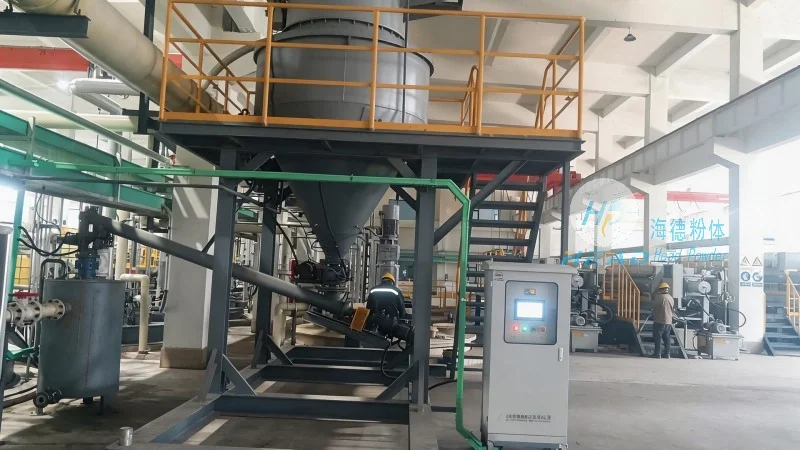
The conveying line is a critical component, and its diameter and material are selected based on the flow rate and the abrasiveness of the graphite. Larger diameters are generally preferred to reduce pressure drop and wear, but they also increase the system's cost and footprint. The material of the pipes, such as stainless steel or high-density polyethylene, is chosen to withstand the abrasive nature of graphite and the operating pressures. Elbows, tees, and other fittings are also selected to minimize pressure losses and to maintain the integrity of the conveying line.
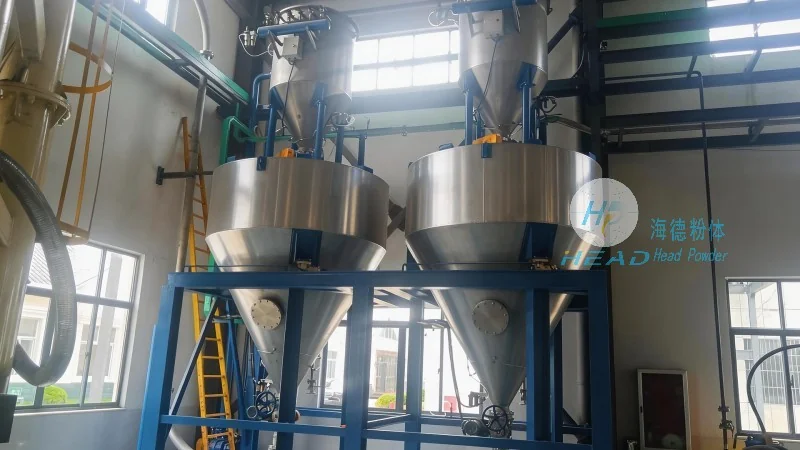
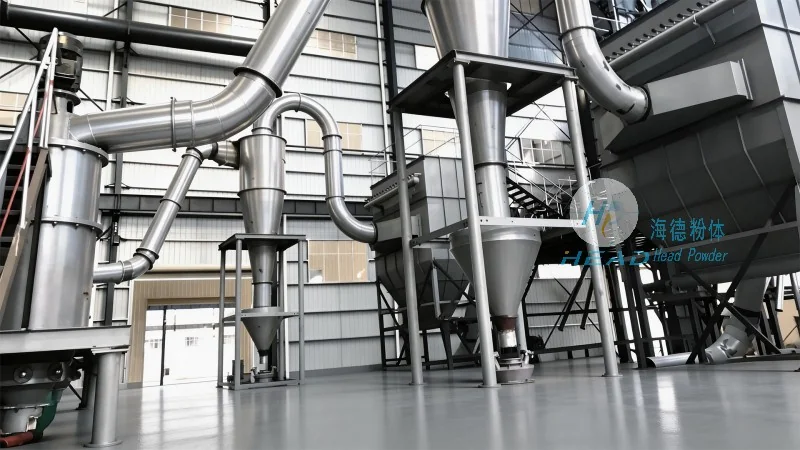
The material separation or collection equipment, such as cyclones or bag filters, is used to separate the graphite particles from the air stream and to collect the material for further processing. The selection of this equipment depends on the particle size distribution of the graphite and the required collection efficiency. Cyclones are commonly used for coarse particles, while bag filters are suitable for fine powders. The design of the separation system must ensure that the collected material is free from contamination and that the air is cleaned to meet environmental regulations.
Integration of Design and Equipment Selection for Optimal Performance
The success of a pneumatic conveying system for graphite electrodes depends on the integration of accurate design calculations with appropriate equipment selection. A well-designed system ensures that the material is conveyed efficiently with minimal energy consumption and equipment wear. The selection of high-quality components, such as wear-resistant pipes and efficient separation equipment, further enhances the system's reliability and longevity. HeadPowder, with its expertise in engineering and material handling, provides comprehensive support from initial design calculations to equipment selection and system installation, ensuring that clients achieve optimal performance and cost-effectiveness in their graphite electrode processing operations.