

[Epoxy Resin Pneumatic Conveying Design Calculation and Equipment Selection]
For industrial applications involving epoxy resin handling, the selection of appropriate pneumatic conveying systems is critical to ensure efficient, reliable, and cost-effective material transport. This article provides a comprehensive overview of the design calculation processes and equipment selection criteria for pneumatic conveying systems tailored to epoxy resin applications, presented by Shandong HeadPowder Engineering Co., Ltd., a leading provider in the field.
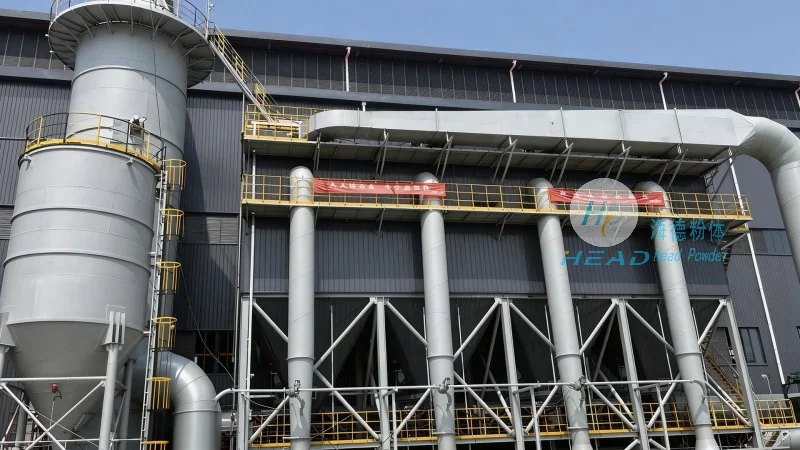
HeadPowder, as a professional engineering company based in Shandong, China, specializes in the design, manufacturing, and implementation of customized pneumatic conveying solutions. The company’s expertise lies in addressing the unique challenges associated with epoxy resin, such as its high viscosity, potential for agglomeration, and sensitivity to moisture, ensuring that the conveying system meets the specific operational requirements of clients.
When designing a pneumatic conveying system for epoxy resin, several key factors must be considered to optimize performance and longevity. The first step involves a thorough analysis of the material properties, including particle size distribution, bulk density, and flow characteristics. These parameters directly influence the selection of the conveying method—whether it be pressure or vacuum-based—and the appropriate air velocity and pressure levels required to maintain stable transport.
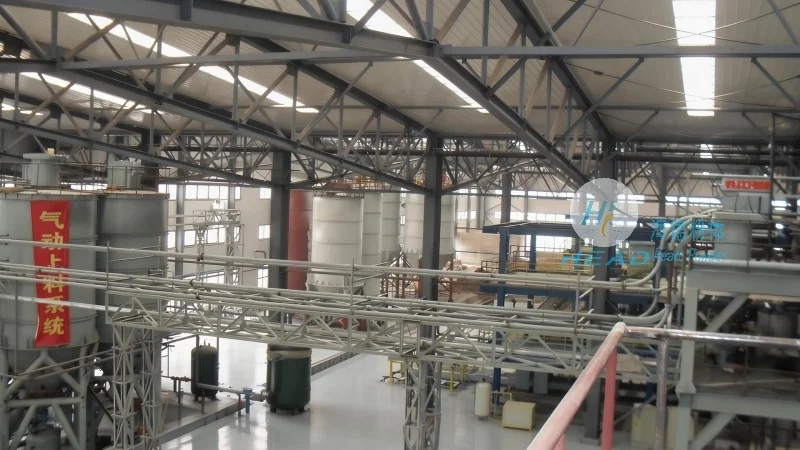
Design calculations for epoxy resin pneumatic conveying typically start with determining the required air flow rate and pressure. This involves calculating the material’s conveying velocity, which must be sufficient to overcome friction losses and maintain a consistent flow. The system’s pressure drop across components like pipelines, valves, and filters is another critical factor, as excessive pressure drop can lead to energy inefficiencies and equipment wear. HeadPowder employs advanced computational fluid dynamics (CFD) and empirical formulas to accurately model these parameters, ensuring that the design meets both performance and economic objectives.
Equipment selection for epoxy resin pneumatic conveying systems is guided by the system’s design specifications and operational conditions. Key components include the material feeders, which must handle the resin’s potential stickiness and ensure consistent feeding rates. For epoxy resin, screw feeders or rotary valves are commonly used to prevent blockages and maintain uniform material flow. The conveying pipelines are typically made of corrosion-resistant materials like stainless steel or PTFE-coated tubes to withstand the resin’s chemical properties and prevent degradation over time.
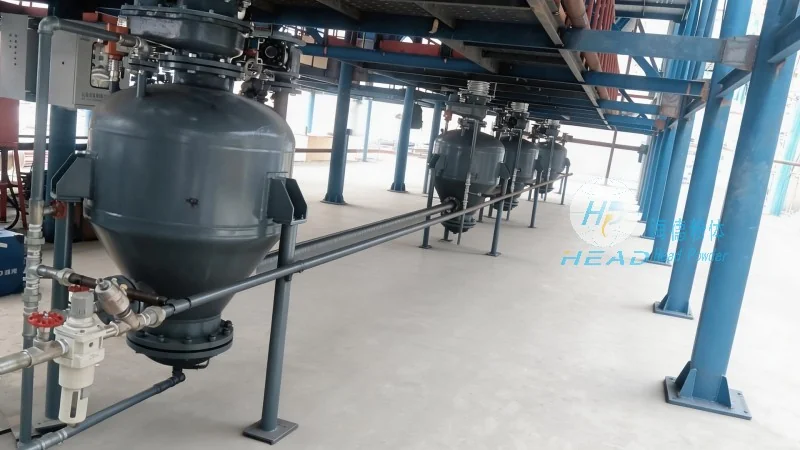
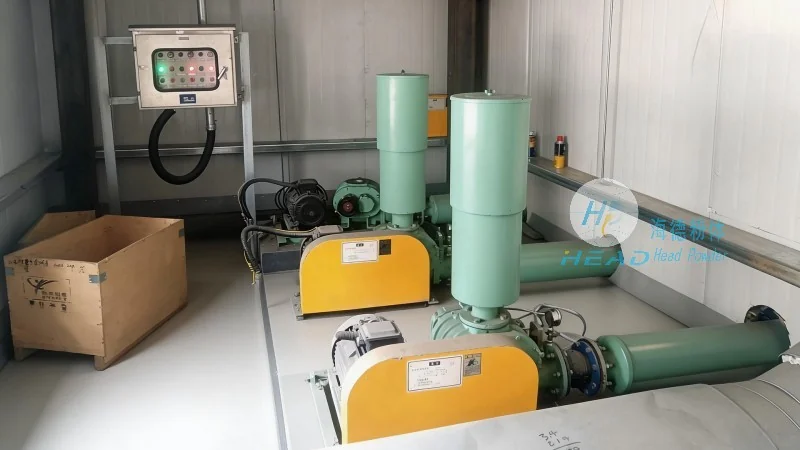
Air movers, such as blowers or compressors, are selected based on the required pressure and flow capacity. For pressure systems, positive displacement blowers are often preferred due to their ability to maintain high pressure at lower flow rates, which is essential for epoxy resin transport. The system also includes filtration and separation equipment to remove entrained particles and prevent clogging of downstream equipment. HeadPowder’s equipment selection process ensures that each component is matched to the specific needs of the epoxy resin application, minimizing downtime and maintenance costs.
Implementation and maintenance of the pneumatic conveying system are equally important for long-term reliability. Proper installation, including pipeline routing and support, is crucial to avoid sagging or stress on components. Regular maintenance, such as cleaning filters and inspecting seals, helps prevent performance degradation. HeadPowder offers comprehensive after-sales support, including system optimization services and spare parts supply, to ensure that clients can maximize the lifespan and efficiency of their conveying systems.
By adhering to these design principles and equipment selection guidelines, industrial facilities can achieve efficient and reliable transport of epoxy resin, reducing operational costs and improving overall productivity. The expertise of companies like Shandong HeadPowder Engineering Co., Ltd. plays a vital role in delivering tailored solutions that address the unique challenges of epoxy resin handling, ensuring that clients receive systems that are both effective and durable.