

[Pneumatic Conveying Technology for Sand and Soil: Principles, Applications, and Development Trends]
Efficient material handling is a critical aspect of modern industrial operations, particularly in sectors dealing with bulk materials like sand and soil. Pneumatic conveying technology has emerged as a sophisticated solution for transporting these materials with precision and reliability. This article explores the fundamental principles, diverse applications, and evolving trends in pneumatic conveying technology specifically tailored for sand and soil, while highlighting the expertise of Shandong HeadPowder Engineering Co., Ltd. as a leading provider in this field.
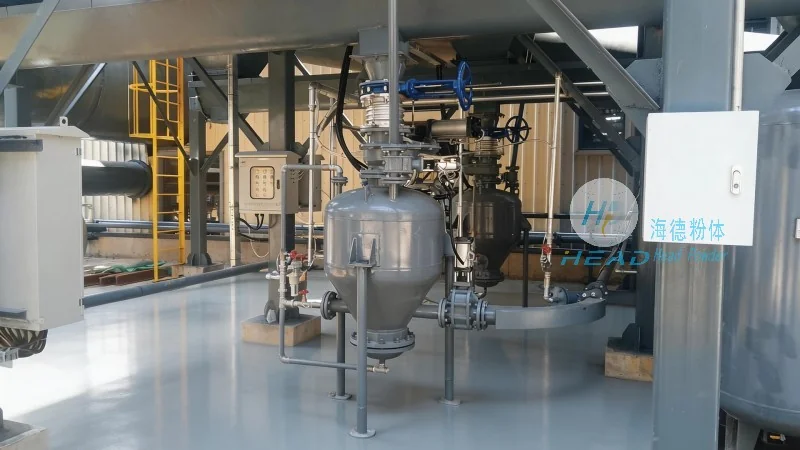
Principles of Pneumatic Conveying for Sand and Soil
Pneumatic conveying operates on the principle of using air or gas to transport solid materials through a pipeline system. In the context of sand and soil, this technology involves creating a flow of air that carries the particles, ensuring they move from the source to the destination without the need for mechanical components like belts or buckets. The core mechanisms include pressure or vacuum systems, where the air pressure either pushes or pulls the material through the pipeline. For sand and soil, which are often abrasive and can cause wear on equipment, specialized designs are employed to ensure durability and efficiency. The technology typically involves a combination of air flow control, particle size management, and system pressure optimization to achieve consistent and reliable transport. The choice between positive pressure, negative pressure, or a hybrid system depends on factors such as the distance, material characteristics, and operational requirements. For instance, positive pressure systems are commonly used for long-distance transport of sand and soil, as they can maintain a consistent flow and prevent material degradation. Negative pressure systems, on the other hand, are suitable for short-distance or indoor applications where dust control is a priority. The design of the conveying system, including the type of ductwork, air velocity, and particle velocity ratio, plays a crucial role in determining the efficiency and effectiveness of the process. Proper air velocity is essential to prevent particle deposition and ensure smooth transport, while the particle velocity ratio (the ratio of particle velocity to air velocity) must be optimized to avoid excessive wear on the system components.
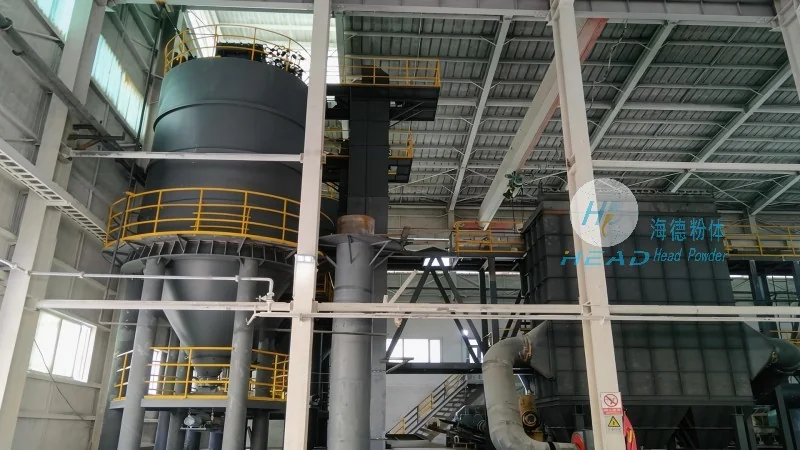
Applications of Pneumatic Conveying in Sand and Soil Handling
The versatility of pneumatic conveying technology makes it applicable across various industries that handle sand and soil. In construction, for example, it is used for transporting sand from stockpiles to mixing plants or concrete production sites. This method ensures a consistent supply of material, reducing downtime and improving productivity. In mining operations, pneumatic conveying is employed to transport soil and sand from excavation sites to processing facilities, where it may be used for reclamation or further processing. The technology is also utilized in the agricultural sector, where it helps in the efficient handling of soil samples for testing and analysis, or in the distribution of soil amendments. Additionally, in environmental remediation projects, pneumatic conveying systems are used to transport contaminated soil to treatment facilities, enabling safe and controlled disposal. The ability to handle abrasive materials like sand and soil without the need for frequent maintenance or replacement of components makes this technology particularly advantageous in these applications. Furthermore, the system's ability to operate in enclosed environments minimizes dust exposure, enhancing safety for workers and compliance with environmental regulations. The applications extend to industrial processes where sand and soil are used as raw materials, such as in the production of glass, ceramics, or cement. In these processes, the consistent supply of material via pneumatic conveying ensures quality control and reduces variability in the final product. The technology's adaptability to different material characteristics and operational conditions makes it a preferred choice for many industries dealing with bulk materials.
Development Trends in Pneumatic Conveying Technology for Sand and Soil
The field of pneumatic conveying technology for sand and soil is continuously evolving, driven by advancements in materials science, control systems, and operational efficiency. One of the key trends is the development of more durable and wear-resistant components, particularly in the ductwork and valve systems. As sand and soil are abrasive, traditional materials may wear out quickly, leading to increased maintenance costs and downtime. Modern solutions incorporate high-performance alloys and coatings that extend the lifespan of the equipment, reducing operational expenses. Another trend is the integration of advanced control systems, such as programmable logic controllers (PLCs) and sensors, to optimize the conveying process. These systems monitor parameters like air pressure, flow rate, and particle concentration in real-time, allowing for automatic adjustments to maintain optimal performance. This not only improves efficiency but also enhances safety by preventing overloading or system failures. The adoption of energy-efficient designs is also a significant trend, with manufacturers focusing on reducing power consumption while maintaining or improving conveying capacity. This is achieved through better air flow management, optimized system designs, and the use of high-efficiency motors and compressors. Additionally, the trend towards modular and customizable systems allows for easier installation and adaptation to specific project requirements. Companies like Shandong HeadPowder Engineering Co., Ltd. are at the forefront of these developments, offering tailored solutions that address the unique challenges of sand and soil handling. The integration of digital technologies, such as IoT (Internet of Things) and data analytics, is another emerging trend, enabling predictive maintenance and performance monitoring. By collecting and analyzing data from the conveying system, operators can anticipate potential issues and schedule maintenance proactively, reducing unexpected downtime and improving overall system reliability. The focus on sustainability is also driving advancements, with the development of systems that minimize energy consumption and environmental impact. This includes the use of renewable energy sources and the implementation of recycling processes for the air used in the conveying system. Overall, the future of pneumatic conveying technology for sand and soil is characterized by increased efficiency, durability, and adaptability, supported by continuous innovation and technological integration.
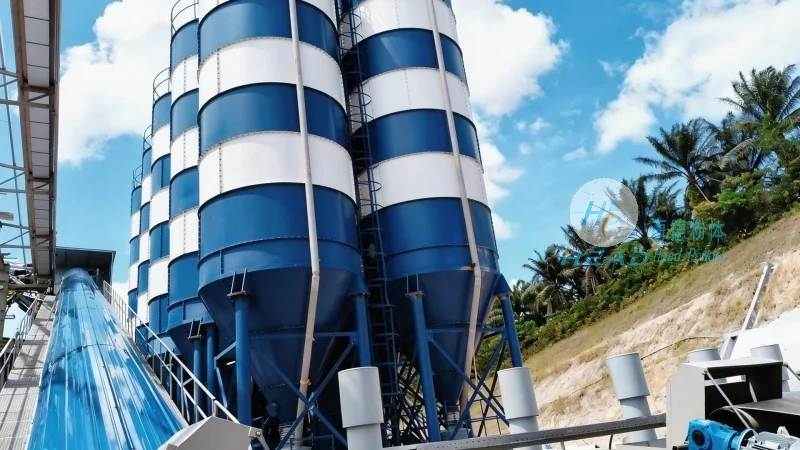
About Shandong HeadPowder Engineering Co., Ltd.
Shandong HeadPowder Engineering Co., Ltd., commonly known as HeadPowder, is a leading provider of pneumatic conveying solutions specializing in the handling of sand and soil. With a strong presence in China, particularly in Shandong province, the company has established itself as a trusted partner for industries requiring efficient and reliable material transport. HeadPowder's expertise lies in designing and manufacturing customized pneumatic conveying systems that meet the specific needs of clients, ensuring optimal performance and durability. The company's team of engineers and technicians brings extensive experience in material handling and industrial processes, enabling them to develop solutions that address the unique challenges of sand and soil transport. HeadPowder's commitment to quality and innovation is reflected in its use of advanced materials and technologies, as well as its focus on customer satisfaction and long-term partnerships. By leveraging its expertise and state-of-the-art equipment, HeadPowder helps clients improve operational efficiency, reduce costs, and enhance safety in their material handling processes. The company's dedication to research and development ensures that it stays at the forefront of the industry, offering cutting-edge solutions that meet the evolving demands of the market. Whether for construction, mining, or other industries, HeadPowder provides comprehensive support, from system design and installation to maintenance and troubleshooting. With a focus on durability, efficiency, and reliability, HeadPowder's pneumatic conveying systems are designed to deliver long-term value and performance for its clients.